The disco era wasn’t just about the music; it was a cultural revolution that swept through society in the 1970s. Emerging from a period of social and political unrest, people craved an escape, a chance to let loose and celebrate life. Disco provided that outlet, offering a vibrant world of danceable beats, dazzling costumes, and a sense of unity and acceptance unlike anything seen before.
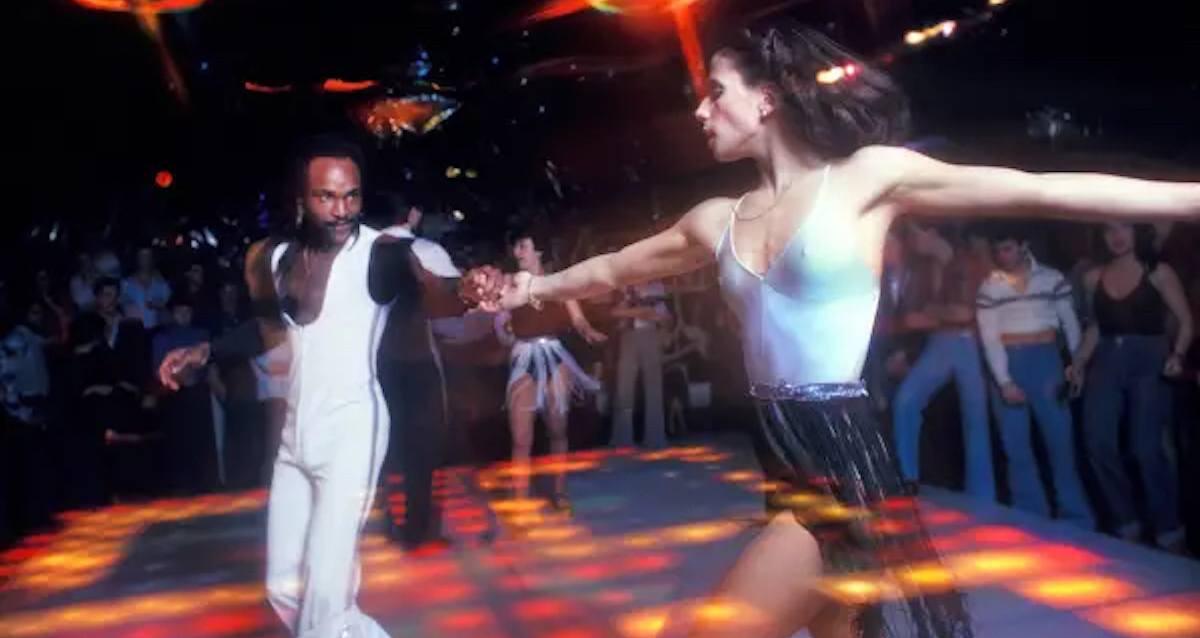
At its heart, disco was about freedom of expression and communal joy. Packed clubs pulsed with energy as people moved to the infectious rhythm, shedding inhibitions and embracing the moment. It wasn’t just about the music; it was about the feeling, the shared experience of letting go and celebrating together. Disco photos from the 70’s capture this spirit perfectly – vibrant colors, bold fashion choices, and genuine smiles reflecting pure joy and abandon.
The disco scene welcomed everyone, regardless of their background or beliefs. It fostered a sense of inclusivity that was revolutionary for its time. Black, gay, and Latino communities played a crucial role in shaping disco’s sound and culture, bringing their unique perspectives and artistry to the forefront.
Disco’s Cultural Roots
Before it took over the mainstream, disco thrived in underground clubs catering to marginalized communities. Black and Latino neighborhoods in New York City became hotbeds of this burgeoning sound, with DJs spinning soulful rhythms and funk-infused grooves that laid the foundation for what would become disco. These early clubs provided a safe space for expression, where people could dance freely and celebrate their identities without judgment.
A key element of disco’s cultural roots was its embrace of LGBTQ+ culture. Gay clubs in cities like New York and San Francisco were instrumental in fostering the sound and aesthetic that defined the era. Disco music offered a platform for self-expression and liberation, becoming an anthem for acceptance and defiance against societal norms. The flamboyant costumes, bold makeup, and carefree attitude reflected a radical shift in social attitudes, challenging traditional gender roles and celebrating individuality.
These early scenes, fueled by passion and creativity, eventually spilled out into the mainstream, transforming disco from a niche phenomenon into a global cultural force.
The Rise of Studio 54
Studio 54 wasn’t just a nightclub; it became a symbol of the disco era itself. Opened in 1977 by Steve Rubell and Ian Schrager, it quickly transformed New York City’s nightlife scene. The club embraced excess and glamour, offering a playground for celebrities, artists, and socialites to indulge in a world of uninhibited partying. The glitter balls spun, the music pulsed, and the energy was electric.
Studio 54 became famous for its star-studded guest list. Everyone from Andy Warhol to Liza Minnelli graced its dance floor, further solidifying disco’s place in popular culture. The club cultivated an atmosphere of exclusivity and intrigue, with legendary tales of wild parties and outrageous events becoming part of its lore. It was a place where anything seemed possible, where boundaries were blurred, and where the spirit of liberation reigned supreme.
The hedonistic scene at Studio 54 captured the essence of disco’s allure: a desire to escape reality, embrace individuality, and celebrate life in all its glorious excess. The club’s influence extended far beyond its walls, shaping fashion trends, inspiring music, and etching its place as a timeless emblem of the disco era.
 Michael Jacksons Childhood: Talent, Trauma, and a Musical Legacy
Glittering Fashion & Music Icons
Disco fashion was all about bold statements and dazzling extravagance. Think shimmering jumpsuits, platform shoes that reached new heights, and a kaleidoscope of colors that defied convention. Sequins, fringe, and metallic fabrics reigned supreme, creating a visual spectacle that mirrored the music’s infectious energy. The iconic afro hairstyles, chunky jewelry, and dramatic makeup completed the look, transforming everyday wear into dazzling expressions of individuality.
Music icons like Gloria Gaynor, Donna Summer, and the Bee Gees became synonymous with disco’s sound and aesthetic. Their catchy melodies and powerful vocals fueled dance floors worldwide, while their flamboyant stage presence and glamorous outfits solidified disco’s image as a celebration of self-expression and uninhibited joy. These artists weren’t just singers; they were style icons who embodied the spirit of the era, inspiring countless people to embrace their own unique flair.
From the pulsating rhythms to the vibrant visuals, disco fashion was a cultural phenomenon that captured the imagination of a generation. It wasn’t just about looking good; it was about expressing oneself freely and celebrating individuality within a larger community united by music and movement.
Decline and Lasting Influence
While disco’s reign was relatively short-lived, its influence on popular culture is undeniable. By the early 1980s, a confluence of factors led to its decline. The rise of new music genres like synth-pop and hip hop drew audiences away from dance floors, while the AIDS epidemic cast a shadow over the vibrant scene.
Despite its fading popularity, disco’s legacy endures. Its impact on contemporary music is evident in countless artists who incorporate its signature rhythms and grooves into their work. From pop stars to EDM DJs, the spirit of disco lives on, proving that its infectious energy and message of inclusivity continue to resonate with listeners worldwide.
Moreover, disco photos from the 70’s remain a captivating snapshot of a cultural moment that celebrated freedom, self-expression, and communal joy. They serve as a reminder of the power of music to unite people, transcend boundaries, and create lasting memories. Disco may have faded from mainstream consciousness, but its spirit continues to inspire and influence generations of artists and audiences alike.
A Legacy of Freedom and Expression
Disco’s legacy extends far beyond its music and fashion trends. It left an indelible mark on society, fostering a spirit of freedom, acceptance, and self-expression that continues to inspire us today. The movement challenged social norms, embraced diversity, and created a space where people could feel truly themselves, free from judgment and societal constraints.
That sense of liberation resonated with people from all walks of life, uniting them through music, dance, and a shared desire for joy and connection. Disco taught us the power of letting go, celebrating our individuality, and embracing the moment. It reminds us that it’s okay to be different, to express ourselves authentically, and to find community in shared experiences.
Looking back at disco photos from the 70’s, we see a vibrant tapestry of life, full of energy, passion, and a genuine love for music and each other. This spirit lives on, reminding us that the pursuit of joy, connection, and self-expression remains as relevant as ever. Disco may have faded from mainstream popularity, but its message of freedom and inclusivity continues to inspire generations to celebrate life and embrace their true selves.
More for curious minds
Unlock extra content and exclusive deals tailored to your interests.