The Cotton Club, a name synonymous with jazz and the roaring twenties, stands as both a beacon of musical brilliance and a stark reminder of America’s complex history with race. This legendary Harlem nightspot pulsed with the energy of some of the greatest musical talents of the era, captivating audiences with its dazzling performances. From Duke Ellington’s masterful orchestrations to Lena Horne’s captivating vocals, the Cotton Club became a stage where legends were made.
However, beneath the glitz and glamour, a harsh reality lurked. Madden, the club’s owner, implemented a strict whites-only policy, turning the very space that celebrated Black artistry into a symbol of segregation. The cotton club interior was adorned with stereotypical imagery of Southern plantations and jungles, reinforcing harmful racial stereotypes that were pervasive in American society at the time. This juxtaposition of incredible talent within a system built on racial division makes the Cotton Club’s story all the more complex and compelling.
The legacy of the Cotton Club continues to fascinate and provoke debate. While its doors are closed to the public for performances, it remains an important landmark in New York City, serving as a reminder of the power and artistry of jazz music while also acknowledging the painful realities of segregation in American history.
Jazz Icons and the Cotton Club Stage
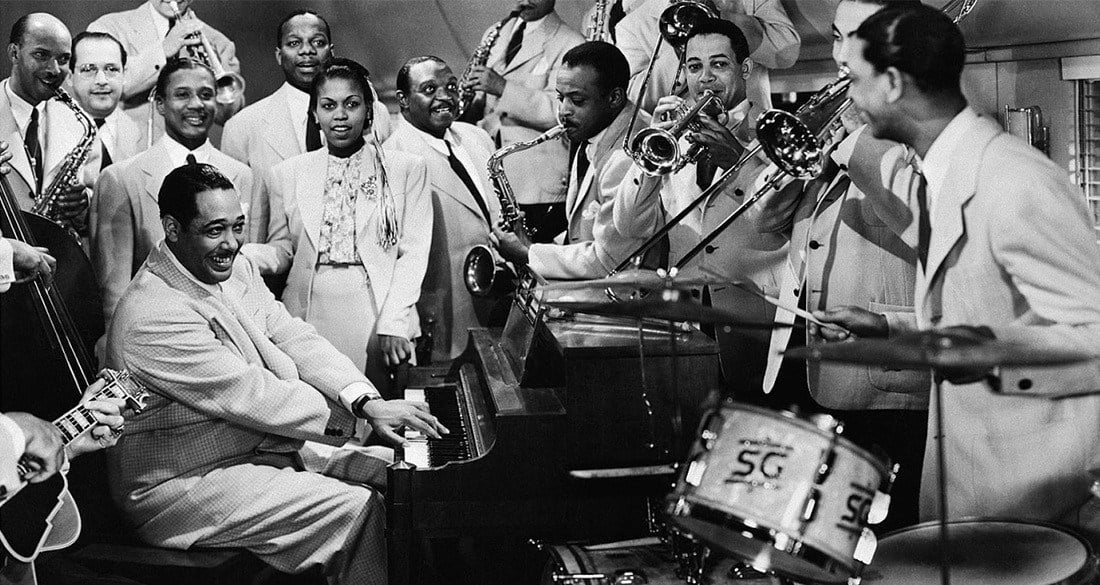
Stepping inside the Cotton Club during its heyday was like entering a world of pure musical magic. The stage became a launching pad for some of the most iconic jazz musicians of all time. Duke Ellington, a visionary composer and bandleader, led his orchestra from 1927 onwards, crafting unforgettable arrangements that defined the sound of the era. Imagine the smoky atmosphere, the bright lights illuminating the performers, and the infectious rhythms filling the air as Ellington’s music filled the cotton club interior.
But Ellington wasn’t alone in captivating audiences. Legends like Lena Horne, known for her sultry vocals and impeccable stage presence, graced the Cotton Club stage, electrifying crowds with her powerful performances. Cab Calloway, the charismatic crooner and bandleader, brought his infectious energy and signature scatting style to the club, making it a destination for those seeking pure entertainment. Adelaide Hall, Bill “Bojangles” Robinson, Ethel Waters, and Louis Armstrong all contributed to the Cotton Club’s rich musical tapestry, leaving an indelible mark on its legacy.
Each of these artists brought their unique talents and personalities to the stage, creating unforgettable moments that cemented the Cotton Club’s status as a vital part of American musical history. Their performances transcended racial barriers, offering audiences a glimpse into the power and artistry of jazz music during a transformative period in American culture.
Segregation and Racial Stereotypes
While the Cotton Club was a platform for showcasing extraordinary Black talent, it existed within a deeply segregated society. The club’s owner, George Madden, implemented a strict whites-only policy, enforcing racial segregation in a space meant to celebrate artistic brilliance. This hypocrisy created a stark contrast: inside a venue celebrating Black artistry, Black patrons were barred from experiencing the very performances that showcased their talents.
To further reinforce these harmful stereotypes, the cotton club interior was decorated with imagery of Southern plantations and jungles, perpetuating racist caricatures and reducing Black culture to simplistic and demeaning tropes. This blatant display of prejudice served as a constant reminder of the societal constraints faced by Black Americans during this period. Even though Black artists found success within its walls, the Cotton Club’s policies underscored the deeply ingrained racism that permeated American life in the 1920s and 30s.
The club’s legacy is therefore a complex one, highlighting both the incredible talent it showcased and the harmful racial stereotypes it simultaneously reinforced. This duality serves as a reminder of the need to critically examine historical narratives, acknowledging both the triumphs and the injustices that shaped our past.
 Disco Photos from the 70s: A Look at Glitter & Glamour
The Allure and Controversy of Harlem’s Hotspot
Despite the controversy surrounding its racial policies, the Cotton Club became a sensation, drawing crowds from all walks of life eager to experience the electrifying performances within its walls. It was a place where glamour and excitement mingled with the thrill of seeing legendary performers in action. The club’s success can be attributed not only to its talented artists but also to its strategic location in Harlem, the heart of Black cultural expression during this period.
The Cotton Club’s allure stretched beyond its musical offerings. It represented a time of social change and cultural awakening, where jazz became synonymous with sophistication and rebellion against societal norms. The club’s patrons, while largely segregated along racial lines, were united by their appreciation for the power of music and performance. It was a space where boundaries blurred, and audiences could lose themselves in the infectious rhythms and captivating stories told through song and dance.
Yet, beneath the surface of this glamorous facade lay a darker reality. The Cotton Club’s popularity couldn’t mask the inherent contradiction at its core – it celebrated Black artistry while simultaneously reinforcing racial division. This tension between allure and controversy remains a defining characteristic of the Cotton Club’s legacy, reminding us that even in moments of cultural triumph, systemic issues can cast a long shadow.
Performances, Politics, and Legacy
The Cotton Club’s performances were more than just entertainment; they reflected the social and political climate of the time. Artists used their platform to express their experiences, both joyful and sorrowful, often subtly weaving in messages of resilience and resistance against racial injustice. While their music provided a sense of unity and shared experience, it also served as a powerful tool for raising awareness about the inequalities prevalent in American society.
Beyond its musical impact, the Cotton Club became entangled in political controversies surrounding segregation and race relations. Public outcry over its discriminatory policies eventually led to boycotts and demonstrations, challenging the club’s legitimacy and forcing a reckoning with its role in perpetuating racial division. The Harlem riots of 1935, fueled by ongoing racial tensions and economic disparities, ultimately contributed to the Cotton Club’s relocation out of Harlem, marking a significant turning point in its history.
Though the original Cotton Club closed in 1940, its legacy continues to resonate today. The club’s impact on jazz music is undeniable, with many of its former performers achieving lasting fame and recognition. The cotton club inside remains a symbol of both artistic brilliance and the complex realities of race and prejudice during a pivotal era in American history. Its story serves as a reminder to critically examine cultural narratives, acknowledging both the triumphs and the imperfections that shape our understanding of the past.
A Lasting Impact on American Culture
The Cotton Club’s influence extended far beyond its stage and into the wider tapestry of American culture. Its association with jazz music contributed to the genre’s global popularity, captivating audiences worldwide with its infectious rhythms and improvisational spirit. The club helped solidify jazz as a defining sound of the 20th century, influencing countless musicians who followed in the footsteps of its legendary performers.
Furthermore, the Cotton Club’s story became intertwined with broader discussions about race, segregation, and the American dream. Its existence both celebrated and reinforced racial inequalities, sparking debate and challenging societal norms. Though controversial, the club’s legacy continues to provoke thought and analysis, prompting us to confront the complexities of our past and strive for a more equitable future.
Today, remnants of the Cotton Club can still be found in museums and historical archives, serving as reminders of a pivotal era in American history. Its story serves as a powerful testament to the enduring power of music, the resilience of the human spirit, and the ongoing struggle for racial justice. The cotton club remains a symbol of both the triumphs and the challenges inherent in the pursuit of equality and artistic expression.