The tragic end of Christopher Rios, better known as Big Pun, marked a significant moment in the history of hip-hop. As a prominent figure in the late 1990s, his contributions to rap music were profound, yet his life was cut short due to health complications exacerbated by his struggles with obesity and substance abuse.
In this article, we delve into the details surrounding his untimely death in 2000. Through our exploration of the “Big Pun Autopsy: Examining the Rappers Tragic End,” we aim to shed light on the factors that led to his demise and the impact his legacy continues to have on the music industry today.
Big Pun’s Life: A Deep Dive into His Influential Career
Big Pun, born Christopher Rios, emerged from the Bronx to become one of the most influential voices in hip-hop during the late 1990s. With his unique flow and lyrical prowess, he not only captivated audiences but also paved the way for future Latino rappers in the industry. His debut album, Capital Punishment, released in 1998, showcased his talent and solidified his status as a groundbreaking artist, becoming the first Latino rapper to achieve platinum status.
Throughout his career, Big Pun was known for his ability to blend intricate wordplay with powerful narratives. His collaborations with artists like Fat Joe and Jay-Z further demonstrated his versatility and appeal across different styles. Some of his most memorable tracks include:
- “Still Not a Player”
- “Twinz (Deep Cover ’98)”
- “It’s So Hard”
Big Pun’s impact extended beyond his music; he was a cultural icon who embraced his Hispanic roots while promoting diversity within the genre. His legacy continues to inspire artists today, as they look to emulate his unique blend of charisma and technical skill. The respect he garnered is evident in the way he influenced a generation of rappers, making him a vital figure in the evolution of hip-hop culture.
Despite his success, Big Pun faced numerous personal challenges, including battles with obesity and substance abuse, which ultimately took a toll on his health. His life serves as a reminder of the struggles many artists face behind their public personas. The following table highlights key milestones in his career:
| Year | Milestone |
|---|---|
| 1998 | Release of Capital Punishment |
| 1999 | Grammy nomination for Best Rap Album |
| 2000 | Untimely death |
The Tragic Circumstances Surrounding Big Pun’s Death
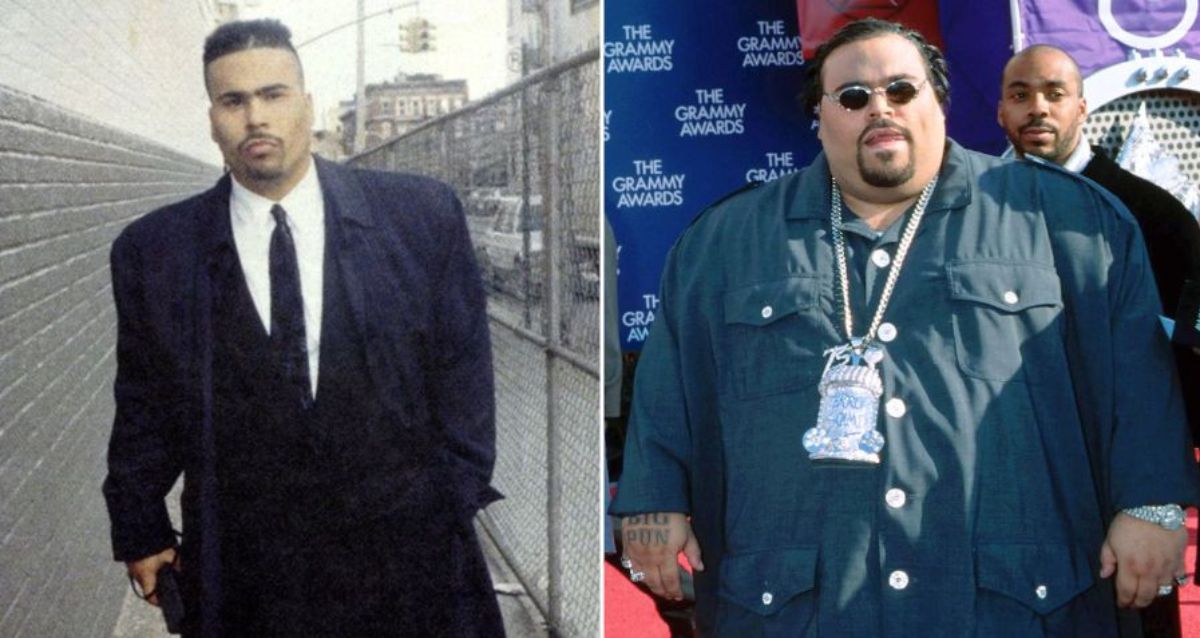
The circumstances surrounding Big Pun’s death were deeply tragic and reflective of the challenges he faced throughout his life. He died on February 7, 2000, at the young age of 28, primarily due to complications related to his obesity. At the time of his death, he weighed over 700 pounds, which contributed to various health issues, including respiratory failure and heart problems.
In addition to his weight, Big Pun struggled with substance abuse, which further complicated his health. He had openly discussed his battles with addiction, which often led to a cyclical pattern of recovery and relapse. This battle was not just a personal struggle; it was emblematic of the pressures faced by many artists in the music industry.
Moreover, Big Pun’s lifestyle choices and the stress of fame played significant roles in his decline. The following factors detail the tragic circumstances leading to his untimely passing:
- Obesity: His weight significantly impacted his overall health.
- Substance Abuse: Struggles with drugs and alcohol contributed to his deteriorating condition.
- Lack of Support: Despite his fame, he may have lacked the necessary support systems to address his health issues effectively.
Big Pun’s death not only marked the loss of a talented artist but also raised awareness about the importance of mental health and wellness in the music industry. His legacy continues to remind us of the fragility of life and the complexities behind the glamorous façade of celebrity culture.
Understanding Big Pun’s Legacy: Impact on Hip-Hop Culture
Big Pun’s legacy transcends his musical contributions, as he played a pivotal role in reshaping the perception of Latino artists within hip-hop culture. His groundbreaking success opened doors for many aspiring rappers, proving that talent knows no racial or ethnic boundaries. Today, his influence is seen through:
- Increased Representation: More Latino artists gaining recognition in the industry.
- Cultural Fusion: A blending of Latino and mainstream hip-hop styles.
- Inspirational Narratives: Artists sharing their cultural experiences, inspired by Pun’s work.
Another significant aspect of Big Pun’s impact is his unique lyrical style, which combined intricate rhyme schemes with personal storytelling. This innovation not only set a standard for future generations of rappers but also enriched the genre with deeper emotional resonance. His ability to convey complex themes through relatable narratives continues to inspire artists who seek to challenge the conventions of hip-hop.
Moreover, Big Pun’s collaborations with mainstream artists helped to bridge gaps between diverse musical communities. By working with prominent figures like Fat Joe and Jay-Z, he demonstrated that authenticity and talent could resonate across different audiences. The lasting friendships and partnerships he fostered in his career speak volumes about his influence on hip-hop culture.
Ultimately, Big Pun’s legacy serves as a reminder of the importance of authenticity and representation in the music industry. His story underscores the need for continued dialogue about health and wellness for artists, ensuring that future generations can thrive both personally and professionally. The following table summarizes key aspects of his influence:
| Aspect | Impact |
|---|---|
| Representation | Inspired a new wave of Latino artists in hip-hop. |
| Lyrical Innovation | Set a standard for complex storytelling in rap. |
| Collaborative Spirit | Bridged gaps between diverse musical communities. |
The Autopsy Report: Revealing Facts About Big Pun’s Demise
The autopsy report of Big Pun revealed several critical factors contributing to his tragic demise, providing insight into the health challenges that plagued him throughout his life. According to the findings, the primary cause of death was acute respiratory failure, exacerbated by his severe obesity. At the time of his passing, he was reported to weigh over 700 pounds, which severely compromised his overall health and exerted undue stress on his body.
Further examination also highlighted the impact of substance abuse on Big Pun’s health. The report indicated that he had a history of addiction issues, which may have hindered his ability to seek proper medical care and maintain a healthier lifestyle. This spiral of addiction often left him vulnerable, as he struggled to balance his fame with personal challenges, ultimately leading to a decline that few could have anticipated.
Additionally, the autopsy revealed signs of heart disease, a condition that is often linked to obesity and poor lifestyle choices. The combination of these health complications paints a stark picture of the pressures faced by many artists in the industry. The key factors identified in the report include:
- Obesity: Directly linked to respiratory failure and heart complications.
- Substance Abuse: Contributed to overall deterioration of health.
- Chronic Stress: A byproduct of fame that may have exacerbated existing health issues.
Big Pun’s autopsy report serves as a sobering reminder of the toll that lifestyle choices and mental health can take on individuals, particularly in the high-pressure world of entertainment. His story highlights the importance of addressing these issues within the hip-hop community, fostering a greater understanding of the need for support and resources for artists facing similar struggles.
Mental Health Struggles: Big Pun’s Battle Behind the Fame
Behind the fame and success, Big Pun grappled with profound mental health struggles that were often overshadowed by his public persona. His battle with obesity was not merely a physical issue but intertwined with deeper emotional challenges, including anxiety and depression. These mental health issues were exacerbated by the pressures of celebrity life, which made it difficult for him to seek help, leading to a cycle of isolation and despair.
Moreover, Big Pun’s struggles were compounded by his substance abuse issues. He often turned to drugs and alcohol as coping mechanisms, which provided temporary relief but ultimately worsened his health conditions. This pattern of addiction is common among artists, highlighting the urgent need for mental health support within the music industry. The lack of adequate resources and stigma surrounding mental health can create barriers that prevent artists from receiving the help they need.
The following factors illustrate the complexities of Big Pun’s mental health struggles:
- Isolation: Fame can create a disconnect from genuine support systems.
- Addiction: Substance abuse often serves as a misguided attempt to cope with emotional pain.
- Lack of Awareness: Insufficient understanding of mental health issues within the industry can hinder recovery.
Ultimately, Big Pun’s legacy is a poignant reminder of the silent battles many artists face. His story emphasizes the critical importance of addressing mental health openly and compassionately, fostering an environment where individuals can seek help without fear of judgment. This ongoing dialogue is essential to ensure that no artist has to endure their struggles alone.
Remembering Big Pun: A Tribute to His Musical Contributions
Remembering Big Pun is not just about reflecting on his life; it’s about celebrating the remarkable musical contributions that defined his career. His debut album, Capital Punishment, marked a seismic shift in hip-hop, illustrating the power of storytelling through rap. Pun’s ability to weave complex narratives into his lyrics resonated deeply with fans, making him a pivotal figure in the genre.
His collaborations with numerous artists, including Fat Joe and Lil’ Kim, showcased his versatility and willingness to bridge different styles. The impact of his work is palpable today, as many contemporary artists cite him as an inspiration. Notable contributions include:
- “Still Not a Player” – A classic track that blended smooth flows with catchy hooks.
- “Twinz (Deep Cover ’98)” – A collaboration that highlighted his lyrical prowess alongside fellow artists.
- “It’s So Hard” – A powerful anthem reflecting his struggles and triumphs.
Beyond his music, Big Pun’s legacy lies in his role as a cultural ambassador for Latino artists in hip-hop. He shattered stereotypes and opened doors for future generations, proving that talent knows no ethnic boundaries. His influence has led to:
- Greater Visibility: An increase in Latino representation in the hip-hop scene.
- Innovative Sound: A blending of cultural elements that enriched the genre.
- Community Inspiration: Artists sharing their own stories, inspired by Pun’s journey.
Ultimately, remembering Big Pun means acknowledging the lasting impact of his artistry and the way he reshaped hip-hop culture. His contributions continue to inspire new artists, ensuring that his spirit and message endure in the fabric of music history.