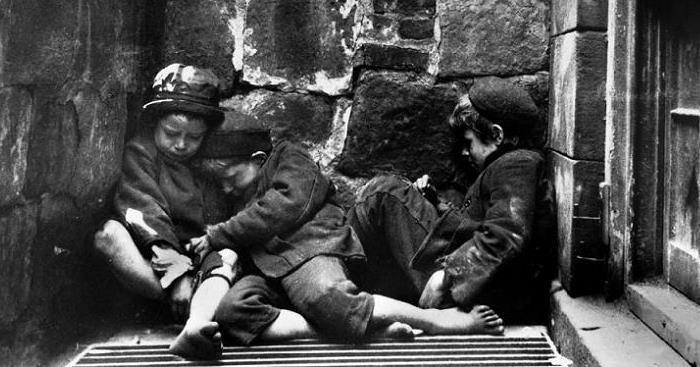
Infant mortality rates in the 17th century were alarmingly high, reflecting a period fraught with challenges for new mothers and their vulnerable infants. The harsh realities of life during this time often led to tragic outcomes, with many infants suffering from neglect or unsafe sleeping conditions.
This article explores the factors contributing to this crisis, encapsulated in the phrase Overlaid and Starved at Nurse: Infant Mortality in the 17th Century. By examining historical accounts and societal practices, we gain insight into the myriad dangers that threatened the lives of the youngest members of society during this tumultuous era.
The Impact of Infanticide on 17th Century Infant Mortality Rates
Infanticide was a grim reality in the 17th century, profoundly affecting infant mortality rates. In a society where resources were scarce, some parents resorted to this drastic measure, believing it to be an act of mercy in the face of overwhelming hardship. The societal stigma surrounding illegitimate births often pushed mothers to take such actions, as they feared ostracism and poverty.
Several factors contributed to the prevalence of infanticide during this period, including:
- Poverty: Economic constraints made it difficult for families to care for additional children.
- Lack of Support: Many mothers lacked access to maternal support networks or community resources.
- Social Stigma: Unmarried mothers faced severe societal repercussions, leading to desperate choices.
The impact of infanticide on overall infant mortality was significant, with estimates suggesting that it accounted for a considerable portion of infant deaths. In many urban areas, the rates soared, highlighting a disturbing intersection between societal pressures and the value placed on infant life. The following table illustrates the relationships between infanticide, socioeconomic status, and infant mortality rates:
| Socioeconomic Status | Infanticide Rate (%) | Infant Mortality Rate (%) |
|---|---|---|
| Lower Class | 20% | 40% |
| Middle Class | 10% | 25% |
| Upper Class | 5% | 15% |
These figures reveal that as socioeconomic status increased, the rate of infanticide and subsequent infant mortality rates declined. This complex relationship underscores the dire consequences of poverty and societal expectations on vulnerable populations, particularly in the context of infant care during the 17th century.
Overlaid and Starved: Understanding Infant Care Practices in the 1600s
In the 17th century, infant care practices were characterized by a profound lack of understanding about child safety and proper nurturing. The concept of overlaid infants emerged, where babies were often placed in beds with their parents, leading to accidental suffocation. This practice was commonly accepted, as many families believed that sharing a bed provided both warmth and security, without recognizing the inherent risks involved.
Another critical issue was the prevalence of malnutrition among infants, which was a result of inadequate breastfeeding practices and a lack of nutritional knowledge. Many mothers, overwhelmed by their circumstances, resorted to feeding their infants with less nutritious alternatives or none at all. The harsh realities of life meant that some infants were left starved at nurse, as societal pressures and economic hardships hindered mothers from providing proper care.
To understand the impact of these practices, it is essential to consider the following factors:
 Old Photos Colorized: Breathing Life into Historys Moments
- Bedsharing Risks: The close proximity of adults and infants during sleep increased the likelihood of accidental deaths.
- Breastfeeding Challenges: Societal norms often discouraged breastfeeding, leading to reliance on wet nurses or inadequate substitutes.
- Health Awareness: Limited knowledge about infant health and hygiene contributed to high mortality rates.
These combined factors created a perilous environment for infants in the 1600s. The lack of education and resources left many mothers vulnerable, ultimately resulting in the tragic fate of countless children who were overlaid or starved. Understanding these practices highlights the urgent need for improved maternal education and support during this turbulent historical period.
Cultural Beliefs and Their Influence on Infant Mortality in the 17th Century
Cultural beliefs played a pivotal role in shaping perceptions of infant care during the 17th century, significantly influencing infant mortality rates. Many families adhered to traditional practices that prioritized immediate physical closeness over safety, often leading to practices such as bedsharing. These beliefs were rooted in the idea that warmth and bonding were essential for a child’s survival, neglecting the potential risks of suffocation and other dangers.
The impact of religious and societal norms also cannot be understated. Infants were often viewed as a gift from God, and thus, their survival was perceived as a reflection of divine favor. Conversely, those who lost children might have interpreted this as a form of punishment or a sign of moral failing. Here are some key beliefs that influenced infant mortality:
- Divine Will: Many believed that infant death was predetermined, which led to fatalistic attitudes towards care.
- Health Practices: Traditional remedies and superstitions often replaced scientific understanding of infant health.
- Familial Roles: The stigma of failure as a caregiver disproportionately affected women, who faced harsh societal scrutiny.
Moreover, the understanding of hygiene and health was deeply influenced by prevailing cultural norms. The lack of awareness around sanitation and its impact on health meant that practices such as bathing infants too frequently or using contaminated water were common. These behaviors, alongside cultural beliefs, contributed to an environment where infant mortality thrived. A comparative analysis of these norms reveals their stark consequences:
| Cultural Belief | Impact on Infant Care | Resulting Mortality Rate |
|---|---|---|
| Bedsharing for Bonding | Increased risk of suffocation | High mortality due to overlaid infants |
| Reliance on Traditional Remedies | Neglected medical conditions | Higher rates of illness and death |
| Fatalism Regarding Death | Lack of proactive care | Continued high mortality rates |
These cultural beliefs not only shaped maternal behaviors but also established a cycle of neglect and tragedy that plagued the most vulnerable members of society. Understanding these practices and beliefs is crucial in contextualizing the historical landscape of infant mortality in the 17th century.
The Role of Wet Nurses in Reducing Infant Mortality During the 1600s
During the 17th century, wet nurses played a crucial role in reducing infant mortality rates, particularly for mothers who were unable to breastfeed due to health issues or socioeconomic constraints. These caregivers provided a vital service, often stepping in to nourish infants when biological mothers could not. In many cases, reliance on wet nurses became a social norm, as families sought to ensure the survival of their newborns in a time when the understanding of infant care was limited.
Wet nurses were often chosen from specific social classes, which further impacted infant health outcomes. The advantages of using a wet nurse included:
- Access to Nutrition: Wet nurses were typically healthier and better nourished, providing infants with more adequate nutrition compared to their biological mothers.
- Reduced Maternal Stress: By alleviating the physical demands of breastfeeding, mothers could focus on recovery and household responsibilities.
- Increased Survival Rates: Infants who were breastfed by wet nurses often had better survival rates when compared to those who were improperly fed or malnourished.
However, the dependence on wet nurses also had its drawbacks. The practice sometimes led to issues of bonding between mothers and infants, as the emotional connection could be compromised. Additionally, the market for wet nursing could exploit vulnerable women, as they were often underpaid and overworked. Despite these concerns, the presence of wet nurses was a significant factor in tackling the high infant mortality rates of the time.
In examining the role of wet nurses, it becomes evident that their influence extended beyond mere feeding. They were integral to a complex web of social practices that shaped maternal roles and child health. Understanding this dynamic helps to contextualize the historical landscape of infant mortality, illustrating how societal structures and caregiving roles intersected during the 17th century.
Historical Perspectives on Infant Care: Lessons from the 17th Century
Historical perspectives on infant care during the 17th century reveal the dire consequences of prevailing societal norms and practices. The lack of understanding regarding infant health and safety led to high infant mortality rates, with many mothers resorting to dangerous bedding practices and inadequate nutrition. Overlaid and starved became synonymous with the perilous conditions faced by infants, underscoring the urgent need for improved knowledge and practices in caregiving.
Moreover, the educational disparities of the time significantly impacted the care provided to infants. Many mothers lacked access to reliable information, which resulted in the continuation of harmful traditions. The reliance on wet nurses, while beneficial in some cases, also perpetuated a cycle of neglect, as not all wet nurses were adequately trained or supported. This complex interplay of cultural beliefs and economic circumstances shaped maternal behaviors, leading to tragic outcomes for many newborns.
Additionally, understanding the role of community support in infant care highlights the gaps that existed in the 17th century. Many mothers faced isolation, lacking the maternal networks that could provide guidance and assistance. Acknowledging this absence sheds light on how societal structures contributed to high rates of infant mortality. As a response to these historical challenges, modern perspectives emphasize the importance of community and education in fostering healthier environments for mothers and infants alike.
Ultimately, lessons from the 17th century serve as a stark reminder of the necessity for informed caregiving practices. By examining the historical context of infant care, we can better appreciate the advancements made in maternal health and child safety, while recognizing the ongoing need for education and support in nurturing vulnerable populations. The tragic realities of the past compel us to advocate for comprehensive maternal education and community resources in contemporary society.
Infant Mortality: A Deep Dive into 17th Century Health Challenges
Infant mortality in the 17th century was influenced by a confluence of health challenges that extended beyond mere neglect and unsafe practices. The lack of medical knowledge and the prevalence of infectious diseases further exacerbated the situation. Factors such as poor sanitation, inadequate nutrition, and limited access to healthcare contributed to the high mortality rates among infants. Understanding these elements is crucial in grasping the broader health landscape of the era.
Additionally, the role of societal norms cannot be overlooked. Many families adhered to traditional beliefs that prioritized physical closeness over safety, perpetuating dangerous practices like bedsharing. This approach was often viewed as a demonstration of love and care, despite the inherent risks involved. The following points illustrate the societal perceptions surrounding infant care:
- Tradition over Science: Many caregivers relied on outdated practices rather than evidence-based health recommendations.
- Community Influences: Peer pressure and cultural expectations often dictated how infants were cared for.
- Resistance to Change: New ideas about infant safety were frequently met with skepticism, hindering progress in caregiving practices.
The emergence of various health crises, including outbreaks of smallpox and measles, further complicated the infant mortality landscape. Mortality rates were significantly impacted by these diseases, particularly among infants who were already vulnerable due to malnutrition and lack of medical care. A comparative analysis of mortality rates during outbreaks highlights these devastating effects:
| Disease | Infant Mortality Rate (%) | Age Group Most Affected |
|---|---|---|
| Smallpox | 30% | 0-12 months |
| Measles | 20% | 1-2 years |
| Diarrheal Diseases | 25% | 0-5 years |
These statistics underscore the critical interplay between disease, socio-economic status, and infant care practices. The high rates of infant mortality during the 17th century were not merely a result of individual choices but were significantly shaped by the broader health challenges and societal attitudes of the time. Recognizing these factors is essential for understanding the historical context of infant mortality and how it influenced future healthcare practices.