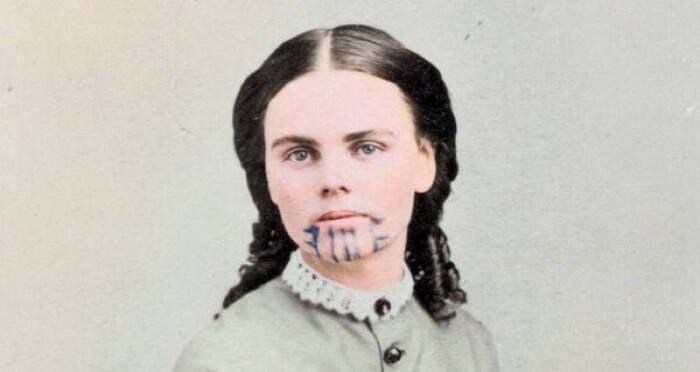
Step back in time with us and explore the captivating world of old photos colorized. Imagine gazing upon a sepia-toned portrait of your great-grandmother, suddenly brought to life with vibrant hues – her rosy cheeks, emerald green dress, the rich brown of her hair. This is the magic that colorization brings to our understanding of history, transforming faded memories into tangible experiences.
It’s a journey that began long before digital tools, with artists painstakingly hand-tinting black-and-white photographs, adding splashes of color to capture the essence of a bygone era. Today, advancements in technology have revolutionized this art form, allowing us to breathe life into old photos with astonishing accuracy and detail.
From recreating the bustle of Victorian streets to capturing the somber faces of World War II soldiers, colorization acts as a bridge between past and present, inviting us to connect with history on an emotional level like never before.
From Hand-Tinting to Digital Colorization
Before the digital revolution, colorizing photographs was a painstakingly slow process, requiring a steady hand and an artist’s eye for detail. Skilled artisans would meticulously paint each hue onto individual prints, using shades of pigments to recreate the vibrancy of a bygone era. It was a labor of love, demanding both patience and artistic talent. Imagine, a single old colorized photos could take weeks to complete!
The advent of digital technology brought about a seismic shift in this art form. Software programs now analyze grayscale images, using algorithms to identify patterns and textures, then apply realistic color palettes based on historical data and user input. This allows for quicker colorization, often within minutes, while still maintaining a high level of accuracy.
While digital tools have certainly streamlined the process, some artists argue that the hand-tinting technique possesses a unique charm, reflecting the human touch and individual interpretation that goes into each piece. The debate continues, but one thing is clear: both methods share the common goal of bringing history to life in a more vibrant and engaging way.
The Art of Historical Colorization
Historical colorization is more than just slapping some hues onto a black-and-white image; it’s a meticulous art form that demands both technical skill and historical knowledge. Colorists like Matt Loughrey, Jordan Lloyd, and Dana Keller meticulously research the era depicted in the photograph, poring over period clothing, architecture, landscapes, and even documented color palettes.
They consider factors like lighting conditions, seasonal variations, and cultural influences to ensure that the chosen colors accurately reflect the time and place captured in the image. It’s a delicate balancing act between recreating historical accuracy and artistic interpretation, ensuring that the final result feels both authentic and captivating.
Think of it like painting a portrait: the artist needs not only technical mastery but also an understanding of the subject’s personality and emotions to truly bring them to life. Similarly, historical colorization requires deep empathy for the past, allowing us to peer through time and connect with historical moments on a more profound level.
 When Was the Colossus of Rhodes Destroyed? Its Legacy Endures
Masters of Color: Matt Loughrey, Jordan Lloyd, Dana Keller
Several individuals have risen to prominence in the world of historical colorization, transforming snapshots from the past into vibrant scenes that captivate audiences worldwide. Matt Loughrey, known for his meticulous attention to detail and realistic portrayals, has breathed life into countless iconic images from different eras. His work often features poignant moments captured on film, allowing us to glimpse the emotions and everyday life of people long gone.
Jordan Lloyd, another master of colorization, utilizes a unique blend of artistic intuition and technical prowess. He focuses on capturing the essence of a scene, using color not just as a faithful representation but also as a tool to evoke a particular mood or atmosphere. His creations often transport viewers to forgotten worlds, immersing them in historical settings with breathtaking realism.
Dana Keller, renowned for her ability to capture the delicate nuances of light and shadow, excels at bringing portraiture to life through colorization. She painstakingly recreates the textures of fabrics, the subtle variations in skin tones, and the sparkle in a subject’s eyes, imbuing each portrait with a sense of warmth and humanity.
Challenges and Ethical Considerations in Colorizing Photographs
Colorizing historical photographs presents unique challenges that go beyond simply choosing the right hues. One major hurdle is accurately depicting colors from a bygone era. Imagine trying to recreate the shade of a Victorian rose or the texture of an ancient Egyptian tapestry! Limited color palettes and varying artistic interpretations make it difficult to pinpoint precise shades.
Furthermore, ethical considerations come into play when manipulating historical imagery. Who has the right to colorize a photograph? Can we alter history, even subtly, without compromising its authenticity? Debates rage on about the potential for bias and misrepresentation in colorized photos from the 1800s, highlighting the need for transparency and responsible practices within this art form.
Ultimately, the goal should be to enhance our understanding of history while respecting its complexities and nuances. Colorization, when done thoughtfully and ethically, can serve as a powerful tool for storytelling and archival preservation, allowing us to connect with the past in a more vivid and engaging way.
Colorizing History: Storytelling and Archival Preservation
Colorization has transcended its initial commercial applications to become a powerful tool for historical storytelling and archival preservation.
Imagine viewing a faded photograph of a Civil War battle, suddenly brought to life with the vibrant hues of uniforms, the smoke billowing from cannons, and the faces of soldiers etched with determination. Colorized images have the power to transport us into these moments, allowing us to better understand the sights, sounds, and emotions of historical events.
Museums and historical societies are increasingly incorporating colorized photographs into their exhibits, creating more immersive and engaging experiences for visitors. The ability to “see” history in full color fosters a deeper connection with the past, igniting curiosity and inspiring further exploration. Colorization serves as a bridge between generations, preserving memories and telling stories that might otherwise be lost to time.