The 1960s were a defining decade for New York City, a time marked by a dynamic interplay of culture, politics, and social movements. As the nation grappled with issues of civil rights, war, and counterculture, NYC emerged as a vibrant epicenter of creativity and change.
In this context, **NYC in the 1960’s: Vibrancy, Turmoil, and Transformation** encapsulates the spirit of an era where artistic expression flourished amid societal upheaval. From the rise of influential music and art scenes to the protests for justice and equality, the city became a canvas for the aspirations and struggles of its diverse communities.
The Cultural Revolution of 1960s NYC: A Melting Pot of Art and Music
The 1960s in New York City witnessed a **cultural revolution** that transformed the landscape of art and music. The city became a **melting pot** where various artistic movements flourished, embracing everything from abstract expressionism to pop art. Influential figures such as Andy Warhol and Jasper Johns challenged conventional norms, creating a dialogue between high and low culture that resonated throughout the nation.
Music during this decade also played a pivotal role in shaping the cultural fabric of NYC. The emergence of genres like folk, rock, and the beginnings of hip-hop saw legendary artists rise to fame. Key influences included:
- Bob Dylan, whose poetic lyrics resonated with the youth.
- The Velvet Underground, pioneering alternative rock.
- Aretha Franklin, the Queen of Soul, inspiring movements for civil rights.
Moreover, the 1960s saw the birth of iconic music venues that became cultural landmarks. Places like the Fillmore East and CBGB hosted groundbreaking performances, fostering a sense of community among artists and audiences alike. This vibrant atmosphere was further enriched by the intersection of art and music, leading to unforgettable collaborations that left a lasting legacy.
In summary, the **cultural revolution** of 1960s NYC was characterized by a unique blend of artistic expressions and musical innovation. The city not only embraced diversity but also acted as a catalyst for change, influencing generations to come. The impact of this era continues to resonate, as it laid the groundwork for future movements in both art and music across the globe.
Social Unrest in New York City During the 1960s: Protests and Civil Rights Movements
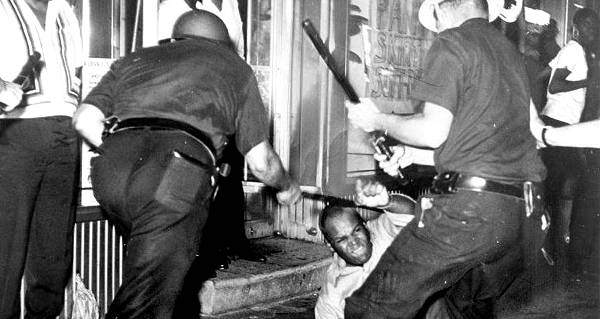
The 1960s in New York City were marked by significant social unrest as various movements sought justice and equality. The civil rights movement gained momentum, with organizations like the NAACP and SCLC staging protests aimed at confronting systemic racism. Activists organized marches, rallies, and sit-ins, demanding desegregation and equal rights for African Americans, which reverberated throughout the nation.
Another pivotal aspect of social unrest was the anti-war movement, which opposed the Vietnam War. NYC became a hub for protest activities, where citizens voiced their dissent against military actions. Significant events included the massive 1967 Peace March, drawing thousands who marched from Central Park to the UN headquarters, highlighting the city’s role as a battleground for peace and activism.
Additionally, other marginalized groups began to raise their voices during this tumultuous decade. The women’s liberation movement gained traction, advocating for gender equality and women’s rights. Activists organized events such as the Women’s Strike for Equality in 1970, emphasizing the demand for equal pay, reproductive rights, and an end to discriminatory practices.
 Abandoned Department Store: Rise and Fall of Retail Giants
These movements were not isolated; they often intersected, creating a tapestry of activism that defined 1960s NYC. The convergence of various issues—race, gender, and anti-war sentiments—fostered a sense of solidarity among diverse communities. As these protests unfolded, they not only shaped public discourse but also laid the groundwork for future advocacy and reform, making the city a focal point for change during a critical period in American history.
The Impact of the 1960s on New York City’s Architecture and Urban Landscape
The 1960s were a period of profound architectural evolution in New York City, reflecting the city’s dynamic culture and social changes. This decade saw a shift towards modernism, with innovative designs emerging that embodied the aspirations of a post-war society. New buildings not only transformed the skyline but also redefined urban living, paving the way for a new urban landscape.
Key architectural developments during this time included:
- The Seagram Building (1958) set the tone for sleek modernist design.
- Lincoln Center (opened in 1962) became a cultural hub, showcasing performing arts in a striking modern setting.
- The World Trade Center (construction began in 1966) redefined the concept of urban skyscrapers with its bold twin towers.
These architectural milestones reflected not only aesthetic values but also a response to social issues, such as the need for public spaces and cultural institutions. The rise of large-scale developments also sparked debates regarding urban renewal, as communities grappled with displacement and the preservation of historical neighborhoods. As a result, the city’s fabric was interwoven with both innovation and controversy during this transformative decade.
Furthermore, urban planning in the 1960s focused on the need for modern infrastructure to accommodate a growing population. The establishment of green spaces and pedestrian-friendly areas aimed to enhance the quality of urban life. Initiatives like the High Line project, which later became a celebrated linear park, showcased innovative approaches to reimagining urban environments. These changes laid the foundation for a revitalized New York City that continues to evolve today.
Exploring the Underground Scene: NYC’s Counterculture and Bohemian Lifestyle in the 1960s
During the 1960s, New York City’s underground scene blossomed as a vibrant counterculture movement emerged. Artists, musicians, and writers sought to break free from the constraints of mainstream society, fostering a bohemian lifestyle that celebrated individuality and creativity. This era was marked by a spirit of experimentation, where traditional norms were challenged, and new forms of artistic expression flourished in the city’s backrooms and basements.
Key locations such as the Stonewall Inn and the Odin Gallery became epicenters for the artistic community, providing spaces for performances, visual art exhibitions, and political discussions. These venues not only showcased avant-garde works but also served as safe havens for marginalized groups, including the LGBTQ+ community. The atmosphere was electric, filled with the energy of those who rejected conventional lifestyles and embraced a more liberated existence.
The underground music scene also played a significant role in shaping the cultural landscape. Genres such as psychedelic rock and early punk began to take root, influencing both local and national movements. Notable figures included Lou Reed and John Cale of The Velvet Underground, whose experimental sounds and lyrics resonated with the counterculture ethos. This music not only reflected the tumult of the times but also inspired a generation to seek change through artistic expressions.
Overall, exploring the underground scene of NYC in the 1960s reveals a rich tapestry of creativity and rebellion. The collision of art, music, and social movements created a unique environment where innovative ideas could flourish, leaving an indelible mark on the city’s identity. This era laid the groundwork for future cultural movements, highlighting the importance of community and self-expression in the face of societal challenges.
Fashion Trends of the 1960s in New York City: From Mod to Boho Chic
The fashion trends of the 1960s in New York City were as dynamic and transformative as the city itself. This era saw the rise of various styles that reflected the cultural shifts and social movements of the time. From the sleek, tailored looks of the Mod subculture to the flowing, bohemian garments embraced by the counterculture, NYC became a runway for diverse fashion expressions. The fusion of art, music, and social commentary played a significant role in shaping these trends, making fashion a form of self-expression and rebellion.
One of the most iconic styles of the decade was the **Mod look**, characterized by bold colors, geometric patterns, and sharp cuts. Designers like Mary Quant popularized the mini skirt, while accessories such as go-go boots and oversized sunglasses became staples. This fashion trend was not just about aesthetics; it represented a break from traditional norms and an embrace of youth culture’s vibrancy. In contrast, the **bohemian chic** style emerged as a symbol of peace and love, featuring flowing fabrics, ethnic prints, and layered accessories, appealing to those who sought freedom from convention.
Influential figures of the time, including musicians and artists, played a crucial role in setting these trends. Notable icons like Jimi Hendrix and Twiggy not only defined the fashion of their respective scenes but also inspired countless followers to adopt their unique styles. NYC’s streets became a melting pot of fashion, where individuals expressed their identities through what they wore, whether it was the polished look of the **Upper East Side** or the eclectic ensembles of the **East Village**. This era was a celebration of diversity, showcasing how fashion could unite various subcultures under a shared spirit of creativity and innovation.
As the decade progressed, the **intersection of fashion and activism** became increasingly prominent. Many young people used their style to make political statements, whether through the adoption of countercultural symbols or the rejection of consumerism. The fashion landscape of 1960s NYC not only mirrored the social changes occurring outside but also served as a catalyst for further transformation. This vibrant interplay of style and substance left a lasting legacy, influencing future generations and redefining how fashion could serve as a vehicle for personal and political expression.
The Economic Challenges Facing New York City in the 1960s: A Decade of Change
The economic landscape of New York City in the 1960s was marked by profound challenges that shaped the decade of change. As the city grappled with a shifting industrial base, many traditional manufacturing jobs began to decline, leading to increased unemployment rates. This economic turmoil was exacerbated by a rising population and the consequent demand for public services, which often outpaced the city’s ability to provide them.
One of the most pressing issues was the urban decay that affected numerous neighborhoods. Factors contributing to this included:
- Suburbanization, which drew residents and businesses away from the urban core.
- Disinvestment in infrastructure and housing, leading to deteriorating living conditions.
- Rising crime rates, which further discouraged economic investment.
In response to these challenges, city leaders sought innovative solutions, including urban renewal projects aimed at revitalizing affected areas. However, these efforts often met with resistance, as many local communities faced displacement and disruption. The tension between development and the preservation of community identity became a focal point of public discourse during this tumultuous period.
Additionally, the economic struggles of the 1960s led to the emergence of new industries, particularly in the technology and service sectors. This shift not only created new job opportunities but also began to redefine the city’s economic identity. As NYC adapted to these changes, it laid the groundwork for future economic transformations, marking a pivotal era in its history.