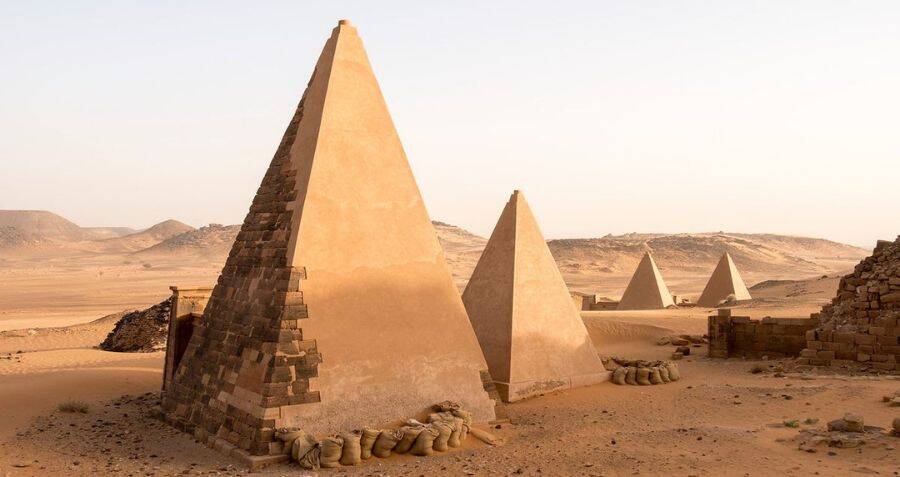
Sudan is a treasure trove of ancient history, boasting more pyramids than any other country in the world. While these Nubian pyramids are often overshadowed by their more famous Egyptian counterparts, they offer a unique and captivating glimpse into the rich civilization of Kush. These majestic structures stand as silent sentinels to a glorious past, serving as tombs for the powerful Black Pharaohs who ruled from 700 B.C.E. to 300 C.E.
Unlike their Egyptian cousins, Nubian pyramids are characterized by smaller bases and steeper sides, with burial chambers situated beneath the structure rather than within. This distinctive architectural style speaks volumes about the cultural nuances and traditions of the Kushite people. Though these wonders are less renowned due to their remote location in the Sudanese desert, they hold immense historical significance and offer a fascinating window into a bygone era.
The allure of Nubian pyramids location lies not only in their impressive size but also in the secrets they hold. Excavations have unearthed a wealth of artifacts, including intricate horse harnesses, exquisite pottery, and goods traded from distant lands, revealing a vibrant network of ancient commerce. These discoveries shed light on the sophisticated lifestyle and cultural connections of the Kushite civilization, painting a vivid picture of their daily lives and interactions with the wider world.
The Nubian Pyramids: A Unique Legacy
The Nubian pyramids stand apart from their Egyptian counterparts in several fascinating ways. While both served as monumental tombs for rulers and elites, the Nubian pyramids are characterized by their smaller bases and steeper sides, creating a more compact and imposing silhouette against the desert landscape. This distinct architectural style reflects the unique cultural traditions and beliefs of the Kushite civilization.
Furthermore, the burial chambers in Nubian pyramids are located beneath the structure itself, rather than within its core like those found in Egypt. This difference suggests variations in funerary practices and beliefs surrounding the afterlife. The placement of the chambers beneath the pyramid may have been influenced by a desire to symbolize the descent into the underworld or a belief that the deceased would ascend directly into heaven from their subterranean resting place.
These unique characteristics make Nubian pyramids location a site rich with archaeological and cultural significance. They offer invaluable insights into the distinct worldview and architectural ingenuity of the ancient Kushite people, highlighting the diversity and complexity of ancient African civilizations.
Design and Construction Secrets
The construction of the Nubian pyramids is a testament to the ingenuity and skilled craftsmanship of the ancient Kushite people. These monumental structures were erected using simple tools and techniques, primarily employing ramps and levers to transport massive stone blocks weighing several tons each.
The precise methods used to shape and fit these stones remain a subject of ongoing archaeological study. It’s believed that they utilized copper chisels and hammers, along with wooden mallets and abrasive materials like sand to smooth the surfaces. The meticulous arrangement and placement of each block demonstrate a deep understanding of geometry and structural integrity, ensuring the pyramids could withstand the test of time and harsh desert conditions.
The construction process itself would have involved a significant effort from a large workforce, requiring coordination, planning, and specialized labor divisions. It’s fascinating to imagine the dedication and skill required to transport these colossal stones over long distances and assemble them with such precision, showcasing the remarkable capabilities of ancient architects and builders. The resulting structures stand as enduring symbols of their industriousness and architectural prowess, reminding us of their legacy in Nubian pyramids location.
Hidden Wonders and Ancient Artifacts
Beneath the imposing exterior of the Nubian pyramids lie hidden chambers and passageways filled with treasures from a bygone era. Excavation efforts have unearthed a wealth of artifacts that provide invaluable insights into the daily lives, beliefs, and cultural practices of the ancient Kushite people.
Among the most fascinating discoveries are intricately crafted horse harnesses, suggesting a strong equestrian tradition and skilled metalworking capabilities. Exquisite pottery adorned with geometric patterns and vibrant motifs reveals a keen appreciation for artistry and symbolism. Other unearthed artifacts include tools, jewelry, and everyday objects that shed light on the practical aspects of Kushite life.
These ancient treasures offer a glimpse into a rich and complex civilization that thrived for centuries in Nubian pyramids location. Each artifact tells a story, piecing together the tapestry of their history, beliefs, and interactions with the world around them.
Threats to the Nubian Pyramids
Despite their grandeur and historical significance, the Nubian pyramids face numerous threats that jeopardize their preservation for future generations. Climate change poses a significant challenge, with rising temperatures and unpredictable weather patterns leading to increased desertification and soil erosion around these fragile structures. Sandstorms can also cause significant damage to the delicate stonework, gradually wearing away at the surface and compromising its structural integrity.
Furthermore, potential flooding from the Nile River presents another serious risk, particularly during periods of heavy rainfall or dam releases. The rising water levels could inundate the pyramid sites, leading to erosion, waterlogging, and damage to artifacts within the burial chambers. These environmental threats underscore the urgency of implementing effective conservation measures to protect these invaluable historical treasures.
Compounding these natural challenges are socio-economic factors that hamper preservation efforts. Limited funding for restoration projects and ongoing travel advisories issued by many countries due to regional instability deter both researchers and tourists, hindering public awareness and financial support for the pyramids’ upkeep. Addressing these multifaceted threats requires a concerted effort from governments, international organizations, and local communities to ensure the long-term survival of Nubian pyramids location as a testament to human ingenuity and cultural heritage.
Preserving a Fragile Past
The preservation of the Nubian pyramids is a multifaceted challenge requiring a comprehensive approach that addresses both environmental threats and socio-economic constraints. Implementing sustainable land management practices to mitigate desertification and erosion is crucial. This includes promoting reforestation initiatives, controlling grazing patterns, and implementing water conservation strategies in the surrounding areas.
Moreover, strengthening local communities’ involvement in preservation efforts is essential. Engaging them in tourism initiatives, cultural heritage education programs, and sustainable development projects can empower them to become active stewards of their historical legacy. Investing in research and archaeological excavations will not only uncover more secrets about the past but also provide valuable information for effective conservation strategies.
Ultimately, raising global awareness about the importance of Nubian pyramids location is vital. Promoting responsible tourism practices, encouraging international collaboration, and advocating for increased funding for preservation projects can help secure a future where these majestic structures continue to inspire awe and wonder for generations to come.