Nikola Tesla was a visionary inventor whose name is synonymous with groundbreaking advancements in electricity and wireless communication. His contributions to the world continue to shape our lives today, from the power grids that illuminate our cities to the technologies that connect us globally. Yet, despite his immense brilliance, Tesla’s later years were shrouded in mystery.
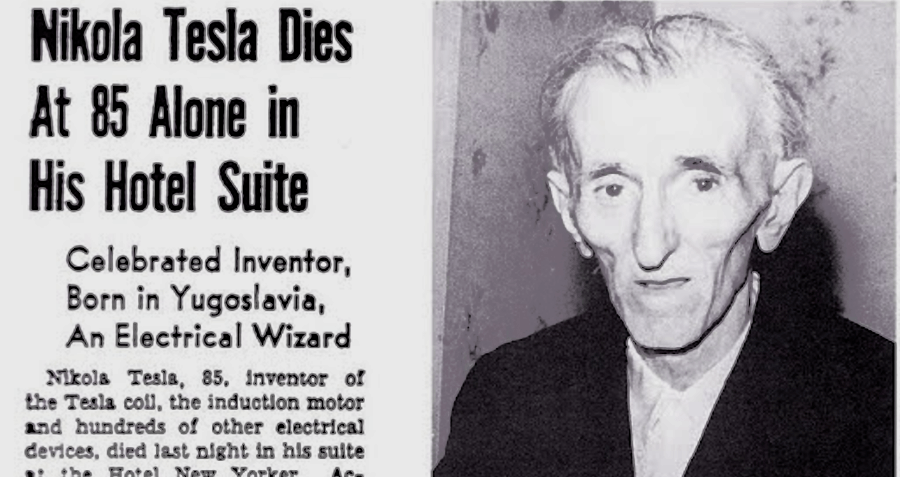
He died alone and impoverished in 1943 at the age of 86, leaving behind a legacy marked by both triumph and tragedy. The circumstances surrounding nikola tesla death cause have been the subject of much speculation ever since. While some believe his passing was due to natural causes, others point to more sinister theories involving government conspiracies and covert operations.
Tesla’s eccentricities and intense focus on his work often led to isolation and unconventional behaviors. His fascination with pigeons became legendary, and he reportedly spent countless hours feeding and observing them. These peculiar aspects of his life, combined with the secrecy surrounding his final days, have only added fuel to the fire of speculation about his true legacy.
The Decline of a Genius: Tesla’s Final Years
As Tesla’s age advanced, so did a sense of isolation and melancholy. Although he continued to receive admiration for his past achievements, his later years were marked by financial struggles and a growing disconnect from the scientific community. His unconventional ideas and relentless pursuit of ambitious projects often led to skepticism and dismissal from those who couldn’t grasp the magnitude of his vision.
Several factors likely contributed to Tesla’s decline. His unwavering dedication to his work came at the expense of personal relationships, leaving him with few close confidants in his twilight years. The increasing pace of technological development may have also left him feeling behind, as younger generations of inventors focused on different areas of research. The weight of unfulfilled dreams and the sting of public indifference likely took a toll on his mental well-being.
Despite his struggles, Tesla remained a captivating figure, known for his eccentric habits and enigmatic personality. His fascination with pigeons became almost legendary, and he often spent hours feeding and observing them in New York City parks. These moments of tenderness towards the birds offered a glimpse into the human side of a brilliant mind grappling with loneliness and disillusionment in his final years.
A Life Marred by Isolation and Obsession
Tesla’s life was a fascinating tapestry woven with threads of brilliance and eccentricity. While his genius illuminated the world with groundbreaking inventions, it also cast long shadows of isolation and obsession. He often struggled to connect with others on a personal level, finding solace in the solitude of his work. This detachment from conventional social norms contributed to a sense of loneliness that permeated his life.
His relentless pursuit of scientific breakthroughs consumed him, blurring the lines between work and personal life. Tesla’s mind was a whirlwind of ideas, constantly churning with new concepts and theories. He often worked long hours, driven by an insatiable curiosity and a burning desire to leave his mark on history. This unwavering dedication came at a cost, leaving little room for leisure or meaningful relationships outside the realm of science.
Tesla’s fascination with pigeons became a peculiar manifestation of this isolation. These gentle creatures offered him companionship and a sense of connection to the natural world. He would spend hours feeding them in Central Park, seemingly finding solace in their simple presence. This unusual bond further highlighted his struggle to integrate into mainstream society, suggesting a man who found comfort in the unconventional and felt most at ease amidst the quiet company of pigeons rather than the clamor of human interaction.
Government Secrecy and the Death Ray Myth
After Tesla’s death in 1943, the U.S. government took a keen interest in his vast collection of notes and files. They were particularly intrigued by his claims about inventions like the “death ray,” a rumored particle-beam weapon capable of destroying aircraft. This sparked widespread speculation and conspiracy theories, fueling the public’s fascination with Tesla’s enigmatic legacy.
John G. Trump, an engineer who evaluated Tesla’s papers at the time, concluded that much of his work was speculative and lacked practical applications. However, he also acknowledged the potential for some of Tesla’s ideas to be militarily significant. Despite this assessment, the government kept a substantial portion of Tesla’s files classified for decades. This secrecy only intensified public curiosity and fueled suspicions that the government was hiding revolutionary technologies or suppressing information about Tesla’s true achievements.
The release of hundreds of pages from Tesla’s papers in 2016 shed some light on his final years, but many documents remain sealed. The ongoing mystery surrounding nikola tesla cause of death and the true extent of his inventions continues to captivate historians, scientists, and conspiracy theorists alike. The story of Nikola Tesla remains a compelling reminder that even the most brilliant minds can be shrouded in secrecy and controversy.
Declassified Files and Persistent Speculation
The release of declassified documents in 2016 offered a glimpse into the government’s handling of Tesla’s archives. These papers revealed internal discussions and assessments of his work, shedding light on the government’s concerns about potential military applications for his inventions. However, many files remain classified, leaving room for speculation about what information is being withheld from the public.
This ongoing secrecy has only intensified public curiosity surrounding Tesla’s final years and his nikola tesla death cause. Some believe that the government concealed evidence of groundbreaking technologies or suppressed information that could challenge established scientific paradigms. Others argue that the government’s rationale for keeping certain files secret is simply to protect national security, ensuring that sensitive military information does not fall into the wrong hands.
Despite decades of speculation and the release of some classified documents, the true extent of Tesla’s legacy remains shrouded in mystery. The unanswered questions surrounding his death, his inventions, and the government’s actions continue to fuel public fascination with this enigmatic genius.
Unraveling the Secrets of Tesla’s Legacy
Nikola Tesla’s life and work continue to inspire awe and wonder, prompting ongoing efforts to unravel the secrets of his legacy. Historians, scientists, and enthusiasts alike are dedicated to piecing together the puzzle of his final years, exploring the motivations behind his eccentric behavior, and assessing the true impact of his inventions on modern society.
The declassification of government documents provides valuable insights into Tesla’s interactions with authorities and sheds light on the extent to which his work was viewed as a potential national security threat. However, much remains unknown about the specific content of classified files, leaving room for speculation and debate. The quest to understand nikola tesla death cause and the full scope of his achievements is a complex and multifaceted endeavor that continues to captivate the imaginations of people around the world.
Perhaps Tesla’s enduring legacy lies not only in his groundbreaking inventions but also in his ability to inspire generations with his relentless pursuit of knowledge, his boundless imagination, and his unwavering belief in the power of technology to shape the future. His story serves as a reminder that even the most brilliant minds often face obscurity and misunderstanding during their lifetimes, leaving behind mysteries that may never be fully solved.