Imagine strolling down a bustling street in New York City at the turn of the 20th century. The air hums with energy, but the skyline is dramatically different from what we see today. Gone are the towering giants of glass and steel that pierce the clouds; instead, you’d be greeted by a cityscape defined by charming row houses, elegant brownstones, and stately buildings punctuated by churches with graceful spires reaching towards the heavens. The city pulsed with life, but it was a slower pace, a world before the frenetic energy of new york before skyscrapers came to define its character.
This era wasn’t just about aesthetics; it represented a distinct chapter in New York City’s history. Life unfolded at a more deliberate rhythm. Imagine children playing in the streets, horse-drawn carriages clattering past, and vendors hawking their wares from pushcarts. The city was a melting pot of cultures, where immigrant communities thrived alongside established neighborhoods.
This article invites you to step back in time and explore these fascinating glimpses of early 20th century New York City. Through captivating photographs, we’ll uncover the city’s hidden beauty before skyscrapers dominated its skyline, revealing a world that was both familiar and strangely enchanting.
Pre-Skyscraper Era: A Visual Journey
Close your eyes and picture yourself standing on a bustling street corner in early 20th century New York City. The air is filled with the sounds of horse-drawn carriages clattering over cobblestone streets, vendors hawking their wares, and lively chatter in a multitude of languages. As you look around, you’ll notice buildings that reach for the sky but not in the way we know today. They are elegant structures, often adorned with intricate details and topped with classic architectural flourishes.
These photographs transport us back to this fascinating period – new york before skyscrapers – when the city’s skyline was a patchwork of varying heights and styles. You’ll see imposing department stores like Macy’s and Gimbels, their grand facades beckoning shoppers to explore their treasures. Churches with soaring spires punctuate the cityscape, reminders of the city’s strong religious influence. And tucked between them are charming row houses, each one a testament to the diverse communities that called New York home.
Each photograph is a window into a bygone era, capturing not just the architecture but also the spirit of the time. It’s a reminder that even before the rise of skyscrapers, New York City was a dynamic, vibrant place filled with life, energy, and endless possibility.
Architectural Transformation of Early 20th Century NYC
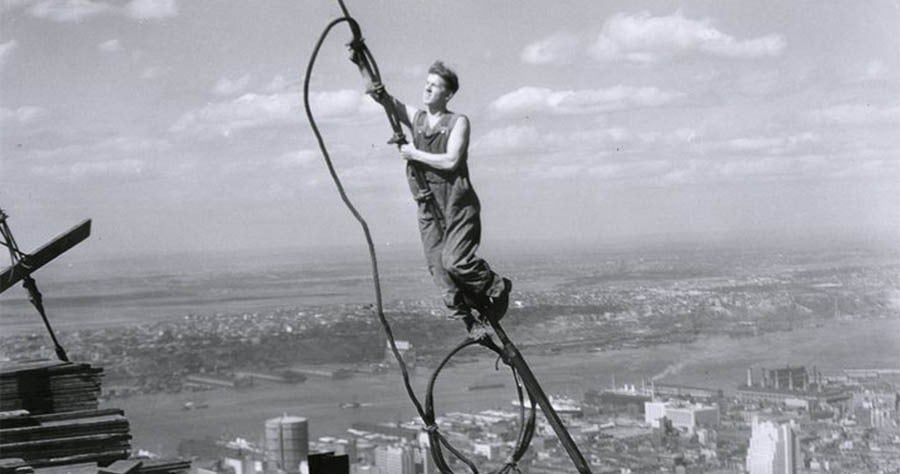
The turn of the 20th century marked a pivotal moment for New York City’s architectural landscape. While charming pre-skyscraper structures still dotted the city, a new wave of innovation was brewing. Architects began experimenting with daring designs, pushing the boundaries of what was possible in building construction. Iron and steel became increasingly popular materials, allowing for taller, stronger structures that defied gravity.
This shift wasn’t just about aesthetics; it was driven by a booming population and a growing need for more office space. Land in Manhattan was scarce and expensive, so upward expansion seemed inevitable. New york before skyscrapers was slowly transitioning into the metropolis we know today. Imagine the excitement as these architectural marvels began to take shape!
Notable examples include the iconic Woolworth Building, crowned with its ornate spire that dominated the skyline for years. The emergence of skyscrapers changed not only the physical appearance of the city but also its cultural identity. They became symbols of progress, wealth, and ambition, attracting businesses and people from all corners of the world.
Iconic Structures and Their Impact
As skyscrapers began to punctuate the New York City skyline, they quickly became more than just impressive structures; they evolved into icons, each with its own story to tell. The Chrysler Building, with its sleek Art Deco design and crowning spire that reached dizzying heights, captured the spirit of a confident and glamorous era. The Empire State Building, an architectural marvel completed during the Great Depression, became a symbol of hope and resilience for a nation struggling to overcome adversity.
These iconic structures not only changed the city’s appearance but also had a profound impact on its identity. They attracted businesses, tourists, and dreamers from around the world. The rise of these skyscrapers symbolized New York City’s ambition, innovation, and unyielding spirit – qualities that continue to define the city today.
Walking past these architectural giants, one couldn’t help but feel a sense of awe and wonder. They were testaments to human ingenuity and creativity, standing as proud reminders of how new york before skyscrapers transformed into the global metropolis we know and love.
New York City’s Evolving Identity
The emergence of skyscrapers fundamentally shifted New York City’s identity. It moved from a city known for its charming brownstones and horse-drawn carriages to a modern metropolis that embraced innovation and ambition. The soaring heights of these buildings reflected the skyrocketing aspirations of its inhabitants, who sought new opportunities and dreamed of reaching for the stars.
This transformation wasn’t just visual; it was cultural as well. Skyscrapers became symbols of progress and prosperity, attracting businesses, entrepreneurs, and artists from around the world. The city pulsated with a newfound energy, a vibrant mix of cultures and ideas that cemented its place as a global center for commerce, finance, and culture.
New york before skyscrapers, while charming in its own right, laid the groundwork for this evolution. The city’s existing infrastructure, diverse population, and entrepreneurial spirit created a fertile ground for growth. The rise of skyscrapers simply amplified these inherent qualities, propelling New York City into a new era as a beacon of modernity and possibility.
Legacy of a Changing Skyline
Looking back at the photographs of early 20th century New York City, we see a city on the cusp of change. The legacy of this period is undeniable; it shaped not only the physical landscape but also the very identity of the city. While the rise of skyscrapers undoubtedly transformed New York’s skyline, it was also a reflection of its enduring spirit – a constant drive to innovate, evolve, and push boundaries.
The impact of that era resonates even today. The iconic structures that rose during this period remain landmarks, their elegant designs a testament to architectural ingenuity. They serve as reminders of the city’s dynamism and its ability to adapt to changing times. New york before skyscrapers may be a distant memory for many, but its influence lives on in every towering structure that graces the modern cityscape, shaping the world we see today.
As we continue to marvel at these architectural marvels, let us remember the journey that brought them into being – a story of ambition, creativity, and the unwavering spirit of New York City itself.