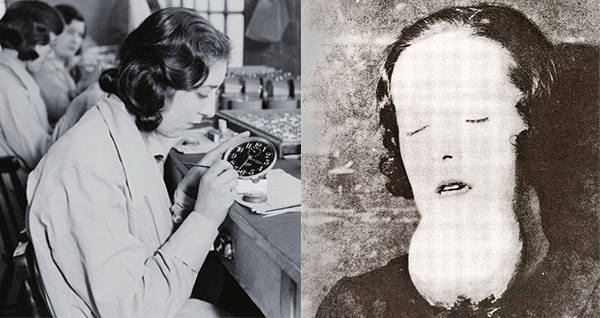
In the early 1900s, a new danger lurked in American factories. Hundreds of young women, known as the radium girls, worked diligently painting luminous radium onto watch dials to make them easier to read in dim light. They were unaware of the grave consequences that awaited them. These brave women were entrusted with dangerous materials.
They were even encouraged by their supervisors to use their tongues to point the brushes and apply the paint more precisely. Imagine dipping your brush into a bottle of glowing radium every day! It seems almost unbelievable now, but back then, the dangers of radiation were not well understood. This lack of awareness led to widespread exposure to molly radium jaw and other devastating health problems for these innocent workers.
Their story is a heartbreaking reminder of the importance of worker safety and the need for responsible handling of hazardous materials. The radium girls’ fight for justice and recognition paved the way for stricter regulations and greater understanding of radiation hazards, ensuring that future generations wouldn’t face the same tragic fate.
The Radium Girls: A Story of Exposure
These young women, many barely out of their teens, believed they were doing ordinary work. They meticulously painted the numbers and hands on watch dials, unaware that each brushstroke was a gamble with their health. The radium paint glowed in the dark, making it seem almost magical. But this alluring glow masked a hidden danger – radioactive decay.
Over time, these constant exposures took a terrible toll. Jaw cancer became a horrifyingly common affliction, leading to painful deformities and even death. Some girls developed bone diseases, leaving their skeletons brittle and vulnerable. Others suffered from cataracts that clouded their vision, robbing them of the beauty of the world they had once known. The radium had invaded their bodies, wreaking havoc on their health.
These young women, often dismissed by doctors who initially refused to believe the link between their illnesses and radium exposure, became known as the molly radium jaw girls. Their story is a stark reminder that progress often comes at a cost, and it underscores the importance of protecting workers from harm.
The Dangers of Unregulated Radiation
The tragedy of the radium girls wasn’t just about individual suffering; it exposed a widespread problem – the lack of regulation surrounding radioactive materials in the early 20th century. At that time, the dangers of radiation were poorly understood by the general public and even many scientists. Radium was seen as a wonder substance, touted for its healing properties and incorporated into everything from cosmetics to food.
This ignorance created a dangerous environment where workers like the radium girls were exposed to high levels of radiation without proper protection or warnings. Companies prioritized profit over safety, failing to provide adequate training or protective equipment. This reckless disregard for human life had devastating consequences. The story of the radium girls serves as a cautionary tale about the perils of negated radiation and the importance of responsible scientific development and ethical business practices.
Today, we have much stricter regulations in place to protect workers from exposure to radioactive materials thanks, in part, to the brave women who fought for recognition and justice. Their sacrifice has helped ensure that future generations are not subjected to the same dangers they faced.
Dr. Harrison Martland’s Research
As the radium girls fell ill, their stories were met with skepticism and dismissal by many doctors. However, Dr. Harrison Martland, a New Jersey physician, refused to ignore their plight. He diligently investigated their cases, meticulously documenting their symptoms and linking them to their exposure to radium.
Dr. Martland’s groundbreaking research exposed the link between radium exposure and bone cancer, jaw deformities, and other debilitating illnesses. His findings were initially met with resistance from powerful corporations who sought to protect their profits, but his persistent efforts eventually gained recognition. He published his findings in prestigious medical journals, bringing national attention to the plight of the radium girls and forcing a reckoning with the dangers of radioactive materials.
Dr. Martland’s courage and dedication paved the way for stricter regulations on the use of radioactive substances and helped ensure that future generations would be better protected from the devastating consequences of radiation exposure. His legacy stands as a testament to the power of scientific inquiry and the importance of fighting for justice, even in the face of powerful opposition.
Legacy and Impact on Radiation Safety
The tragic story of the radium girls left an indelible mark on history, forever changing our understanding of radiation and its dangers. While their sacrifice was immense, it ultimately led to significant advancements in radiation safety regulations.
In the wake of their suffering, laws were enacted to protect workers from harmful exposure to radioactive materials. Stricter guidelines for handling and disposal of radioactive substances were implemented, ensuring that future generations wouldn’t face the same fate. The radium girls’ fight for justice spurred a global conversation about worker safety and ethical practices in industries dealing with hazardous materials.
Their legacy serves as a powerful reminder that progress must come with responsibility and that protecting human health should always be paramount. The molly radium jaw girls paved the way for a safer future, ensuring that their story would not be repeated. Their bravery continues to inspire awareness and action, pushing us to prioritize safety and ethical practices in all aspects of scientific advancement.
Protecting Future Generations from Radiation Hazards
The legacy of the radium girls serves as a stark reminder that vigilance is crucial when dealing with powerful forces like radiation. While significant strides have been made in regulating and mitigating radiation hazards, it’s important to remember that the work isn’t over.
Continued research and education are essential to staying ahead of potential dangers. New technologies constantly emerge, some of which may involve radioactive materials. It’s vital to ensure that workers handling these substances receive thorough training and have access to appropriate protective equipment. Furthermore, public awareness about radiation safety remains crucial.
Understanding the risks associated with radiation exposure can empower individuals to make informed decisions and advocate for responsible practices in their communities. By learning from the past and embracing a proactive approach, we can strive to protect future generations from the devastating consequences of molly radium jaw and other radiation-related illnesses.