

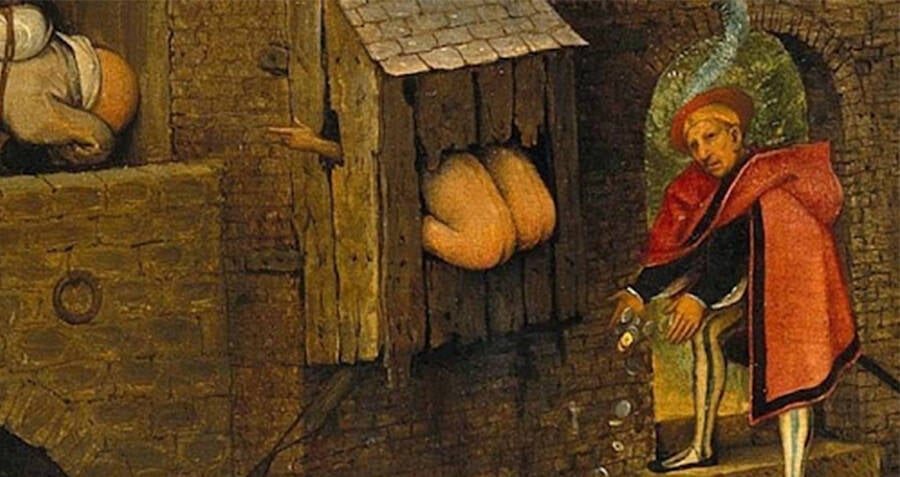
Imagine stepping back in time to the Middle Ages, a period marked by knights, castles, and, surprisingly, unique sanitation practices. While we might shudder at the thought of medieval toilets, they played an integral role in daily life during those times. These weren’t your modern porcelain thrones; instead, they were rudimentary structures known as garderobes or privy chambers.
These medieval outhouses were often built into castle walls or alongside homes, offering a discreet spot for relieving oneself. A simple opening led down to latrines or even directly into moats below, carrying waste away from dwellings. While not exactly luxurious, these early attempts at sanitation were surprisingly ingenious for their time.
The design of these toilets in medieval times aimed to both serve a practical purpose and offer some level of privacy. Some garderobes were even equipped with wooden benches above the openings, providing a rudimentary seat. While they may seem primitive today, these structures represented a significant step forward from earlier sanitation practices, helping to improve public health in medieval societies.
Medieval Toilets: Gardeobes and Privy Chambers
The term “garderobe” might sound a bit foreign to our modern ears, but it simply refers to the medieval equivalent of a toilet. These structures were often built into the walls of castles and homes, serving as both a functional necessity and a subtle architectural feature. They typically consisted of an opening leading down to a latrine or even directly into a castle moat below, allowing waste to be efficiently disposed of away from living spaces.
Privy chambers, on the other hand, were similar in purpose but often slightly more elaborate. These rooms might have included basic amenities like wooden benches and rudimentary ventilation systems, offering a bit more comfort compared to the simpler garderobes. The placement of these chambers varied depending on the structure’s size and design. Sometimes they were nestled discreetly within hallways or alongside bedrooms, while in grander castles, they could even boast their own dedicated wings.
Regardless of their specific design, both garderobes and privy chambers played a vital role in medieval life, demonstrating a surprisingly sophisticated understanding of sanitation for their time. While not exactly luxurious by modern standards, these **toilets in medieval times represent an important step towards the development of personal hygiene practices that continue to evolve today.
Design and Functionality of Medieval Outhouses
The design of medieval outhouses, or medieval outhouses, was driven by practicality and the need to dispose of waste efficiently. While some might picture simple holes in the ground, these structures were often more complex. They might be built into castle walls, alongside homes, or even situated strategically within courtyards. The key element was a vertical shaft leading down to a latrine, which then connected to a larger system for waste removal.
This system varied depending on the location and available resources. Sometimes, waste shafts emptied directly into moats surrounding castles, serving a dual purpose of sanitation and defense. In other cases, waste was channeled into cesspits or rivers, depending on local geography and regulations. The goal was always to move waste away from living spaces and prevent contamination of drinking water sources.
Medieval outhouses often featured simple yet effective design elements to enhance functionality. Some had wooden benches above the openings for a more comfortable experience, while others included rudimentary ventilation systems to minimize odors. Though lacking the modern plumbing we take for granted, these structures represent an impressive level of ingenuity for their time.
Sanitation Challenges and Hygiene Practices
Despite these advancements in sanitation, life in the Middle Ages still posed significant challenges when it came to hygiene. The lack of indoor plumbing meant that waste disposal relied heavily on external systems like those found in royal medieval toilets. This often led to unpleasant odors and unsanitary conditions, particularly in densely populated areas.
While people understood the importance of cleanliness, their methods were limited by available resources. Handwashing was common, but soap wasn’t widely used due to its expense. Bathing was also infrequent, with some resorting to river dips for a basic clean. The lack of proper sewage systems meant that diseases could spread easily through contaminated water and food sources.
Ultimately, medieval sanitation practices, while innovative for their time, were still far from ideal. It took centuries of scientific advancements and technological innovation before indoor plumbing and modern hygiene standards became commonplace.
The Role of Gong Farmers in Waste Management
You might be surprised to learn that medieval waste management relied on a dedicated profession: the gong farmer. These individuals played a crucial role in keeping towns and castles clean by collecting and processing human waste from toilets in medieval times. Their work was essential but certainly not glamorous!
Gong farmers would manually remove excrement from latrines and cesspits, often using buckets, shovels, and basic tools. They then transported this waste to designated areas for composting or disposal. Surprisingly, some gong farmers even considered the process a valuable resource. Human waste was rich in nutrients and could be used as fertilizer for crops, contributing to agricultural productivity.
The job of a gong farmer wasn’t always easy. It required strength, stamina, and a tolerance for unpleasant conditions. Despite the challenges, these unsung heroes contributed significantly to public health by ensuring proper waste management during a time when sanitation practices were still evolving.
From Privy to Plumbing: The Evolution of Sanitation
The medieval era marked a significant step forward in sanitation practices compared to earlier periods, but the journey towards modern hygiene standards was far from over. Over centuries, advancements in engineering and public health awareness gradually led to a revolution in sanitation systems.
The introduction of indoor plumbing in the mid-1800s proved to be a pivotal moment. Sewers, water mains, and flush toilets became increasingly common in urban areas, replacing rudimentary outhouses and significantly reducing the spread of disease. Public awareness about hygiene also grew during this period, with campaigns promoting handwashing, clean drinking water, and proper waste disposal becoming more widespread.
This evolution culminated in the sophisticated sanitation infrastructure we enjoy today, a testament to human ingenuity and our ongoing quest for a healthier and more hygienic living environment. From toilets in medieval times to modern plumbing marvels, the story of sanitation is a fascinating journey through innovation and progress.