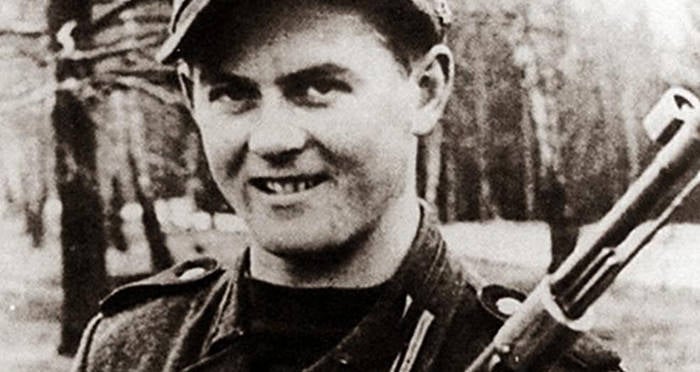
World War II was a time of incredible bravery and sacrifice. Amidst the chaos and destruction, some individuals rose to extraordinary heights of skill and courage. One such figure was Matthäus Hetzenauer, a German sniper who became a legend on the Eastern Front.
He wasn’t your typical soldier; Hetzenauer had honed his sharpshooting skills from a young age. Imagine him as a boy, learning alongside his father and uncles, developing an almost instinctive understanding of marksmanship. This natural talent, combined with rigorous training, propelled him to become one of the most successful snipers in the Third Reich.
Hetzenauer’s story is a testament to human potential under extreme pressure. His unwavering focus and precision helped disrupt enemy battalions, taking down key targets like machine gunners and unit commanders. His exploits are a reminder that even in the darkest hours, there were individuals who displayed incredible skill and determination, shaping the course of history.
A Sharpshooter Emerges
Hetzenauer’s military career was far from a leisurely stroll through the fields of Austria. He found himself thrust into the brutal reality of World War II, fighting on the Eastern Front against formidable Soviet forces. This demanding theater of war called for every ounce of skill and resilience he possessed.
Picture him, young yet resolute, taking up his trusty Karabiner 98k sniper variant, equipped with a 6x telescopic sight. Or perhaps imagine him maneuvering with a Gewehr 43, its ZF4 4x telescopic sight enhancing his accuracy. These were the tools of his trade, and he wielded them with unmatched precision. Every shot was deliberate, every movement calculated, as he sought to make a difference in the tide of battle.
His targets weren’t just nameless faceless enemies; they were often key figures within enemy battalions – commanders and machine gunners who held sway over their comrades. Taking them down disrupted Soviet lines, created chaos, and ultimately contributed to the Allied cause. Hetzenauer wasn’t just a soldier; he was a silent predator, stalking his prey with unwavering focus and deadly efficiency.
Hetzenauer’s Service in WWII
Hetzenauer’s service in World War II was a testament to his dedication and unwavering courage. He threw himself into the heart of the conflict, serving on the Eastern Front from August 1944 until May 1945. Those months were filled with grueling battles, relentless pressure, and unimaginable hardship. Yet, amidst the chaos, Hetzenauer emerged as a beacon of skill and precision.
You have to imagine the sheer intensity of fighting on that front – the constant threat of enemy fire, the harsh weather conditions, the weight of responsibility for his comrades. But despite it all, he persevered, honing his skills with each passing day. He wasn’t just surviving; he was thriving, becoming a force to be reckoned with. His record-breaking performance speaks volumes about his mental and physical fortitude.
His contributions didn’t go unnoticed. Hetzenauer received numerous decorations for his exemplary service, including the Iron Cross First and Second Class, Sniper Badge in Gold, Close Combat Bar in Gold, Infantry Assault Badge in Silver, Black Wound Badge, and German Cross in Gold. These accolades stand as a testament to his unwavering bravery and undeniable impact on the battlefield.
 The intriguing history of the discovery of X-rays
Tactical Expertise on the Eastern Front
The Eastern Front of World War II was a vast and unforgiving landscape. It demanded not just brute strength but also tactical genius from those who fought there. Matthäus Hetzenauer, with his keen eye and calculated approach, quickly became a master strategist in this brutal arena.
He understood the importance of disrupting enemy formations and targeting key personnel. He knew that taking out a commander or a machine gunner could have a ripple effect, sowing chaos and weakening an entire battalion. His sniper positions were meticulously chosen, offering him the perfect vantage point to observe enemy movements and anticipate their next move. It wasn’t just about pulling the trigger; it was about understanding the bigger picture and making calculated decisions that would influence the outcome of battles.
Hetzenauer’s contributions extended beyond his individual kills. His presence on the battlefield, a silent but deadly force, instilled fear in the hearts of Soviet soldiers, demoralizing them and disrupting their morale. He became a legend among his comrades, a symbol of unwavering precision and tactical brilliance.
Decorations and Recognition
Hetzenauer’s exceptional service and undeniable impact on the battlefield earned him recognition from his superiors. He was awarded numerous decorations, each a testament to his bravery and skill.
Think about it – these weren’t just trinkets; they were symbols of honor and distinction within the German army. He received the Iron Cross First and Second Class, Sniper Badge in Gold (a particularly prestigious award for snipers), Close Combat Bar in Gold, Infantry Assault Badge in Silver, Black Wound Badge, and finally, the coveted German Cross in Gold. Each medal represented a specific achievement or act of valor, showcasing his versatility and unwavering dedication to his duty.
It’s safe to say those decorations weren’t just pinned onto his uniform; they were badges of honor that spoke volumes about his contributions to the war effort. They served as a reminder to all who saw them – Matthäus Hetzenauer wasn’t just any soldier; he was an exceptional individual who rose above the chaos and became a legend in his own right.
Life After War
The war eventually ended, bringing with it a wave of change for soldiers like Hetzenauer. He was captured by Soviet forces in May 1945 and spent the next five years confined to a prison camp. Imagine those years – the uncertainty, the longing for home, the constant struggle to maintain hope amidst hardship. But even in those difficult circumstances, his spirit remained unbroken.
When he finally returned to Austria in 1950, life was vastly different from what he’d left behind. He transitioned into civilian life, finding solace and purpose in carpentry. This new chapter allowed him to use his hands, to create something tangible and meaningful. Imagine him in his workshop, the scent of wood filling the air as he meticulously crafts furniture, each piece a testament to his skill and dedication.
Hetzenauer eventually found love and married Maria, settling into a quiet life away from the battlefield. He lived until 2004 at the age of 79, leaving behind a legacy that transcended the horrors of war. His story reminds us that even in the darkest moments, resilience and hope can prevail, allowing individuals to find peace and meaning long after the guns have fallen silent.