Marco Siffredi was a name whispered with awe in the mountaineering world. This French adventurer wasn’t content with simply conquering peaks; he sought to rewrite the rules of adventure. He carved his legend in the Chamonix valley, becoming synonymous with daring descents, particularly his groundbreaking first-ever snowboard run down the Nant Blanc on the Aiguille Verte. His audacious spirit pushed him further, leading him to set his sights on the ultimate challenge: Mount Everest.
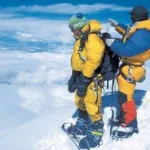
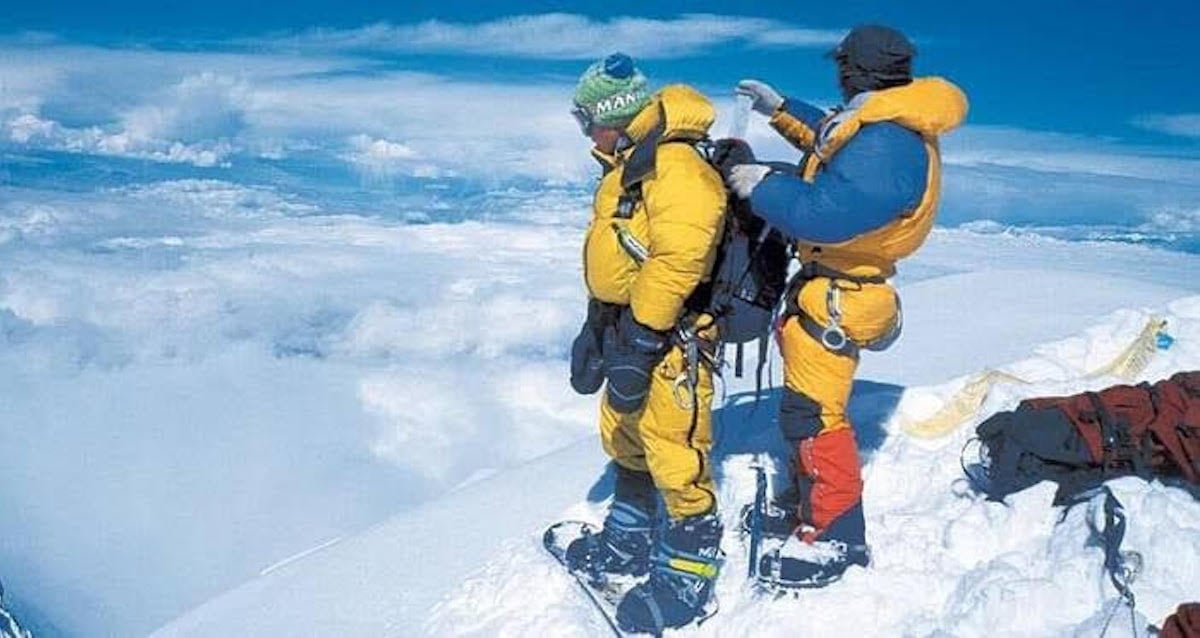
The allure of Everest was undeniable to Siffredi. In 2001, he etched his name in history as the first person to snowboard down its slopes, tackling the treacherous Hornbein Couloir route. This feat cemented his status as a legend, but it also ignited a dangerous fascination with pushing boundaries even further. He returned to Everest in 2002, driven by an insatiable thirst for adventure despite warnings from Sherpas about perilous weather conditions. On September 8th, he embarked on his second attempt, disappearing into the unforgiving embrace of the mountain.
The ensuing mystery surrounding Marco Siffredi’s death has captivated imaginations ever since. Sherpas claimed to have seen a lone figure snowboarding down the Hornbein Couloir, believed to be Siffredi himself. But upon reaching the area, they found no tracks leading to his potential descent route. His body was never recovered, leaving behind a void filled with speculation and unanswered questions. Some believe he succumbed to the harsh conditions of Everest, collapsing from exhaustion or caught in an avalanche. Others whisper that he may be living a secluded life in Tibet, having successfully completed his daring descent.
A Life Dedicated to Adventure
Marco Siffredi’s life was a testament to the thrill of pushing boundaries and embracing the unknown. From a young age, he displayed an insatiable curiosity for adventure, always seeking out new challenges that pushed him beyond his comfort zone. His early years were spent exploring the rugged French Alps, where he honed his skills as a snowboarder and mountaineer, developing a deep respect for the power and beauty of nature.
His passion for adventure wasn’t confined to the slopes. Siffredi was drawn to the thrill of exploration in all its forms. He embarked on expeditions around the world, scaling towering peaks, navigating treacherous glaciers, and embracing the challenges that came with venturing into uncharted territory. This sense of wanderlust fueled his desire to conquer Everest, an ambition that ultimately led him to become a legend in the realm of extreme sports.
Siffredi’s daring spirit wasn’t simply about physical prowess; it was a reflection of his unwavering belief in pushing human limits and defying perceived boundaries. He viewed each challenge as an opportunity for growth and self-discovery, constantly striving to expand his horizons and leave behind a legacy that inspired others to embrace the unknown, reminding us all that life is meant to be lived audaciously.
The Everest Challenge
Everest loomed as a colossal challenge for any adventurer, its towering peak shrouded in mystery and unforgiving conditions. For Marco Siffredi, it wasn’t just another mountain; it was the ultimate test of human resilience and a chance to etch his name into the annals of mountaineering history. He dreamed of conquering this giant, not on foot, but on a snowboard, a feat that had never been accomplished before.
The Hornbein Couloir, the route Siffredi chose for his descent, was infamous for its treacherous conditions and steep slopes. It demanded meticulous planning, unwavering determination, and a deep understanding of the mountain’s volatile nature. Siffredi meticulously prepared for this monumental undertaking, studying weather patterns, assessing the risks, and honing his skills to perfection. Despite warnings from experienced Sherpas about potential avalanches and unpredictable weather during his second attempt in 2002, Siffredi felt an irresistible pull towards this daunting challenge.
His decision to proceed on September 8th marked a turning point in his journey, one that would forever be etched in the annals of Marco Siffredi’s death. He disappeared into the unforgiving embrace of the mountain, leaving behind a trail of intrigue and unanswered questions that continue to captivate adventurers and armchair explorers alike.
 The intriguing history of the discovery of X-rays
The Disappearance on September 8th, 2002
September 8th, 2002 dawned crisp and clear on Mount Everest. The air crackled with a sense of anticipation as Marco Siffredi prepared for his second attempt to snowboard down the treacherous Hornbein Couloir. He had meticulously planned this descent, aware of the risks but driven by an unyielding determination to conquer the mountain’s formidable slopes. This day would become a pivotal moment in his story, one shrouded in mystery and speculation.
Siffredi set off into the unforgiving terrain, his snowboard carving its way across the snow-covered expanse. As he ascended the couloir, the sheer scale of Everest pressed down upon him, a constant reminder of the power and fragility of life on this majestic peak. Meanwhile, Sherpas monitoring his progress from base camp anxiously awaited news of his descent. Their silence grew into concern as hours passed with no sign of Siffredi’s return.
The silence was broken by a fleeting glimpse – a lone figure snowboarding down the couloir, whom they believed to be Siffredi. Hope surged through them, only to be dashed when they reached the area and found no tracks leading from his supposed descent route. The mystery deepened as Siffredi vanished without a trace, leaving behind only unanswered questions and an enduring sense of unease that would forever mark the disappearance on September 8th, 2002.
Theories and Speculation
The absence of any definitive evidence surrounding Marco Siffredi’s disappearance has fueled a torrent of theories and speculation, each attempting to piece together the puzzle of what truly transpired on that fateful day. Some believe that he succumbed to the harsh conditions of Mount Everest, overcome by exhaustion or caught in a sudden avalanche. The unforgiving nature of the mountain is well-documented, capable of swallowing even the most experienced climbers with ruthless efficiency. Others posit that Siffredi skillfully navigated the treacherous descent and emerged safely on the other side, choosing to live a secluded life in Tibet, far from the prying eyes of the world.
The allure of this theory lies in its defiance of conventional wisdom, suggesting a daring escape from the confines of societal norms. Perhaps Siffredi sought solace in anonymity, finding peace and fulfillment amidst the vastness of the Himalayas. Yet, without any concrete proof to support this claim, it remains firmly within the realm of speculation. The mystery surrounding his fate continues to intrigue adventurers and armchair detectives alike, prompting endless discussions and debates about what truly happened on that fateful day.
The lack of closure has solidified Siffredi’s legend, transforming him into a captivating enigma. He embodies the spirit of adventure, reminding us that the pursuit of our dreams can lead us to both extraordinary heights and uncharted territories where truth and fiction often blur.
Searching for Answers in the Himalayas
The vast and rugged landscape of the Himalayas has become a focal point in the ongoing search for answers surrounding Marco Siffredi’s disappearance. His last known location on Mount Everest sits amidst towering peaks and treacherous slopes, making any physical investigation a daunting task. Expeditions have ventured into the region, combing through the unforgiving terrain, hoping to uncover any trace of Siffredi or his snowboard. But the relentless winds, avalanches, and sheer scale of the mountain continue to present formidable obstacles.
Despite these challenges, hope persists that some tangible clue might emerge from the icy embrace of Everest. Local sherpas, seasoned climbers with intimate knowledge of the region’s treacherous terrain, contribute valuable insights into potential search areas and hidden trails. Their expertise is crucial in navigating this unforgiving landscape, while their deep respect for the mountain fuels a determination to honor Siffredi’s memory by unraveling the mystery that surrounds his disappearance.
The quest for answers in the Himalayas has transcended a simple search for a missing person. It has become a testament to human resilience and the enduring power of hope. Each expedition represents a renewed effort to connect with the mountain, seeking solace and closure amidst its breathtaking beauty and unforgiving nature.