The Cecil Hotel, standing tall in downtown Los Angeles, has long been a subject of fascination and fear. Built in 1924, its history is interwoven with tales of tragedy, crime, and the unexplained. Over the decades, it’s garnered a reputation as one of the most haunted places in the city, attracting both curious visitors and true crime enthusiasts. But beneath the macabre allure lies a complex story of societal shifts, economic hardship, and the human capacity for darkness.
While some might dismiss its notoriety as mere sensationalism, the Cecil Hotel’s past offers a chilling glimpse into a darker side of Los Angeles history. It served as a refuge for those on the fringes of society, attracting individuals struggling with poverty, addiction, and mental illness. Sadly, this vulnerability often left them exposed to violence and exploitation, contributing to its association with unsolved murders and mysterious deaths.
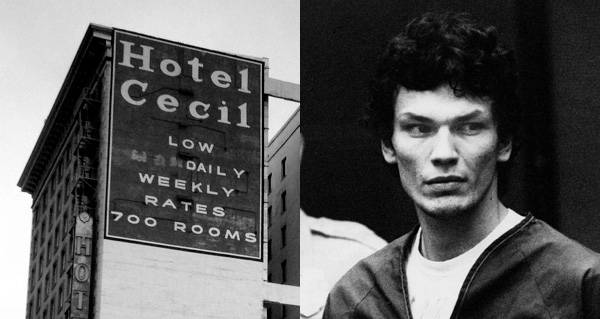
The hotel’s notoriety reached new heights when infamous serial killers like Richard Ramirez (“The Night Stalker”) and Jack Unterweger called it home during their killing sprees. These events cemented the Cecil Hotel’s place in popular culture, spawning countless books, documentaries, and even a Netflix series that delved into its unsettling past. To this day, many still wonder about why is the cecil hotel famous and whether its dark legacy will ever truly fade.
The Early Years: Construction & Initial Reputation
Rising from the heart of downtown Los Angeles in 1924, the Cecil Hotel initially presented itself as a beacon of modern luxury. Designed by architect S. Charles Lee, its Beaux-Arts style boasted ornate details and spacious rooms, catering to a clientele seeking comfort and affordability. At the time, it was known as a haven for transient travelers, offering a convenient home base for those navigating the bustling city.
However, even in its early years, the Cecil Hotel began to attract a diverse range of residents, some with more complex stories than others. The hotel’s proximity to Skid Row and other areas grappling with poverty and homelessness meant that individuals seeking refuge from hardship often found themselves within its walls. While it was never explicitly marketed as a “cheap” hotel, its rates were attractive to those on tighter budgets, making it a haven for the city’s less fortunate population.
This evolving demographic would foreshadow when was the Cecil Hotel built, the trajectory of the Cecil Hotel’s reputation. As time marched on, its welcoming facade began to mask a darker underbelly, with tales of violence and despair slowly eclipsing its initial grandeur.
A History of Darkness: Murders and Suicides
The Cecil Hotel’s history is tragically marked by a disturbing number of deaths, both violent and unexplained. From the 1930s onward, reports of suicides, homicides, and disappearances began to surface, casting a long shadow over its past. The grim reality was that the hotel became a place where desperation and tragedy often intertwined.
Many of these cases remain unsolved, adding to the Cecil Hotel’s air of mystery and intrigue. The building’s reputation as a magnet for troubled individuals undoubtedly played a role in this unsettling pattern. Guests struggling with mental health issues, addiction, or poverty sometimes found themselves trapped in a cycle of despair, unable to escape the darkness that seemed to permeate the hotel’s very walls.
These tragedies fueled widespread fear and speculation, solidifying the cecil hotel murders as a recurring theme in its narrative. The sheer volume of deaths, coupled with the often-unsettling circumstances surrounding them, cemented the Cecil Hotel’s place as one of Los Angeles’ most infamous landmarks, forever linked to the darker aspects of human experience.
 Inbred King Charles II: The Habsburg Dynastys Tragic End
Infamous Guests: Richard Ramirez, Jack Unterweger & The Black Dahlia
The Cecil Hotel’s dark history has been amplified by the presence of some truly infamous guests. Serial killers Richard Ramirez (“The Night Stalker”) and Jack Unterweger both resided there during their horrifying killing sprees, making the hotel a chilling backdrop to their crimes. Ramirez’s reign of terror in Los Angeles during the 1980s left countless victims in its wake, while Unterweger, an Austrian serial killer, used the Cecil as a base for his own murderous activities after being released from prison.
Perhaps even more haunting is the connection to unsolved cases like The Black Dahlia. Elizabeth Short, whose brutal murder shocked Los Angeles in 1947, was last seen at the Cecil Hotel before her tragic demise. While there’s no definitive proof that she was murdered within its walls, the hotel’s association with this infamous case has only deepened its mystique.
These high-profile cases cemented why is the cecil hotel famous as a hub for true crime fascination. The fact that such notorious individuals chose the Cecil as their temporary home serves as a chilling reminder of the darkness that can lurk beneath seemingly ordinary facades.
Recent Deaths and Ongoing Mystery
The Cecil Hotel’s reputation for tragedy continued into the 21st century. In 2013, Canadian student Elisa Lam’s death cast a fresh shadow over the building. Her body was found in a water tank on the hotel’s roof, and the circumstances surrounding her death remain unsolved, fueling further speculation about the hotel’s sinister nature. This tragic event led to renewed scrutiny of the Cecil Hotel, prompting questions about safety standards and the need for improved building security.
Despite attempts to rebrand as Stay On Main Hotel and later undergo renovations for an upscale boutique hotel, the Cecil Hotel’s dark history continues to linger. The 2013 death of Elisa Lam served as a stark reminder that some wounds run deep, and the hotel’s past refuses to be easily erased.
Whether it’s a product of genuine paranormal activity or simply a case of confirmation bias, the perception of the Cecil Hotel as haunted persists. This enduring fascination with the cecil hotel history speaks to our inherent desire to understand the unknown and grapple with the darkness that sometimes resides within the seemingly ordinary.
The Cecil’s Enduring Legacy
The Cecil Hotel’s legacy is a complex tapestry woven from threads of tragedy, mystery, and social commentary. While its attempts to shed its dark past have been met with mixed success, the hotel remains inextricably linked to its unsettling history. The numerous deaths, unsolved cases, and infamous residents have cemented its place in popular culture as a symbol of urban decay, societal vulnerability, and the enduring power of human darkness.
Despite undergoing renovations and rebranding efforts, the Cecil Hotel continues to evoke strong reactions from visitors and onlookers alike. Some remain drawn to its eerie allure, seeking glimpses into its dark past or hoping to experience the supernatural phenomena often associated with it. Others view it with a sense of unease, recognizing the enduring weight of the tragedies that have unfolded within its walls.
Ultimately, the cecil hotel murders, suicides, and unsolved mysteries serve as a reminder of the fragility of life and the complex interplay between societal structures, individual struggles, and the capacity for both good and evil. The Cecil Hotel’s story is a cautionary tale, urging us to confront the shadows that lurk beneath the surface of everyday life and to strive for a more compassionate and equitable world where such darkness finds no foothold.