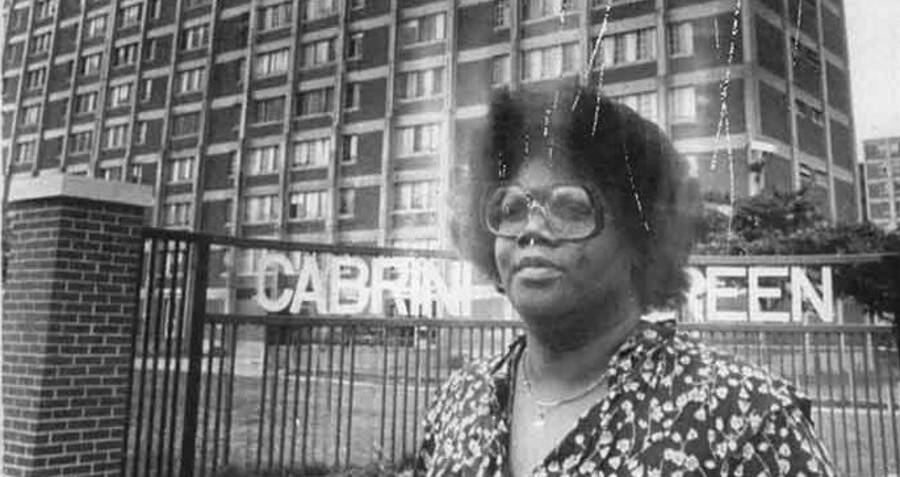
Chicago’s Cabrini-Green stands as a poignant reminder of how even the best intentions can spiral into hardship. Initially envisioned as a beacon of hope for working-class African Americans, offering safe and affordable housing, it tragically became synonymous with urban decay and despair. This wasn’t due to a lack of effort; many residents found genuine comfort and community inside Cabrini-Green, where amenities like heating, running water, and indoor sanitation were a stark improvement from the cramped tenements they left behind.
Yet, systemic racism cast a long shadow over these advancements. Redlining, discriminatory housing policies, and limited economic opportunities for Black residents created a cycle of disadvantage that was hard to break. Think about it: even with improved living conditions, many faced an uphill battle simply because of the color of their skin.
This complex interplay of societal structures and individual experiences shaped Cabrini-Green’s trajectory. While the community initially thrived on strong social bonds and resilience, by the 1970s, factors like gang violence, the crack epidemic, and dwindling job prospects pushed it further into crisis. The media, often sensationalizing crime within its walls, contributed to a negative perception of Cabrini-Green that ultimately solidified its image as a symbol of urban decline.
A Vision for Affordable Housing
The story of Cabrini-Green begins with a noble aspiration: providing safe and affordable housing for working-class African Americans in Chicago. Back in the 1940s, as America grappled with its legacy of segregation and racial injustice, there was a growing need for decent, accessible homes for Black families who were often excluded from white neighborhoods. Cabrini-Green emerged as a symbol of this hope, a planned community designed to uplift and empower a marginalized population.
The project aimed to create a self-sufficient neighborhood with modern amenities like kitchens, bathrooms, and laundry facilities—features that were often absent in overcrowded and dilapidated tenements. It wasn’t just about bricks and mortar; Cabrini-Green was envisioned as a place where families could thrive, build communities, and access opportunities denied to them elsewhere. Of course, the reality of life inside Cabrini-Green proved far more complex than its initial vision.
The dream of affordable housing became tangled with the harsh realities of systemic racism, redlining policies that excluded Black residents from loans and investments, and limited economic opportunities within segregated communities.
Challenges Stemming From Systemic Racism
While Cabrini-Green promised a fresh start, the shadow of systemic racism loomed large over its residents’ lives. Imagine trying to build a stable future when you face constant barriers simply because of your race. That was the reality for many families living inside Cabrini-Green. Redlining, a discriminatory practice that denied Black residents access to loans and mortgages, made it incredibly difficult to buy homes or even start businesses in predominantly white neighborhoods.
This segregation wasn’t just about geography; it also meant limited access to quality education, job opportunities, and healthcare—all crucial ingredients for upward mobility. The lack of investment in Black communities perpetuated a cycle of poverty and dependence, making it harder for residents to escape the confines of Cabrini-Green.
These discriminatory policies weren’t isolated incidents; they were deeply embedded within the fabric of American society, shaping everything from housing patterns to economic opportunities. For Cabrini-Green residents, this meant facing a constant uphill battle against forces beyond their control—a struggle that chipped away at their dreams and aspirations.
Life in Cabrini-Green: Community and Resilience
Despite the challenges they faced, the residents of Cabrini-Green built a vibrant community filled with resilience and mutual support. Think about it: amidst the limitations imposed by poverty and prejudice, these families found ways to create a sense of belonging, sharing joys and sorrows, and looking out for one another. They organized block parties, created communal gardens, and fostered a strong network of support that helped them navigate difficult times.
There was a palpable sense of pride in Cabrini-Green, a shared identity forged through collective experiences and unwavering determination. Many residents found solace in their churches, community centers, and arts programs. These spaces became beacons of hope, offering opportunities for self-expression, cultural exchange, and a sense of purpose beyond the constraints of their physical environment.
Life wasn’t easy, but the bonds of community provided strength and resilience. Families helped each other raise children, shared resources when times were tough, and celebrated life’s milestones together—creating a tapestry of human connection that defied the odds stacked against them.
The Decline of a Once-Hopeful Haven
The 1970s marked a turning point for Cabrini-Green, ushering in an era of unprecedented hardship and despair. A confluence of factors, including the crack cocaine epidemic, soaring unemployment rates, and escalating gang violence, plunged the community into chaos. Opportunities that had once seemed within reach began to evaporate, leaving many residents trapped in a cycle of poverty and hopelessness.
The media, often sensationalizing crime within Cabrini-Green, contributed to a distorted perception of the neighborhood, portraying it as a dangerous haven for drug dealers and criminals. This negative portrayal further stigmatized residents, exacerbating existing prejudices and hindering efforts to address the root causes of the community’s struggles.
It was a time when hope seemed to dwindle with every passing day, replaced by fear, despair, and a growing sense that Cabrini-Green was beyond salvation. The once-vibrant community, built on resilience and mutual support, found itself teetering on the brink of collapse.
Repercussions and Lasting Impact
The demolition of Cabrini-Green in the late 1990s left a lasting impact on Chicago and beyond. While some argued that it was necessary to clear out blight and create space for redevelopment, many critics saw it as a tragic failure of public housing policies. Thousands of residents were displaced, forced to leave behind the only community they had ever known. This displacement often came with significant consequences, including increased homelessness, mental health challenges, and a disruption of social networks that had provided crucial support systems for years.
The legacy of Cabrini-Green serves as a stark reminder of the complexities surrounding urban poverty and housing inequality. It highlights the urgent need to address systemic racism and invest in marginalized communities, creating opportunities for upward mobility and genuine economic empowerment. We can learn from the mistakes made at Cabrini-Green by prioritizing community engagement, affordable housing options, and comprehensive social programs that truly uplift and empower residents.
The story of Cabrini-Green is a powerful testament to the resilience of the human spirit, but also a cautionary tale about the devastating consequences of neglecting the needs of vulnerable populations.