We often hear stories about pioneers and westward expansion, but there’s another side to this historical period. It’s a story of courage and resilience, of resistance against the encroaching tide of settlers. This is the story of famous Indian warriors who fought fiercely to protect their land, their cultures, and their way of life.
Think about it: these weren’t just battles for territory; they were fights for survival, for the very essence of what it meant to be Native American. Facing overwhelming odds, broken treaties, and relentless pressure, Indian warriors stood their ground with unwavering determination. Their bravery wasn’t born from a thirst for conquest, but from a deep love for their homes and a commitment to preserving their heritage.
This article delves into the lives of these remarkable figures, highlighting their strategic brilliance, their unwavering spirit, and their lasting impact on American history. You’ll encounter names like Sitting Bull, a legendary Lakota leader known for his tactical acumen and role in pivotal conflicts, and Geronimo, a fierce Apache warrior who waged a relentless campaign against U.S. forces.
Facing Westward Expansion
The westward expansion of the United States in the 19th century brought immense upheaval to Native American communities. As settlers pushed further west, they encroached upon ancestral lands and disrupted traditional ways of life. Treaties were often made and then broken, leaving Indian warriors with little choice but to take up arms in defense of their homes and cultures.
Imagine yourself in their shoes: facing relentless pressure from a powerful nation determined to claim your land. It wasn’t just about territory; it was about the very survival of their people, their languages, and their spiritual beliefs. The conflict wasn’t simply a clash of armies; it was a struggle for identity, for the right to exist as they always had.
And yet, despite facing overwhelming odds, great Indian warriors like Sitting Bull and Geronimo demonstrated incredible courage and strategic brilliance. They used guerilla tactics, their knowledge of the land, and their deep connection to their communities to challenge the expansionists and fight for their rights. It was a testament to their unwavering spirit and a powerful reminder of the human cost of westward expansion.
Sitting Bull: A Leader on the Battlefield
Sitting Bull wasn’t just a warrior; he was a visionary leader who understood the importance of unity and resistance in the face of encroaching settlers. A prominent figure among the Hunkpapa Lakota tribe, Sitting Bull rose to prominence during a time of immense upheaval. His strategic brilliance shone through in his ability to unite various tribes against a common enemy, recognizing that strength lay in collaboration rather than isolation.
He wasn’t just skilled on the battlefield; he was also a spiritual leader who deeply understood the significance of preserving Lakota traditions and ways of life. Sitting Bull believed in diplomacy whenever possible but never shied away from armed resistance when necessary. His leadership during pivotal conflicts, like the Battle of the Little Bighorn, cemented his place as one of the most celebrated famous Indian warriors in history.
His courage and determination inspired countless others, demonstrating that even against overwhelming odds, it was possible to stand up for what you believed in. Sitting Bull’s legacy continues to resonate today, reminding us of the power of resistance and the importance of honoring Indigenous cultures.
Geronimo’s Unwavering Resistance
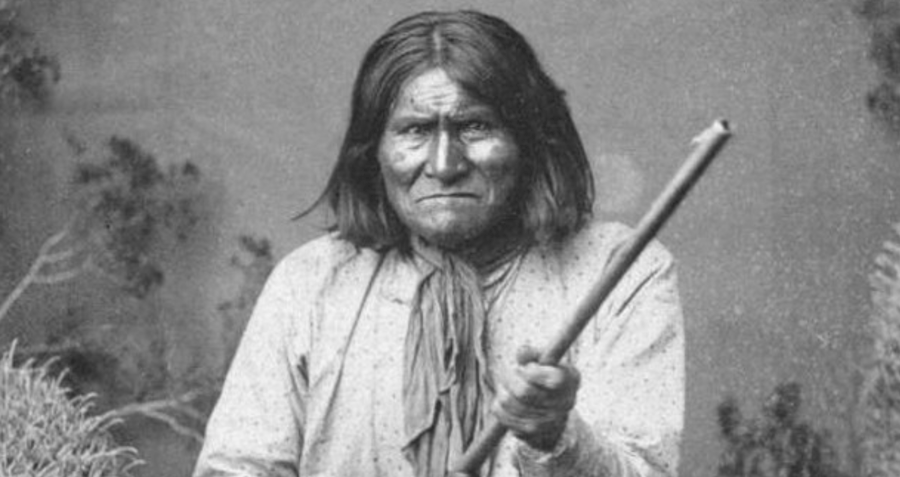
Geronimo’s name is synonymous with resistance. This Apache warrior wasn’t just fighting for land; he was fighting for his people’s very existence. He led a long and arduous campaign against the U.S. Army, utilizing his intimate knowledge of the Arizona terrain to outmaneuver his pursuers. Imagine being hunted relentlessly, forced to abandon your home, and yet refusing to give up on your culture and traditions. That was Geronimo’s reality.
His resistance wasn’t born from aggression but from a deep love for his people and a fierce determination to protect them. He understood that every battle, every raid, every act of defiance was a testament to the Apache spirit, their unwavering commitment to survival. Geronimo became a symbol of hope and resilience for many Native Americans facing similar hardships.
Though ultimately defeated, great Indian warrior Geronimo’s legacy is one of courage, cunning, and an unyielding dedication to his people. His story reminds us that even in the face of overwhelming odds, it’s possible to fight with dignity, honor, and unwavering commitment to what you believe in.
Treaty Betrayals and Cultural Preservation
The tragic story of westward expansion is often intertwined with broken treaties and the systematic erosion of Indigenous cultures. Treaties were meant to be agreements between nations, but for many Native American tribes, they became instruments of manipulation and control.
Land promises were frequently disregarded, forcing tribes onto reservations that were often barren and inadequate. Their traditional ways of life, their languages, religions, and ceremonies were suppressed, as the government sought to assimilate them into mainstream American culture. Think about it: being forced to abandon your ancestral home, lose your language, and adopt a completely different way of life – it’s a profound loss that scars generations.
Despite these immense challenges, Indian warriors and their communities fiercely resisted cultural assimilation. They held onto their traditions through storytelling, ceremonies, and the transmission of knowledge from elders to younger generations. Their unwavering commitment to preserving their heritage serves as a powerful reminder of the human spirit’s resilience in the face of adversity.
Remembering Indigenous Warrior Courage
It’s crucial to remember that the history of westward expansion is not simply a story of American progress; it’s also a story of immense loss and injustice for Native American communities. The courage displayed by famous Indian warriors like Sitting Bull and Geronimo should be recognized and celebrated, not just as military accomplishments, but as acts of profound resistance against oppression.
Their stories remind us that true strength lies in fighting for what you believe in, even when the odds are stacked against you. They fought to protect their land, their cultures, and their way of life – values that deserve our respect and admiration.
By acknowledging their sacrifices and remembering their bravery, we can move towards a more inclusive and just understanding of American history. Their legacy is a powerful reminder that even in the face of adversity, it’s possible to fight for what’s right with courage, dignity, and unwavering determination.