Have you ever wondered how ancient civilizations communicated across vast distances without modern technology? They turned to the skies! Smoke signals, a surprisingly effective communication method, played a crucial role in connecting communities for centuries. This intriguing practice relied on simple tools and a bit of ingenuity, transforming everyday fire into a powerful language.
Think about it: smoke is visible for miles, carrying your message far beyond the reach of human voice. How to send smoke signals became a vital skill passed down Through Generations, allowing communities to warn each other of danger, Signal Troop Movements, or even celebrate important events. Today, while technology has largely replaced this Ancient Method, understanding its principles offers a fascinating glimpse into our historical past and the ingenuity of our ancestors.
Let’s embark on a journey back in time to explore the secrets Behind Sending Smoke Signals, learning about the materials used, the techniques employed, and the impact it had on Shaping Early Societies.
Building The Fire
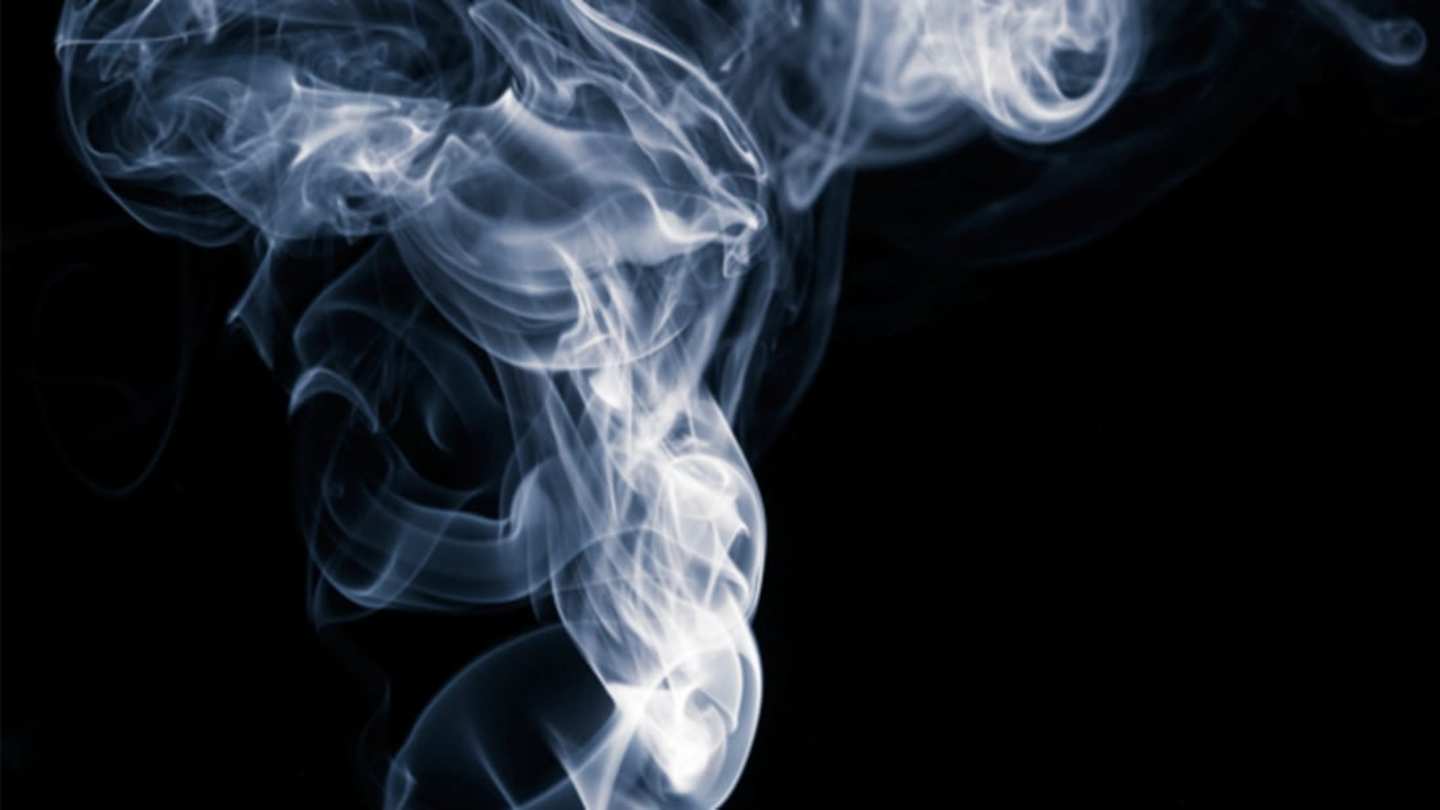
The foundation of any successful smoke signal lies in building a fire that produces thick, Billowing Smoke. It’S Not Your Average Backyard barbecue! You want to create a roaring blaze with plenty of heat and intensity to generate those powerful puffs we need for communication.
Start by gathering tinder – easily flammable materials like dry grass, leaves, or even bird nests – to ignite the initial spark. Gradually introduce progressively heavier fuel like twigs, branches, and logs as your fire grows stronger. Remember, Bigger Flames Mean More smoke! To further enhance the smoke production, incorporate a bundle of green sticks and damp grass into your fire. The moisture will create steam as It Burns, adding extra volume and density to the smoke plume.
Keep in mind, the type of wood you choose can also influence the color and intensity of your smoke. Hardwoods tend to produce denser smoke Than Softwoods.
Generating Smoke Signals
Now that you have a roaring Fire Going Strong, it’s time to turn your attention to the heart of smoke signaling: generating those distinct puffs of smoke. This is where things get truly fascinating! Imagine holding a conversation using only puffs of white smoke against the backdrop of a clear blue sky.
The technique involves strategically controlling the flow of oxygen to your fire. Douse your bedroll with water and place it over the flames until the smoke ceases entirely. Think of this as temporarily smothering the fire, creating a build-up of potential energy. Quickly remove the blanket, allowing the pent-up heat and gases to erupt in a single white puff of smoke. Replace the blanket immediately after to Create Another Signal Puff. Repeat this process to spell out your message!
Timing is crucial here. Each puff represents a letter or symbol in your coded language. Practice makes perfect, so experiment with different durations and intensities of smoke puffs to see how they appear from a distance.
 Marbles: A History of Mibs From Ancient Games to Modern Toys
Decoding Smoke Messages
So you’ve learned to send smoke signals – impressive! But decoding messages sent this way requires a keen eye and a bit of strategic thinking. It’s like solving a puzzle where the pieces are puffs of white against a vibrant blue sky.
The key is understanding the agreed-upon code used by the sender and receiver. Think of it as their own Secret Language, where each puff may represent a letter, number, or even a specific symbol. You might need to consider factors like the duration, intensity, and color of each smoke signal, as these can all carry additional meaning within the code.
Decoding messages takes practice and patience. Start by observing patterns in the sequence of puffs, noting any variations in their characteristics. Remember, good communication relies on clear understanding – both sending and receiving!
Historical Applications Of Smoke Signaling
Smoke signals weren’t just a cool party trick; they played a vital role in shaping history across various cultures and Time Periods. Imagine a world without telephones or Instant Messaging – communication relied on ingenuity and the elements!
Native American tribes used how to send smoke signals extensively for everything from coordinating hunting parties and alerting neighboring communities of danger to signaling Troop Movements During Battles. They developed sophisticated codes and signal patterns, transmitting messages over vast distances with Remarkable Accuracy. Smoke signals also served as a critical communication tool in ancient China, Greece, and Rome, allowing emperors and generals to maintain Control Over Their Sprawling Empires.
Their impact on history is undeniable, demonstrating the power of simple tools and human ingenuity to connect people across time and space.
Beyond Communication: Modern Uses
While modern technology has largely overtaken smoke signaling for everyday communication, its spirit lives on in some Unexpected Ways. Think about it – We Still Use Visual Signals today!
Traffic lights guide our movement through cities, flares alert rescuers in emergencies, and even simple hand gestures convey Meaning Across Cultures. The principles behind how to send smoke signals have found new life in these modern applications. Some survival experts even recommend learning basic smoke signaling techniques for wilderness situations where other forms of communication might be unavailable.
It’s a reminder that the ingenuity of our ancestors continues to inspire us, proving that sometimes the simplest solutions can be the most effective.