Jacob Riis wasn’t just a photographer; he was a social reformer who used his lens as a weapon against injustice. Arriving in New York City from Denmark in the late 1800s, he found himself drawn to the plight of the city’s poorest residents, those crammed into squalid tenement buildings and exploited by sweatshops.
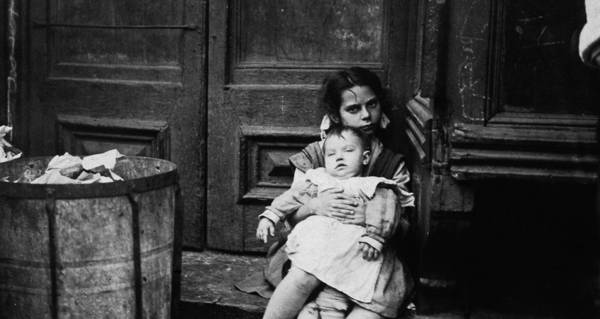
He saw firsthand the desperate conditions they endured – lack of sanitation, rampant disease, and families struggling to survive on meager wages. Driven by a deep sense of empathy, Riis decided to expose these harsh realities to the world. His book, “How the Other Half Lives,” published in 1890, was groundbreaking. With stark, unflinching photographs like those included in Jacob Riis how the other half lives photos, he painted a picture of urban poverty that shocked the nation.
His work wasn’t just about capturing images; it was about telling stories. Each photograph became a window into a life often overlooked and ignored. He humanized the struggles of immigrants, factory workers, and the countless others who faced hardship every day in the city’s underbelly.
Jacob Riis: A Voice for the Voiceless
Riis understood that the most powerful way to change hearts and minds was through empathy. He believed that people needed to see the human cost of poverty, to connect with the individuals behind the statistics. By showcasing their stories through his photographs, he gave a voice to those who often felt unheard and powerless. His work wasn’t just about documenting; it was about advocating for change.
He became a tireless champion for social reform, using his platform to speak out against injustices and call for better living conditions for the city’s poorest residents. He knew that public awareness was crucial, and he worked tirelessly to bring attention to the plight of the urban poor. Riis’ photographs weren’t simply static images; they were a powerful call to action.
He urged his readers to see the suffering around them, to recognize their shared humanity with those living in poverty, and to demand better from their leaders. He believed that every person deserved a chance at a decent life, and he dedicated his life to fighting for that right.
How The Other Half Lives: Exposing Urban Poverty
The impact of “How the Other Half Lives” was immediate and profound. Published in 1890, it shocked the nation with its raw and unflinching portrayal of urban poverty. Riis’ photographs, taken using a then-revolutionary flash technique, illuminated the grim realities of tenement life – cramped, filthy apartments, overflowing garbage, and pervasive disease. He captured scenes of hardship: mothers struggling to feed their children, tired workers returning from long shifts in sweat shops, and families huddled together for warmth in freezing conditions.
The book wasn’t just a visual record; it was a searing indictment of the social inequalities that plagued New York City at the time. Riis used his photographs not only to expose the squalor but also to highlight the human cost of poverty. He showed the resilience, dignity, and hope that persisted even in the face of unimaginable adversity.
His work forced readers to confront uncomfortable truths about their own city and society. It became a catalyst for social change, sparking debate, inspiring reform efforts, and ultimately leading to improvements in housing standards, sanitation, and public health in New York City.
 Today Was A Good Day: Uncovering The Actual Day
Photography as Social Reform
Jacob Riis wasn’t just a talented photographer; he understood the immense power of images to influence public opinion and drive social change. He saw photography not merely as an art form but as a tool for exposing injustice and advocating for the marginalized.
Riis believed that by capturing the harsh realities of poverty through his lens, he could awaken the conscience of the nation and inspire action. His photographs served as irrefutable evidence of the need for reform, transcending words and statistics to create a visceral connection with viewers. Jacob Riis how the other half lives photos became powerful weapons in his arsenal against social apathy. Each image told a story, humanized the struggles of those living in poverty, and demanded attention from those who had the power to effect change. He proved that photography could be more than just capturing moments; it could be a catalyst for positive transformation.
His work paved the way for future generations of photojournalists who used their craft to shed light on social issues, document human suffering, and inspire activism.
Impact and Legacy
The impact of Riis’ work reverberated far beyond the pages of his book. His photographs galvanized public opinion, shocked politicians into action, and ultimately led to significant improvements in living conditions for New York City’s poorest residents. He inspired a wave of social reform, influencing everything from housing codes to sanitation regulations.
His legacy continues to inspire photographers and activists today. How the other half lives photos, taken over a century ago, remain powerful reminders of the enduring struggle against poverty and inequality. They serve as a testament to the transformative power of photography as a tool for social change, reminding us that images can have a profound impact on shaping our understanding of the world and inspiring action to create a more just society.
Riis’ story is a powerful reminder that one person, armed with passion, talent, and a belief in justice, can make a real difference in the lives of others.
Illuminating the Path to Progress
Jacob Riis’ work serves as a beacon, illuminating the path toward progress and reminding us that social change is possible. His willingness to confront uncomfortable truths, his unwavering empathy for the marginalized, and his belief in the power of photography to spark action paved the way for countless reforms and advancements in urban living conditions.
His legacy isn’t just about documenting poverty; it’s about inspiring solutions. He showed that by shining a light on injustice, we can create opportunities for dialogue, understanding, and ultimately, positive change. He challenged his readers to look beyond the surface, to see the humanity behind the headlines, and to recognize their own responsibility in creating a more equitable society.
By bearing witness to suffering and advocating for those who had no voice, Riis demonstrated that photography could be more than just art; it could be a catalyst for progress, a tool for social justice, and an instrument of hope.