The legacy of Adolf Hitler continues to cast a long shadow over the world, and with it comes endless speculation about his family history. While historical records confirm that Hitler and Eva Braun chose not to have children together, whispers persist about a possible secret love child. These rumors, often fueled by anecdotal evidence and blurry photographs, add another layer of complexity to the already intricate tapestry of Hitler’s life.
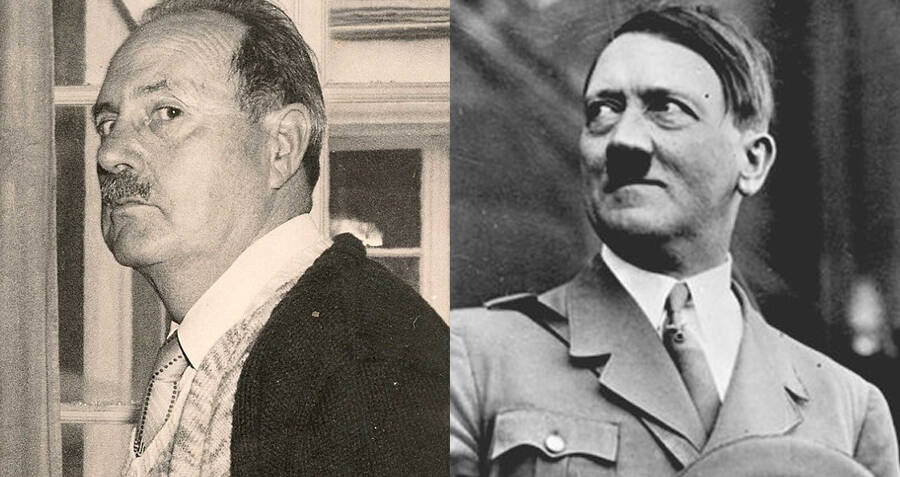
One such claim comes from Jean-Marie Loret, who asserted that he was Hitler’s daughter, citing physical resemblances and financial support allegedly provided by German Army officials to his mother during the war. However, concrete evidence to substantiate these claims remains elusive, leaving historians and genealogists to grapple with the enigma of a potential hidden branch of the Hitler family tree. Regardless of the truth behind Loret’s assertions, there are undeniable living descendants of Hitler through his half-brother Alois Jr.
Their existence serves as a poignant reminder that even the most infamous figures in history leave behind familial ties that extend beyond the confines of their notoriety. These individuals, scattered across continents and grappling with their own complex personal narratives, offer a unique glimpse into the lasting impact of Hitler’s legacy on generations to come.
Hitler’s Daughter Rumors: The Jean-Marie Loret Case
One of the most persistent rumors surrounding Hitler centers on a potential love child named Jean-Marie Loret. This claim emerged decades after the war, adding another layer to the already complex web of narratives surrounding the Nazi leader. Loret, born in 1918, first began making headlines in the 1960s when he publicly declared that Hitler was his father. He presented a compelling case, citing physical similarities between himself and Hitler, particularly in their nose bridge and jawlines, as well as matching handwriting samples.
Loret further bolstered his claim by highlighting alleged payments made to his mother by German Army officials during World War II. He suggested these funds were hush money intended to keep the existence of his parentage under wraps. Despite these assertions, concrete evidence remains elusive, leaving historians and genealogists divided on the validity of Loret’s claims.
His story raises fascinating questions about power, secrecy, and the enduring fascination with Hitler’s personal life. It serves as a reminder that even in the face of overwhelming historical documentation, gaps remain, and alternative narratives continue to emerge, challenging our understanding of the past.
Searching for Evidence: DNA and Historical Records
The quest to uncover the truth behind potential hitler daughters often hinges on a delicate balance between DNA analysis and meticulous examination of historical records. Modern science offers powerful tools to trace familial connections through genetic testing, but ethical considerations surrounding the use of Hitler’s remains present significant challenges. Accessing his DNA directly would require unprecedented permissions and raise complex moral questions about exploiting such sensitive material.
However, studying the DNA of living descendants, particularly those connected through his half-brother Alois Jr., could provide valuable insights into the genetic lineage. Analyzing their DNA profiles in comparison to known samples from other members of the family could potentially reveal patterns suggestive of a shared ancestry with Hitler. This scientific approach, combined with thorough research into birth records, marriage certificates, and personal accounts, offers a more comprehensive understanding of Hitler’s familial connections.
Historians continue to pore over documents, searching for clues that might shed light on any potential hidden branches of the Hitler family tree. These meticulous investigations often involve painstakingly piecing together fragments of information from various sources, such as wartime correspondence, eyewitness testimonies, and even seemingly insignificant personal artifacts. The quest for truth in this area remains a complex and ongoing endeavor, driven by both scientific advancements and the enduring human desire to unravel historical mysteries.
 The intriguing history of the discovery of X-rays
Descendants Through Alois Jr.: A Separate Lineage
While the rumors surrounding a secret hitler’s daughters continue to swirl, there is no denying the existence of living descendants connected through Hitler’s half-brother Alois Jr. This distinct lineage offers a glimpse into a different facet of Hitler’s family history, one that exists outside the realm of speculation and conspiracy theories. These individuals, scattered across various countries, carry within them the genetic legacy of Hitler’s paternal side, albeit separated by several generations.
Through meticulous genealogical research, historians have identified several prominent descendants of Alois Jr., including Peter Raubal and Heiner Hochegger in Austria, as well as Alexander, Louis, and Brian Stuart-Houston in New York. These individuals represent a tangible link to Hitler’s past, offering a unique perspective on the complexities of family inheritance and the lasting impact of historical events.
Their stories highlight the human element often overlooked when discussing figures like Hitler. Despite their familial connection to one of history’s most infamous dictators, they are individuals with their own lives, experiences, and choices. Some have chosen to embrace their heritage, while others have actively sought to distance themselves from it.
Breaking the Chain: The Stuart-Houston Brothers
Among the descendants of Alois Jr., the Stuart-Houston brothers stand out for their deliberate decision to break ties with their familial connection to Hitler. Alexander, Louis, and Brian, based in New York, have consistently chosen to distance themselves from the notoriety that comes with being related to one of history’s most infamous figures. Their actions represent a conscious effort to forge their own identities separate from the shadow of Hitler’s legacy.
The brothers have spoken openly about the complexities they face as members of this unique family lineage. They acknowledge the inherent burden of carrying such a weighty historical connection but emphasize their desire to live lives defined by their own values and choices, rather than being forever bound by the actions of a distant relative. Their decision not to have children further underlines their commitment to severing the hitler’s daughters, as it were, from future generations, choosing instead to create a clean break with the past.
This deliberate act of distancing themselves underscores the power individuals possess to shape their own narratives and rewrite their own destinies, even in the face of overwhelming historical context. It serves as a poignant reminder that even within complex family trees, there exists the possibility for agency and the ability to choose one’s path.
The Legacy of a Dictator’s Bloodline
The existence of living descendants through Hitler’s half-brother Alois Jr., coupled with the enduring rumors surrounding potential secret children, raises profound questions about the legacy of a dictator and its impact on future generations. While these individuals may strive to forge their own identities separate from their familial connection to Hitler, they inevitably carry the weight of his actions and the historical context that defines him.
The very notion of a hitler’s daughters, or even distant relatives unknowingly carrying within them his genetic legacy, highlights the ways in which history continues to shape our present lives. It serves as a reminder that the reverberations of past events can extend far beyond their immediate timeframe, influencing the lives of individuals who were born long after the initial historical turning points. This complex interplay between personal narratives and collective memory underscores the enduring power of history to shape our understanding of ourselves and the world around us.
Ultimately, exploring these familial connections provides a unique lens through which to examine the complexities of legacy, identity, and the lasting impact of historical figures on the generations that follow. It invites us to consider not only the actions of individuals but also the ripple effects those actions create throughout history, shaping the lives of countless individuals both directly and indirectly.