Gary, Indiana, once a vibrant industrial powerhouse fueled by the steel industry, presents a poignant case study of decline and resilience. At its peak in the early to mid-20th century, the city thrived as a center for steel production, attracting waves of workers seeking opportunity and prosperity. This period witnessed an unprecedented influx of residents, transforming Gary into a bustling metropolis with a thriving cultural scene and a promising future.
However, the tides began to turn dramatically in the 1970s. Increased foreign competition, coupled with technological advancements that automated production processes, severely impacted the steel industry. This economic downturn triggered mass layoffs, leaving countless families devastated and contributing to a significant population exodus. The once-booming city gradually descended into a state of decline, marked by widespread abandonment of buildings, rising crime rates, and persistent poverty.
Despite these challenges, Gary’s spirit has not been entirely extinguished. In recent years, the city has shown signs of revival through various initiatives aimed at revitalization.
The Rise and Fall of Gary’s Steel Industry
The backbone of Gary’s identity and prosperity for decades was undoubtedly its steel industry. From the early 20th century onward, massive mills churned out tons of steel, fueling national infrastructure projects and driving economic growth. The city became synonymous with hard work, blue-collar pride, and a thriving middle class. The smell of molten iron permeated the air, a constant reminder of Gary’s industrial might.
However, this era of dominance was not destined to last. By the 1970s, global economic shifts began to take their toll. Increased competition from foreign steel producers and advancements in automation threatened to erode Gary’s competitive edge. Layoffs became commonplace, shattering families and communities that had long relied on the stability of the steel industry. The once-vibrant cityscape gradually faded as mills shut down and unemployment soared.
The decline of Gary’s steel industry was a complex tragedy, a stark reminder of how economic forces can reshape entire cities overnight.
Deindustrialization and Its Impact on Gary
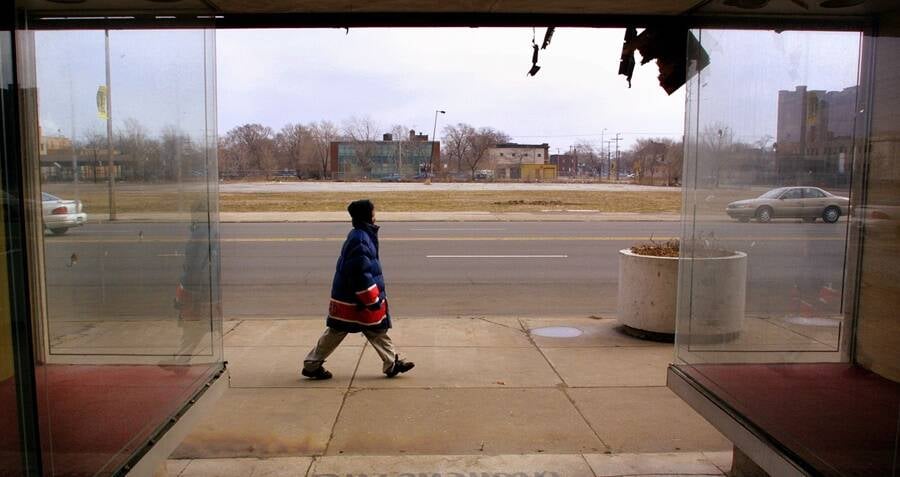
The exodus of industry from Gary left a gaping wound in the city’s economic and social fabric. Deindustrialization, the process of decline in industrial activity, swept through Gary like a relentless storm, leaving behind a trail of abandoned factories, unemployment, and disillusionment. The once-thriving neighborhoods that had been built around the steel mills became desolate landscapes, their homes boarded up and their streets eerily quiet.
This mass unemployment and economic hardship fueled a vicious cycle of poverty and crime. Limited opportunities for education and employment pushed many residents into desperate situations, leading to an increase in social unrest and gang violence. The exodus of families further depleted the tax base, making it difficult for the city to provide essential services like healthcare, education, and public safety.
The legacy of deindustrialization continues to challenge Gary today, but the city’s spirit remains undimmed. Resilience in the face of adversity has become a defining characteristic of Gary’s residents, who are determined to rebuild their community and reclaim its former glory.
 Gulf of Tonkin Fake: The Lie That Ignited the Vietnam War
Resilience Efforts and Challenges in Modern Gary
Despite the formidable challenges it faces, Gary hasn’t given up hope. Residents and community leaders have rallied together to spearhead various revitalization efforts aimed at breathing new life into the city. The Miller Beach Arts & Creative District has emerged as a vibrant hub for artists, musicians, and entrepreneurs, fostering a sense of community and cultural pride. Historic preservation tours attract visitors eager to learn about Gary’s rich past, reminding residents of their city’s enduring heritage.
New developments and investments are slowly transforming the cityscape. A focus on education and workforce development programs aims to equip residents with the skills necessary to thrive in a changing economy. While progress is being made, overcoming the deeply rooted issues that plague Gary remains a long and arduous journey.
The city still grapples with high poverty rates, limited access to healthcare, and persistent racial disparities. Funding for vital infrastructure improvements remains insufficient, hindering efforts to attract new businesses and revitalize struggling neighborhoods. Yet, despite these hurdles, the spirit of resilience persists in Gary. The residents’ unwavering determination to rebuild their community offers a glimmer of hope for a brighter future.
Ghost Town Legacy and the Pursuit of Renewal
The term “ghost town” often lingers in the shadow of Gary’s narrative, a haunting reminder of its bygone prosperity and present-day struggles. While it’s a harsh label, it reflects the stark reality of widespread abandonment and decay that permeates certain parts of the city. Vacant buildings stand as silent witnesses to a time when industries thrived and families flourished. The specter of this lost era continues to shape Gary’s identity, casting a long shadow over its pursuit of renewal.
However, reducing Gary to a mere “ghost town” risks overlooking the tenacity and resilience of its residents. Beneath the surface of decay lies a community that refuses to be defined by its past hardships. The city’s spirit endures in the vibrant arts scene, the determination of entrepreneurs, and the unwavering belief that a brighter future is possible. Residents are actively working to reclaim their neighborhoods, revitalize businesses, and create opportunities for generations to come.
The pursuit of renewal in Gary is a complex and multifaceted endeavor. It requires not only infrastructural improvements but also a concerted effort to address the underlying social and economic inequalities that have plagued the city for decades. The journey toward true revitalization will be long and challenging, but the indomitable spirit of Gary’s residents offers a glimmer of hope that, someday, the ghost town narrative will give way to a story of resilience and rebirth.
A Glimpse into Gary’s Uncertain Future
Looking ahead, the future of Gary remains a tapestry woven with both challenges and possibilities. The city’s economic recovery hinges on attracting new businesses, creating job opportunities, and fostering a vibrant entrepreneurial ecosystem. Investing in education, workforce development, and infrastructure improvements will be crucial to creating a sustainable future for Gary’s residents.
While the specter of Gary Indiana now as a “ghost town” still lingers, it is important to acknowledge the ongoing efforts to revitalize the city. The spirit of resilience that permeates Gary’s community offers a beacon of hope. The collective determination of residents, coupled with local and national initiatives aimed at economic development and social empowerment, could pave the way for a brighter future.
Only time will tell if Gary can fully overcome its past struggles and emerge as a thriving metropolis once again. But one thing is certain: the city’s history serves as a poignant reminder of the cyclical nature of industrial decline and the enduring human spirit that strives to rebuild in the face of adversity.