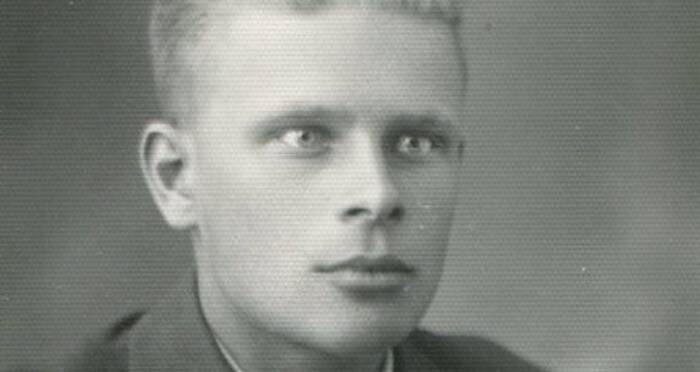
The icy winds of the Arctic Circle carried a chilling tale of survival during World War II. Imagine being stranded in this unforgiving landscape with no food, ammunition, or shelter. This was the reality for Aimo Koivunen, a finnish soldier who found himself facing unimaginable odds after an accidental overdose on Pervitin, a methamphetamine-based stimulant.
Koivunen’s story is one of sheer grit and determination, fueled by a substance that promised superhuman energy but ultimately led him to the brink of exhaustion. While fleeing a Soviet ambush, he consumed 30 pills of Pervitin, a common drug used by Finnish soldiers during the war. The initial rush gave him unnatural stamina as he skied for hundreds of kilometers, encountering unexpected obstacles and dangers along the way. He even managed to survive a landmine explosion!
This extraordinary tale, though fueled by circumstance, sheds light on the desperate lengths soldiers went to during wartime. It also raises questions about the ethics of using performance-enhancing drugs like Pervitin, a drug that would later be known as “pervitin soldier” and linked to both triumphs and tragedies on the battlefield.
Pervitin: A Deadly Weapon In World War II
Pervitin wasn’t just a common drug for soldiers like Aimo Koivunen; it became a tool used by both sides in World War II. This potent methamphetamine-based stimulant was prescribed by the Nazi regime and also found its way into the hands of Allied troops, who were looking for ways to stay awake and combat fatigue during long missions. Imagine being able to push your body beyond its limits, feeling energized even after days without sleep. That’s what Pervitin promised, but it came with a hefty price tag.
While it initially boosted focus and alertness, prolonged use led to severe side effects like paranoia, hallucinations, and ultimately addiction. Soldiers were often unaware of the long-term consequences, driven by the desperate need to survive in the brutal realities of war. Think about the toll this must have taken on their mental and physical health. The scars left by Pervitin extended far beyond the battlefield, haunting soldiers long after the conflict ended.
The widespread use of drugs like Pervitin during World War II serves as a stark reminder of the lengths people will go to in times of extreme pressure. It also highlights the dangers of relying on substances for performance enhancement, even when faced with life-or-death situations. History teaches us valuable lessons about the human cost of war, and the story of Pervitin is a chilling example of how desperate measures can have devastating consequences.
Koivunen’s Accidental Overdose
Imagine being caught in a desperate situation, fleeing for your life from enemy forces. That’s exactly what Aimo Koivunen found himself doing during World War II. While attempting to escape a Soviet ambush deep within the Arctic Circle, he accidentally ingested 30 pills of Pervitin, a powerful methamphetamine-based stimulant commonly used by Finnish soldiers. He thought he was taking just one or two, but in the chaos and confusion of battle, things got mixed up.
Koivunen initially felt an intense surge of energy, his senses heightened and his movements quickened by the drug’s effect. It gave him an unnatural boost, allowing him to outrun the Soviet patrols pursuing him. However, as the Pervitin coursed through his system, it quickly became apparent that he had taken far more than intended.
Blurry vision, dizziness, and a growing sense of disorientation soon took hold. What started as a temporary advantage was rapidly transforming into a perilous situation. Despite this, Koivunen pushed on, driven by pure instinct and the desperate hope of survival. Little did he know that his accidental pervitin soldier experience would lead him on a harrowing journey, testing his limits like never before.
 Salem Witch Trials Abigail: The Role of Abigail Williams
Survival in the Arctic Circle
After his accidental overdose, Koivunen found himself alone in the unforgiving Arctic Circle. He had no food, no ammunition, and the frigid temperatures threatened to sap his already weakened body. But despite the odds stacked against him, he continued skiing for hundreds of kilometers, driven by an unyielding will to survive. Picture this: a lone figure battling the elements, his mind racing with thoughts of escape and the constant fear of being discovered by Soviet patrols.
To stay alive, Koivunen resorted to desperate measures. He subsisted on pine buds and even managed to catch a Siberian jay for sustenance. Imagine the sheer determination it took to endure such harsh conditions, relying on instinct and resourcefulness to overcome every obstacle. His journey wasn’t without its perils. He narrowly avoided landmines, crossed treacherous frozen rivers, and constantly evaded Soviet patrols who were searching for him.
Finally, after crossing over 400 kilometers of unforgiving terrain, Koivunen stumbled upon Finnish territory. He had survived against all odds, his tale becoming a legend among Finnish soldiers who served in the war. His story serves as a testament to the resilience of the human spirit, demonstrating that even in the darkest moments, hope and determination can prevail.
The Extraordinary Journey Home
Koivunen’s journey home wasn’t a simple one. After finally crossing into Finnish territory, he was still severely weakened from his ordeal. Imagine the physical and mental toll of weeks spent in the harsh Arctic environment, battling fatigue, hunger, and exposure to the elements. He had to rely on the kindness of strangers who found him weak and delirious, offering him food and shelter.
His story quickly spread throughout Finland, catching the attention of the public and military officials alike. The tale of a finnish soldier surviving against all odds in the frozen wasteland captured the imagination of the nation. It became a symbol of resilience during a time of war, reminding people of the bravery and determination that resided within their soldiers.
His miraculous return was met with widespread acclaim. Koivunen became a national hero, his story celebrated as a testament to the human spirit’s capacity for survival. He served as an inspiration to many, demonstrating that even in the face of unimaginable adversity, hope could prevail. His extraordinary journey home cemented his place in Finnish history, forever etched in the annals of their wartime experience.
The Price of Amphetamine Warfare
While Koivunen’s story highlights the incredible human capacity for survival, it also serves as a stark reminder of the devastating consequences of amphetamine warfare. The widespread use of drugs like Pervitin during World War II had a profound impact on both soldiers and society as a whole. Imagine the toll this must have taken on their mental and physical health, pushing them to their limits and leaving lasting scars.
Beyond the battlefield, the legacy of pervitin soldier experiences continues to resonate today. The long-term effects of Pervitin use can include addiction, psychosis, heart problems, and other debilitating conditions. Koivunen’s story serves as a cautionary tale, reminding us that while drugs may offer temporary solutions, they ultimately come at a high cost.
It’s crucial to remember that war is not just a physical conflict; it has profound psychological and social ramifications that extend far beyond the battlefield. The use of performance-enhancing drugs like Pervitin during World War II serves as a chilling example of how desperation and the pursuit of victory can lead to unintended consequences with lasting repercussions.
More for curious minds
Unlock extra content and exclusive deals tailored to your interests.