Have you ever wondered about the ancient world before our modern continents took shape? Our planet is a dynamic place, constantly changing over billions of years. The landmasses we know today are just the latest chapter in a long and fascinating story.
Deep within Earth’s history, Colossal Landmasses Formed, only to be broken apart and reformed again and again. These vast continents that no longer exist existed for millions or even hundreds of millions of years before disappearing beneath the waves or merging with Other Landmasses. Think of them as chapters in a geological book, each one telling a unique story about Earth’s ever-Shifting Surface.
Learning about these ancient continents allows us to piece together the puzzle of our planet’s past. It helps us understand how life evolved, how mountains rose and fell, and how the very shape of our world came to be.
Ancient Supercontinents: A Journey Through Time
Imagine vast landscapes stretching across what is now the entirety of Earth’s landmasses. This was the reality during periods When Supercontinents Formed, colossal landmasses that dwarfed any we See Today. These ancient giants were assembled and disassembled over millions of years due To Plate Tectonics, a process of constant movement beneath Our Feet.
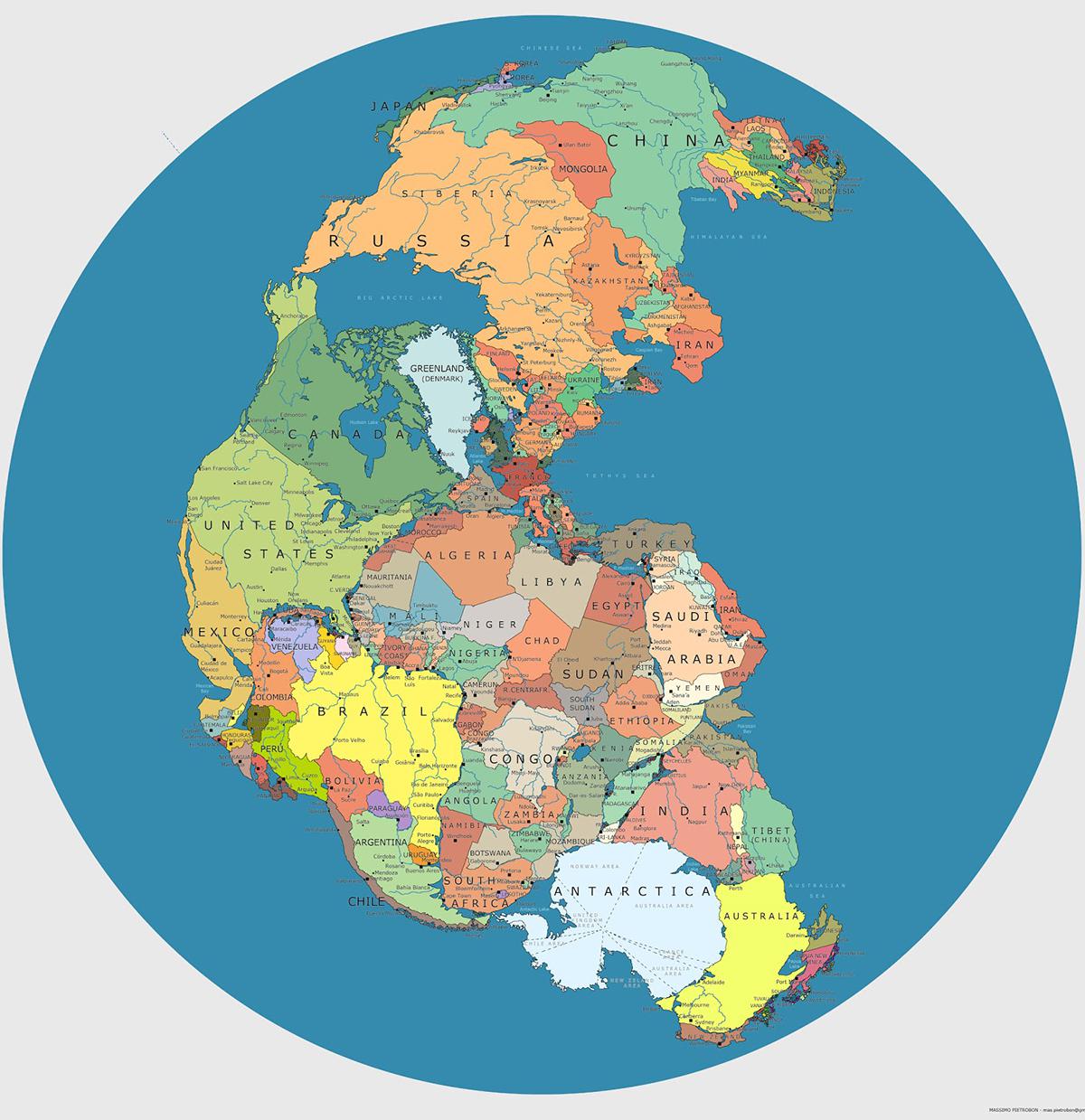
One of these famous supercontinents was Rodinia, Which Existed Around 1.1 Billion Years Ago. It gradually broke apart, giving rise to the continents we know as North America, Europe, and Asia. Then came Pangaea, another supercontinent that assembled about 335 Million Years Ago, encompassing almost all land on Earth. This colossal landmass was home to a diverse range of life forms and lasted for millions of years before splitting apart into two massive continents: Laurasia in the north and Gondwana in the south.
The study of these ancient supercontinents provides valuable insights into Earth’s history. By analyzing geological formations, Fossil Records, and patterns of magnetism preserved in rocks, scientists piece together the puzzle of how these continents that no longer Exist Formed, fragmented, and reformed over time.
The Formation and Breakup of Continents
The Earth’s continents are not static entities; they are constantly in motion, driven by the powerful forces of Plate Tectonics. Imagine the Earth’s outer layer as a giant jigsaw puzzle, with massive pieces called tectonic plates that fit together but can also move and interact with each other.
These plates drift slowly over millions of years, colliding, separating, or sliding past one another. When they collide, they can buckle and fold, Creating Mountain Ranges. When they pull apart, new crust forms at the boundaries, leading to the formation of rift valleys and eventually new ocean basins. This constant movement explains how continents Have Formed, Broken Apart, and reformed over billions of years. The very landmasses we stand on today are the result of this Ongoing Geological Dance. These processes create the diverse landscapes and features we see around the world, from towering mountains to deep ocean trenches.
Over millions of years, these movements have resulted in the formation and breakup of countless continents that no longer exist. They serve as a reminder that our planet is a dynamic and ever-Changing Place, with a rich history etched into Its Very Bedrock.
The Legacy of Lost Landmasses
While ancient continents may no longer exist in their original form, their legacy lives on in subtle and fascinating ways. Remnants of these lost landmasses can be found scattered across the globe in the form of geological formations, Fossil Records, and even cultural traditions.
For instance, The Appalachian Mountains in North America are remnants of a once-mighty supercontinent called Pangea. Their striking ridges and valleys tell a story of ancient collisions and Tectonic Upheavals. Similarly, fossil discoveries in Australia reveal a connection to the southern landmass Gondwana, showcasing how life forms migrated and Evolved Across These now-Separated Continents. These clues, pieced together like a giant puzzle, allow us to reconstruct past environments and understand the interconnectedness of our planet’S History.
The study of ancient continents reminds us that Earth is a constantly Evolving System. The landmasses we know today are just the latest chapter in a long and dramatic story, shaped by powerful forces that continue to reshape our world even now.
Plate Tectonics and Continental Drift
The Earth’s surface is not a rigid shell but rather a dynamic mosaic of Massive Plates Called Tectonic Plates. These plates are constantly moving and interacting with each other, driven by the heat deep within the planet’s core. This slow, relentless motion is responsible for shaping Our Continents, Creating Mountains, oceans, and even triggering earthquakes and volcanic eruptions.
One key consequence of this movement is Plate Tectonics, which explains how the continents have drifted across the globe over millions of years. Imagine these plates as giant puzzle pieces that can slide past each other, collide, or pull apart. When they collide, immense pressure can buckle and fold the Earth’s crust, giving rise to towering mountain ranges.
When plates move apart, magma from the Earth’s mantle rises to fill the gap, creating new oceanic crust and spreading the ocean floor. Over time, this process has resulted in the continents we know today drifting across the globe, rearranging themselves like pieces on a Giant Puzzle Board.
Where the World’s Continents Once Lay
By studying ancient rock formations and Fossil Distribution Patterns, scientists have pieced together a fascinating picture of where the world’s Continents Once Lay. Imagine a supercontinent called Pangea, Which Existed About 335 Million Years Ago. It encompassed nearly all of Earth’s landmass, surrounded by a vast global ocean called Panthalassa.
Over millions of years, this supercontinent began to break apart, driven by the forces of plate tectonics. The continents slowly drifted apart, forming the familiar shapes we recognize today. North America, Europe, Asia, Africa, South America, Australia, and Antarctica all once shared a Common Landmass. Today’s geographical maps are like snapshots of this ever-Changing Puzzle, revealing the dynamic history of our planet.