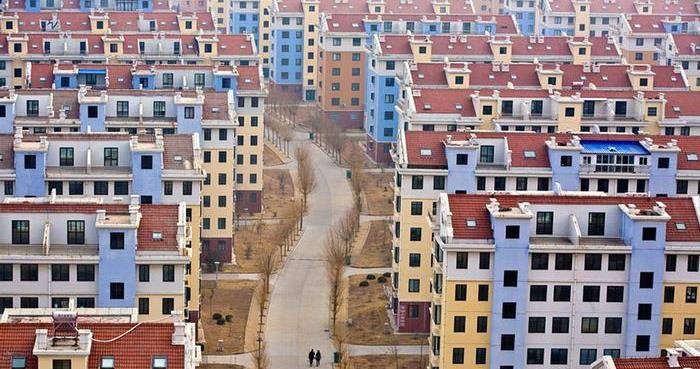
In recent years, China has witnessed the phenomenon of entire urban developments standing eerily empty, raising questions about the forces driving this trend. These ghost cities, often built with grand aspirations, serve as stark reminders of both ambition and miscalculation in one of the world’s fastest-growing economies.
The exploration of these abandoned metropolises reveals a complex narrative of rapid urbanization, speculative investment, and changing demographics. In this context, **Abandoned China City: The Rise and Fall of Empty Cities in China** delves into the factors that led to their creation and the implications of their abandonment for future urban planning and development.
The Mysterious Abandoned Cities of China: Exploring Their Origins and Decline
The mysterious abandoned cities of China often tell tales of ambition gone awry. Many of these urban developments were conceived during periods of intense economic growth, driven by the government’s push for modernization and urban expansion. However, as demand fluctuated and population trends shifted, these once-promising projects fell into disuse. The reasons for their decline include:
- Overestimation of demand: Many cities were built in anticipation of a booming population that never materialized.
- Speculative real estate investments: Investors sought quick profits, leading to a glut of properties.
- Changing economic policies: Shifts in government regulations and economic strategies resulted in decreased construction activity.
One of the most intriguing aspects of these ghost cities is their architectural grandeur, which stands in stark contrast to their desolation. Cities like Kangbashi in Inner Mongolia boast elaborate infrastructures, including vast residential areas, office buildings, and cultural landmarks, all devoid of inhabitants. The contrast between the vision of a thriving metropolis and the current reality raises questions not only about urban planning but also about the socio-economic models that guided their creation.
Additionally, the social implications of these abandoned cities are profound. They represent not just physical spaces but also the dreams and aspirations of countless individuals and families. As the urban landscape continues to evolve, the fate of these empty cities poses crucial challenges for urban planners and policymakers, who must consider how to repurpose these areas effectively. Some strategies include:
- Transforming them into cultural or recreational spaces: This could help attract residents and tourists alike.
- Revising zoning laws: To make these areas more viable for new businesses or communities.
In conclusion, while the abandoned cities of China serve as haunting reminders of unrealized dreams, they also embody opportunities for reflection and reimagining future urban developments. Understanding their origins and decline not only helps to illuminate the complexities of rapid urbanization but also offers valuable lessons for sustainable growth and community resilience in the face of changing economic landscapes.
Economic Factors Behind China’s Empty Cities: A Closer Look at Urbanization
The rapid urbanization in China has been driven by a combination of economic factors that contributed to the development of empty cities. As the government prioritized industrial growth, urban centers expanded quickly to accommodate a burgeoning workforce. However, miscalculations regarding population influx have resulted in a surplus of housing and infrastructure, leading to entire cities lying vacant.
Another significant driver is the speculative nature of real estate investments. Many developers anticipated a constant increase in demand, prompting them to build extensively without securing actual buyers or tenants. This overbuilding has left many projects stranded, as they were designed for a population that never arrived. The following points illustrate these economic influences:
- Government incentives: Local governments encouraged rapid construction to boost economic growth.
- Speculative bubbles: Investors flocked to real estate hoping for quick returns, resulting in inflated property values.
- Lack of sustainable planning: Urban developments often did not align with long-term demographic trends.
Additionally, the economic policies that shifted focus from rapid expansion to more sustainable development have left many of these cities in limbo. As market conditions changed, less emphasis was placed on building new cities, creating a paradox where expansive infrastructures exist without the necessary economic base to support them. This shift in priorities has left urban planners grappling with how to repurpose these abandoned areas effectively.
 Overlaid and Starved at Nurse: Infant Mortality in the 17th Century
Lastly, understanding the relationship between economic shifts and urbanization is critical for future planning. As China moves towards a more balanced economic model, there is an opportunity to learn from the mistakes of the past. Strategies to revitalize these empty cities could include:
- Adaptive reuse projects: Transforming unused buildings for new purposes.
- Community engagement initiatives: Involving local residents in redevelopment plans to ensure sustainability.
The Social Impact of Abandoned Urban Areas in China: Communities Forgotten
The social impact of abandoned urban areas in China is significant, as these ghost cities often reflect the dreams and aspirations of their intended communities. The absence of residents leads to a disconnect between the physical space and the social fabric that is typically woven within thriving neighborhoods. This phenomenon results in lost opportunities for community engagement and cultural identity, ultimately leaving many individuals and families feeling forgotten.
Moreover, the economic and social void created by these empty cities raises critical concerns regarding mental health and well-being. Residents who once envisioned vibrant communities may now face feelings of isolation and disillusionment. The implications extend beyond individuals to families, as the absence of local services and amenities can strain existing communities. Key issues arising from this abandonment include:
- Increased social isolation: With no community support systems, residents may struggle to connect with others.
- Economic instability: Local businesses suffer due to a lack of customers, leading to closures and job losses.
- Environmental degradation: Neglected urban spaces can become hotspots for crime and vandalism, further endangering community safety.
In many cases, the abandoned infrastructures serve as stark reminders of the rapid urbanization that once promised progress. The juxtaposition of grand architectural designs against the backdrop of neglect underscores a failure to foster sustainable growth. As urban planners grapple with these challenges, developing strategies for repurposing these abandoned areas is crucial for revitalizing community ties and economic stability.
Potential approaches to address these social impacts may involve community-driven initiatives aimed at transforming empty spaces into functional areas. For example, projects that focus on:
- Community gardens: These can promote local engagement and provide fresh produce.
- Art installations: Creative expressions can transform desolate areas into cultural hubs.
- Recreational facilities: Creating spaces for leisure can help re-establish a sense of community.
Architectural Wonders or Urban Ghosts? The Allure of China’s Empty Cities
China’s empty cities stand as both architectural wonders and urban ghosts, showcasing the paradox of modern development. These sprawling metropolises, initially designed to accommodate millions, often feature state-of-the-art buildings and infrastructure that remain unoccupied. This stark contrast between ambitious designs and actual usage raises questions about the effectiveness of current urban planning strategies and the societal implications of these vacant spaces.
The allure of these ghost cities goes beyond their physical structures; they symbolize a complex interplay of economic ambitions and miscalculations. Developers, in their quest for rapid growth, often created vast residential complexes without a corresponding demand. As a result, the promise of vibrant urban life has turned into a haunting reminder of unrealized potential, leading to a reevaluation of what makes a city truly livable.
Furthermore, the phenomenon of abandoned cities reflects shifting demographics and changing societal needs. The initial excitement surrounding their construction has faded, leaving behind vast landscapes devoid of human interaction. Addressing the issues arising from these abandoned urban areas requires innovative approaches, such as:
- Smart repurposing: Transforming empty buildings for community use can reinvigorate interest.
- Cultural projects: Initiatives that promote arts and history can help integrate these spaces back into the fabric of society.
- Community involvement: Engaging local populations in the redevelopment process ensures future sustainability.
Ultimately, the vacant cities of China serve as a cautionary tale about the consequences of hasty urban expansion. As the nation looks to the future, the challenge lies in turning these empty landscapes into thriving communities, thereby honoring the visions that inspired their creation and fostering a sense of belonging for future generations.
Lessons Learned from China’s Abandoned Cities: What the Future Holds
One of the primary lessons learned from China’s abandoned cities is the importance of sustainable urban planning. The rapid construction of these ghost cities without adequate consideration for actual demand highlights a critical oversight in the planning process. Future development should prioritize integrating demographic studies and economic forecasts to ensure that urban expansions align with population growth and housing needs.
Additionally, these abandoned cities underscore the need for flexible development policies. As the economic landscape evolves, so too should the strategies employed to manage urban spaces. Policymakers must adopt adaptive frameworks that allow for the repurposing of unused infrastructures into viable community spaces, thereby revitalizing areas that may otherwise remain forgotten.
Moreover, the experience with empty cities reveals the significance of community engagement in urban development. Involving local populations in the planning and redevelopment processes can lead to more tailored solutions that reflect the needs and desires of residents. This participatory approach not only fosters a sense of ownership but also enhances the potential for long-term sustainability.
Finally, the phenomenon of abandoned urban areas serves as a stark reminder of the consequences of unchecked ambition in urbanization. As China moves forward, the challenge lies in transforming these vacant landscapes into functional and vibrant communities, ensuring that the lessons learned inform a new era of thoughtful growth that respects both environmental and social considerations.
The Rise and Fall of China’s New Towns: Analyzing Urban Planning Failures
The rise of China’s new towns is marked by ambitious urban planning initiatives aimed at facilitating rapid economic growth and accommodating increasing populations. However, these projects often succumbed to planning failures that overlooked critical factors. Key issues included:
- Misjudged demographic trends: Planners frequently miscalculated population movements, leading to oversupply.
- Inadequate infrastructure: Essential services such as transportation and healthcare were not fully integrated into the designs.
- Speculative development practices: Developers focused on short-term profits rather than sustainable community building.
As a consequence, many new towns became uninhabited, serving as a reminder of the disconnect between urban visions and practical realities. The shift from expansive development to sustainable growth has become increasingly urgent, as these empty cities reflect the need for a more thoughtful approach to urbanization. Urban planners now face the challenge of addressing these shortcomings while simultaneously reimagining the future of these forsaken landscapes.
In examining the failures associated with China’s new towns, it is essential to consider how economic dynamics and social aspirations intertwine. Many developments were propelled by government incentives promoting rapid urbanization, yet they failed to generate lasting communities. The lack of a supportive economic base has led to these sprawling infrastructures becoming relics of ambition rather than functioning urban environments.
Moving forward, effective urban planning must incorporate community needs alongside economic projections. Engaging local stakeholders in the planning process can lead to more resilient and adaptive urban environments. Future strategies may include:
- Community-led initiatives: Empowering residents to participate in development plans.
- Repurposing urban spaces: Transforming empty infrastructures into vibrant community hubs.