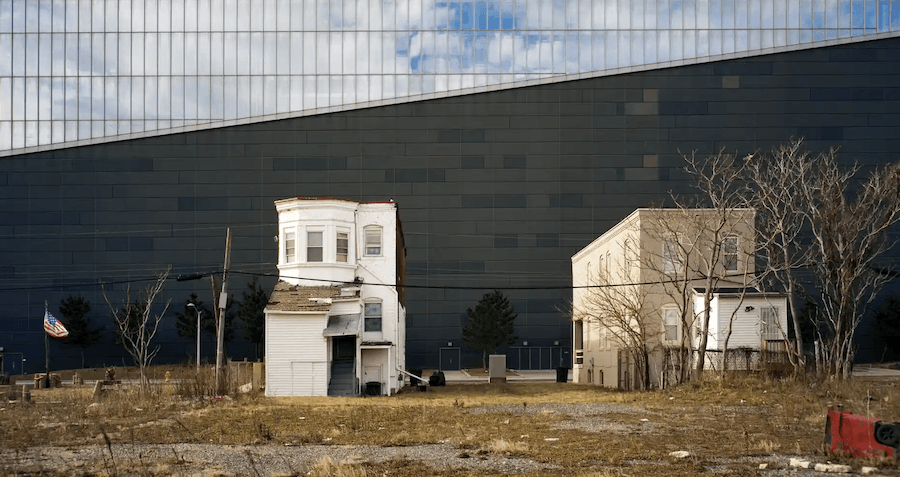
Atlantic City holds a unique place in American history. Picture this: the roaring twenties, glittering casinos, and a city buzzing with excitement. That’s what Atlantic City was all about back then, earning its nickname as “America’s Playground.” The Boardwalk was alive with music, laughter, and the promise of good times. People flocked to experience the thrills and escape from everyday life.
But beneath the surface of this glamorous facade, a different story unfolded. From the shadows emerged organized crime and corruption, slowly taking hold of the city. Over time, the mobs gained control over various aspects of Atlantic City life, casting a long shadow over its future. This struggle between prosperity and darkness became a defining characteristic of the city’s identity.
Legalized casino gambling in the 1970s seemed to offer a glimmer of hope, injecting new life into the economy. Yet, it failed to address the deeply rooted problems plaguing Atlantic City slums and its struggling residents. Poverty, abandoned buildings, and political scandals continued to plague the city, casting a long shadow over its reputation.
Americas Playground: The Rise of Atlantic City
The early 20th century saw Atlantic City transform into a beacon of excitement and entertainment, earning its well-deserved title as “America’s Playground.” People from all walks of life descended upon the city, drawn to its vibrant Boardwalk, glittering casinos, and the promise of a carefree escape. It was a time when jazz music filled the air, elegant hotels lined the streets, and laughter echoed through the bustling crowds.
What made Atlantic City truly special was its open-minded attitude towards the burgeoning Prohibition era. While other cities struggled with enforcing the ban on alcohol, Atlantic City embraced it, becoming a haven for speakeasies and illicit parties. This daring spirit contributed to the city’s reputation as a place where anything went, further fueling its allure for those seeking adventure and a break from convention.
Of course, this booming tourism industry wasn’t without its downsides. As more people flocked to Atlantic City, so too did the problems that often accompany rapid growth. The influx of visitors put a strain on infrastructure and resources, while the city grappled with issues like poverty and crime, which would continue to haunt it throughout its history.
Organized Crime and Corruption
Beneath the glittering surface of Atlantic City’s entertainment empire, a darker story was unfolding. The allure of easy money and unchecked power attracted organized crime syndicates who saw an opportunity to exploit the city’s booming tourism industry. They infiltrated legitimate businesses, rigged games, and controlled everything from gambling dens to waterfront operations.
As the mob’s influence grew, so did its grip on local government and law enforcement. Bribery became commonplace, and officials turned a blind eye to illegal activities in exchange for personal gain. This pervasive corruption eroded public trust and paved the way for further criminal expansion within Atlantic City slums and beyond. You could say it was a vicious cycle where greed fueled violence, and violence bred more greed.
This period marked a turning point for Atlantic City, as its reputation as a fun-loving paradise began to tarnish under the shadow of organized crime. The city struggled to balance its desire for economic prosperity with the need to combat these deeply rooted issues.
 Band of Brothers: Real Story, True Events & Historical Accuracy
The Casino Boom and Its Consequences
The legalization of casino gambling in the 1970s offered Atlantic City a glimmer of hope for revival. Suddenly, the city became a hotbed for extravagant casinos, drawing millions of visitors eager to try their luck at the tables. The Boardwalk came alive with new resorts and entertainment venues, promising an exciting escape from everyday life. It seemed like a golden age was dawning for Atlantic City, potentially reversing its fortunes after years of struggle.
However, this boom wasn’t without its downsides. While casinos brought much-needed revenue and jobs, they also exacerbated existing social problems. The influx of cash attracted new criminal elements, and the city struggled to keep pace with the demands placed on its infrastructure and public services. Moreover, the focus on gambling as a primary source of income created an economic dependency that proved vulnerable to fluctuations in the market.
As time went on, several casinos closed their doors, including iconic landmarks like Trump Taj Mahal and Revel Casino Hotel, highlighting the fragility of this casino-driven economy.
Struggles for Survival: Economic Decline and Renewal
The closures of major casinos in the early 2000s sent shockwaves through Atlantic City, leaving behind a trail of economic hardship and shattered dreams. Unemployment soared, businesses shuttered, and the city’s reputation took another hit. It was a stark reminder that relying solely on gambling for economic growth could be a risky proposition.
Faced with this crisis, Atlantic City embarked on a desperate quest for survival. Leaders implemented new initiatives to diversify the economy, investing in tourism beyond casinos, promoting cultural attractions, and fostering entrepreneurial ventures. They hoped to create a more sustainable future by attracting a wider range of visitors and residents.
While these efforts have shown some promise, the road to recovery has been long and arduous. Atlantic City still grapples with high poverty rates and an image tainted by its past struggles. But there’s a sense of resilience in the air, a determination to transform this iconic city into a vibrant hub that offers something for everyone.
Beyond the Boardwalk
While the casinos and boardwalk remain iconic symbols of Atlantic City, there’s a whole other side to this multifaceted city waiting to be explored. Venture beyond the glitz and glamour, and you’ll discover a rich tapestry of history, culture, and natural beauty.
For instance, explore the Absecon Lighthouse, the tallest in New Jersey, offering breathtaking panoramic views of the coastline. Immerse yourself in the city’s vibrant arts scene at galleries showcasing local talent or attend a captivating performance at one of its several theaters. And don’t forget to wander through historic neighborhoods like Chelsea Heights, where charming Victorian homes whisper tales of a bygone era.
Atlantic City is constantly striving to reinvent itself, embracing new opportunities and showcasing its multifaceted identity. It’s a city where you can experience the thrill of the casinos while also discovering hidden gems that offer a glimpse into its authentic soul.