Have you ever gazed upon a truly colossal structure and wondered about the hands that built it, the minds that conceived it? Throughout history, humanity has been captivated by enigmatic monuments that stand as testaments to Our Ancestors’ ingenuity and creativity. These wonders often leave us with More Questions Than Answers, sparking our imaginations and fueling our Desire To Uncover Their Secrets.
Some of these ancient marvels are so awe-inspiring that they rival even the iconic Stonehenge in terms of mystery and grandeur. From precisely cut stones weighing hundreds of tons to underwater formations resembling Lost Cities, these sites offer a glimpse into a past shrouded in enigma. Join us as we embark on a journey to explore seven such extraordinary locations scattered across the globe. Prepare to be amazed by their Sheer Scale, complexity, and the enduring questions they pose About Our Shared History.
These fascinating Ancient Rock Formations serve as reminders that humanity’s story stretches far beyond what we Can Readily Grasp. They inspire us to delve deeper into the past, to imagine the lives of those Who Came Before Us, and to recognize the profound impact their creations have had on shaping Our World Today.
Puma Punku: The Puzzle of Precisely Cut Stones
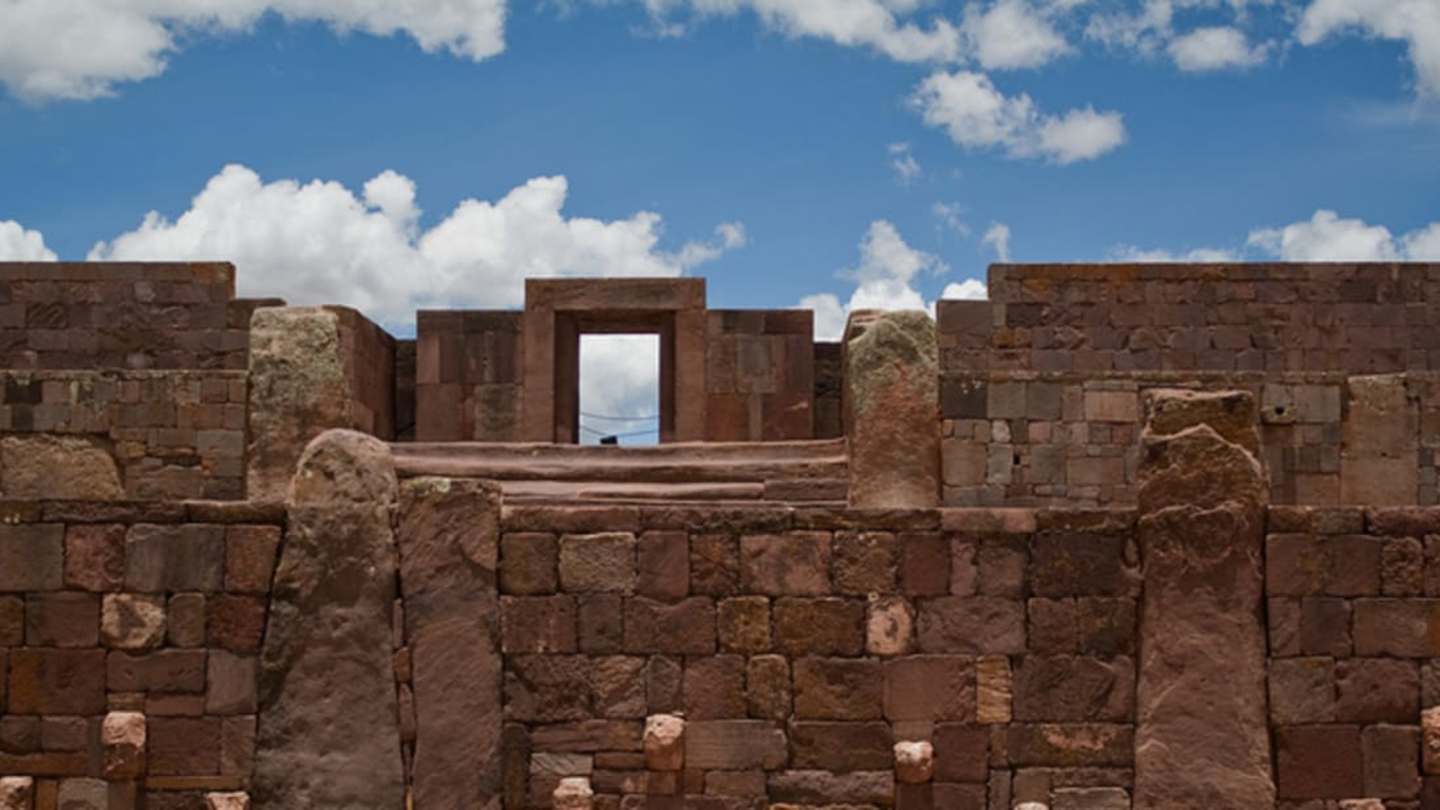
Nestled high in The Andes Mountains of Bolivia lies Puma Punku, a site that has baffled archaeologists and historians for decades. Imagine walking amidst massive stone blocks, each meticulously shaped and fitted together with astonishing precision. Some of these blocks weigh up to 450 tons, making them heavier than even the largest stones at Stonehenge! The sheer scale and complexity of Puma Punku suggest a level of engineering knowledge that surpasses anything we associate with ancient civilizations.
How did they manage to cut, transport, and erect such colossal stones without modern tools? Theories abound, ranging from advanced astronomical alignments to Sophisticated Hydraulic Systems. Perhaps the most intriguing aspect of Puma Punku is its incomplete nature. As if abandoned abruptly before completion, it leaves us wondering about the fate of those who built it and the purpose behind this enigmatic monument. Could it have been a temple Dedicated To Celestial worship? A complex astronomical observatory? Or something else entirely?
The mysteries surrounding Puma Punku continue to entice researchers and adventurers alike. Each visit to this ancient rock formations site unveils more tantalizing clues, but the full story remains shrouded in time’s veil.
Lake Michigan Stonehenge: An Underwater Enigma
Beneath the shimmering waters of Lake Michigan lies a hidden world waiting to be explored. Divers have stumbled upon an underwater formation that bears a striking resemblance to Stonehenge – Hence Its Evocative Moniker, “Lake Michigan Stonehenge.” While it lacks the iconic standing stones of its British counterpart, this submerged site features several intriguing elements.
Imagine descending through the murky depths, your gaze drawn towards a circle of large rocks arranged in a pattern reminiscent of ancient ceremonial structures. Some of these rocks are adorned with carvings depicting mastodon figures, hinting at a potential connection to prehistoric cultures who thrived in the region thousands of years ago. Could this underwater formation have served as a sacred site for ancient rituals or astronomical observations?
The existence of Lake Michigan Stonehenge raises more questions than it answers. Its precise purpose and age remain shrouded in mystery. Was it a submerged temple, a navigational aid, or perhaps a forgotten portal to the past? As we continue to explore our planet’S Hidden Depths, this ancient rock formations site offers a tantalizing glimpse into the unknown, reminding us that there are still wonders waiting to be discovered beneath the surface of our world.
Yonaguni Pyramid: An Ocean Stairway to the Past?
Off the coast of Japan, hidden beneath the turquoise waves, lies a submerged structure that has Captivated Imaginations Worldwide – Yonaguni Pyramid. Imagine diving down to a depth of 25 meters and encountering colossal rock formations rising from the seabed, resembling ancient pyramids with distinct stair-like terraces and smooth sloping sides. This underwater enigma first came to light in the 1980s when Japanese scuba divers stumbled upon this remarkable site.
While skeptics maintain that Yonaguni is simply a natural formation sculpted by Erosion Over Millennia, proponents of its artificial origins point to the precision of its construction and the deliberate placement of stones. Could these submerged terraces have served as an ancient port or even a ceremonial platform for underwater rituals? The mysteries surrounding Yonaguni Pyramid continue to fuel debate and speculation.
This ancient rock formations site offers a tantalizing glimpse into a potential lost civilization that thrived in the depths of our oceans, leaving behind clues that challenge our understanding of history. Whether natural or man-made, Yonaguni Pyramid stands as a testament to the enduring power of mystery and the boundless wonders that lie hidden beneath the waves.
Easter Island Moai: Giants Of Stone And Mystery
Rising from the windswept volcanic landscape of Easter Island are hundreds of Monumental Statues Known As Moai. These colossal figures, carved entirely from volcanic rock and Towering Up To 33 Feet Tall, stand as silent sentinels guarding the island’S Secrets. Each moai boasts a distinctive elongated head, with large ears and solemn expressions that have captivated the imaginations of people worldwide for centuries.
The precise purpose of these enigmatic statues remains a subject of debate Among Scholars. Were they meant to represent ancestral figures? Powerful deities? Or perhaps even symbols of social status within Easter Island’s ancient society? The moai were meticulously transported from their quarry sites across vast distances, Sometimes Over Challenging Terrain, using ingenious methods that continue to Fascinate Archaeologists Today.
Easter Island’s Ancient Rock Formations, the moai, serve as a poignant reminder of a vanished civilization and its enduring legacy. They stand as testaments to human ingenuity, Artistic Vision, and the mysteries that can linger for centuries, waiting to be deciphered by those Who Dare To Explore Them.
Nazca Lines: Ancient Geoglyphs Unveiled
Imagine soaring over the arid plains of southern Peru and suddenly glimpsing colossal figures etched into the earth below – Giant Spiders, hummingbirds, monkeys, and even a mysterious astronaut-like figure! These are The Nazca Lines, an astonishing collection of geoglyphs created by the ancient Nazca people between 500 BCE and 500 CE.
The lines, composed of long trenches that remove the reddish iron oxide from the Desert Floor, reveal intricate designs spanning hundreds of feet in length. Some scholars believe these ancient rock formations served as ceremonial pathways or Astronomical Observatories, while others propose that they were used for religious rituals or even messages to the gods. Their sheer scale and complexity continue To Baffle Researchers Today, offering a glimpse into a civilization with advanced knowledge of geometry, astronomy, and artistic expression.
The Nazca Lines remain an enduring testament to human creativity and ingenuity. They serve as a reminder that beneath the surface of our world lie hidden wonders waiting to be discovered – testaments to the ingenuity and mystery of past civilizations.