The 1930s were a decade of dramatic change and upheaval across the globe, but few places experienced such a profound transformation as Germany. Fresh from the devastation of World War I, the nation was struggling economically. Unemployment soared, poverty became widespread, and a sense of despair hung heavy in the air. This fertile ground of discontent was ripe for exploitation, and a charismatic leader emerged to offer a seemingly simple solution: Adolf Hitler and his Nazi Party.
Hitler’s rise to power wasn’t immediate; it was a gradual process fueled by fear, anger, and promises of national renewal. Berlin 1930 witnessed the burgeoning Nazi movement as they organized rallies that drew massive crowds eager for change. Their message resonated with those who felt disillusioned by the Weimar Republic, a democratic government struggling to cope with the nation’s woes. The Nazis skillfully exploited existing social tensions, scapegoating minorities and promising a return to German greatness.
Imagine walking down the streets of Berlin in the 1930s. You might see vibrant posters plastered on walls, showcasing images of strong, determined Germans and slogans proclaiming “Order! Strength! National Unity!” These were not just political advertisements; they were carefully crafted tools designed to manipulate public opinion and sway voters. Newspapers controlled by Nazi sympathizers spread propaganda, demonizing opponents and glorifying the party’s ideology. This relentless campaign gradually chipped away at democratic institutions and paved the way for the Nazis’ ultimate takeover in 1933.
Weimar Republic and Economic Crisis
Following the defeat of Germany in World War I, a new era dawned: the Weimar Republic. This fragile democracy, established in 1919, inherited a nation shattered both physically and economically. The Treaty of Versailles imposed harsh reparations on Germany, further crippling its already weakened economy. Imagine a country struggling to rebuild, burdened by debt, facing widespread unemployment, and grappling with the loss of territory – that was the reality for Germany in those early years after the war.
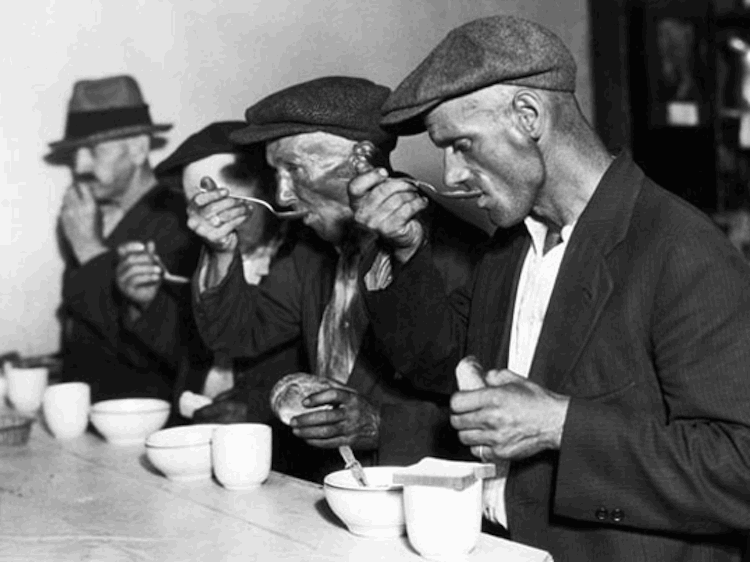
The Weimar Republic faced immense challenges, trying to balance the needs of a diverse population while navigating the treacherous waters of international relations. Political instability was rampant, with numerous parties vying for power, making it difficult to establish a stable government. The Great Depression of the 1930s dealt a devastating blow to Germany, exacerbating existing economic woes and pushing millions into poverty. Berlin in the 1930s, once a vibrant center of culture and commerce, became a city marked by hardship and despair. People struggled to put food on the table, and desperation grew with each passing day.
This atmosphere of hopelessness and uncertainty created fertile ground for radical ideologies to take root. The Nazi Party, with its promises of national revival and economic recovery, offered a seductive alternative to the perceived failures of democracy.
Rise of the Nazi Party
The Nazi Party, led by Adolf Hitler, skillfully capitalized on the widespread discontent and economic instability plaguing Germany in the 1930s. Their message of national rejuvenation, coupled with promises of prosperity and a return to German glory, resonated deeply with those yearning for a sense of purpose and direction. Think of it like this: after years of hardship and uncertainty, people were desperate for hope, and Hitler offered them just that – a vision of a powerful, united Germany once again standing tall on the world stage.
The Nazis employed a variety of tactics to spread their message and gain support. Rallies featuring Hitler’s fiery speeches drew massive crowds who were captivated by his charisma and promises. They also utilized propaganda posters and newspapers to spread their ideology and demonize political opponents. These carefully crafted messages painted a picture of Germany as a victim, oppressed by internal enemies and external forces, while simultaneously portraying the Nazis as the saviors who could restore national pride and prosperity. It was a potent mix that proved irresistible to many Germans seeking solutions to their problems.
By September 14th, 1930, the Nazi party had secured its place as the second largest political force in Germany after being elected into parliament. This marked a turning point, demonstrating the growing influence of this radical movement within German politics. Their rise was a testament to the power of fear, anger, and the promise of a better future—a future that, sadly, would come at a terrible cost for millions.
Propaganda and Political Strategy
The Nazi Party’s rise to power wasn’t simply about charismatic speeches and appealing promises. A crucial element of their success was their mastery of propaganda and political strategy. They understood the power of manipulating public opinion and creating a compelling narrative that resonated with people’s fears and aspirations. Imagine posters plastered across city walls in Berlin 1930s, depicting heroic German soldiers alongside slogans promising national restoration and economic prosperity. These images weren’t just visually striking; they were carefully crafted to evoke powerful emotions and influence how people perceived the world.
The Nazis controlled newspapers, radio stations, and even films, pushing out a constant stream of messages designed to promote their ideology and demonize opponents. They labeled Jews as enemies of the state, blamed communists for Germany’s problems, and portrayed Hitler as a strong leader who could restore order and greatness. This relentless propaganda campaign effectively shaped public opinion, creating a climate of fear and suspicion that made it easier for the Nazis to consolidate their power.
Beyond propaganda, the Nazis were also skilled political strategists. They exploited existing social divisions, appealing to nationalistic sentiments and fueling resentment against minorities. They organized rallies and demonstrations that drew massive crowds, showcasing their growing popularity and intimidating opponents. By using both soft power (propaganda) and hard power (political maneuvering), the Nazis effectively created a system where dissent was silenced and their own narrative became dominant.
The Road to Chancellorship
The Nazis’ ascent to power wasn’t a sudden overnight takeover. It was a carefully orchestrated climb, step by step, fueled by political maneuvering and public pressure. By the early 1930s, they had become a formidable force in German politics, capitalizing on the country’s economic woes and widespread discontent. They pushed for policies that played to their base, often exploiting social divisions and stoking fears about internal threats. Imagine a nation increasingly divided, vulnerable to manipulation, and ripe for a strongman who promised solutions – that was the political climate in Germany during this period.
President Paul von Hindenburg, facing immense pressure from both within and outside his government, realized that he needed a decisive leader to stabilize the country. He appointed Hitler as Chancellor of Germany on January 30th, 1933, hoping to bring some much-needed order and control. This decision proved to be a pivotal turning point in German history. While many hoped Hitler would bring stability, few could have predicted the catastrophic consequences that would unfold under his leadership. After all, he had promised to restore Germany to its former glory, but ultimately, his actions plunged the nation into a dark chapter of tyranny and war.
Once in power, Hitler wasted no time consolidating his control. He quickly dissolved political opposition, silenced dissenting voices, and established a totalitarian regime that would last for over a decade. Berlin 1930, once a vibrant center of cultural exchange, became the heart of a dictatorship fueled by fear and propaganda.
A Nation Divided
The rise of Nazism in Germany didn’t just change the political landscape; it deeply fractured German society along ideological lines. Friendships were tested, families divided, and communities became battlegrounds for competing worldviews. Imagine neighbors turning against each other, suspicion replacing trust, as the Nazi regime sowed seeds of discord and fear.
The Nazis were relentless in their efforts to create a homogenous nation, suppressing any voices or expressions that challenged their ideology. They persecuted religious minorities, targeted intellectuals and artists who dared to dissent, and demonized groups like Jews, Roma, and homosexuals, branding them as enemies of the state. This systematic campaign of hate and intimidation created an atmosphere of fear, where people were afraid to speak out against the regime for fear of retribution.
Berlin in the 1930s became a microcosm of this national division. The streets once bustling with intellectual discourse and artistic expression now echoed with Nazi slogans and the sounds of marching boots. The vibrant cultural tapestry that had defined Germany was being ripped apart, replaced by a monochrome landscape dictated by fear and conformity. This deep societal divide would ultimately have devastating consequences for the nation and the world.
Let me know if you need help with anything else!
The events of the 1930s in Germany serve as a stark reminder of how quickly democracy can be undermined and how easily fear and propaganda can manipulate public opinion. The rise of Nazism wasn’t inevitable; it was a result of complex social, economic, and political factors that created a fertile ground for extremism to take root.
As we reflect on this dark chapter in history, it’s crucial to remember the lessons learned and remain vigilant against the forces that seek to divide us and erode democratic values. The story of Berlin 1930s should serve as a cautionary tale, urging us to promote tolerance, understanding, and critical thinking – essential pillars for safeguarding our freedoms and building a more just and equitable society. Let us work together to ensure that the horrors of the past never repeat themselves.