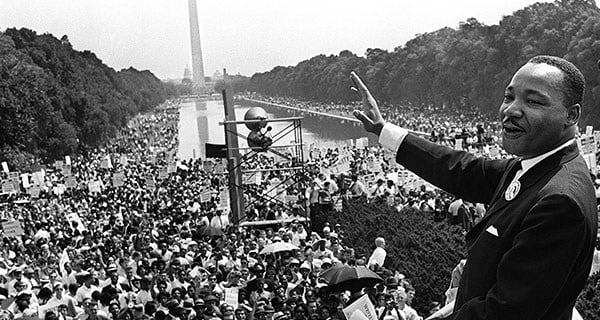
Martin Luther King Jr. is widely celebrated as a beacon of hope and equality, a champion who led the Civil Rights Movement with unwavering courage and conviction. His powerful voice echoed across the nation, urging for an end to racial segregation and discrimination. But behind the image of the righteous leader, there lurked a darker side – one that has been shrouded in secrecy and controversy for decades. Many know King as a devoted husband and father, but whispers about his personal life began surfacing even during his lifetime.
These whispers eventually transformed into accusations, particularly surrounding alleged infidelity. The dark truth about MLK was brought to light through the FBI’s relentless surveillance of King during the Cold War era. The Bureau, initially focused on communist infiltration, discovered through phone taps and hidden microphones that King had engaged in numerous extramarital affairs while traveling for his work. Recordings captured encounters ranging from clandestine meetings with individual women to raucous orgies involving multiple participants.
The FBI’s findings painted a disturbing picture of a man who preached morality but seemingly lived a double life. While King seemed indifferent to the exposure, his wife Coretta Scott claimed she couldn’t understand the recordings and chose to ignore them. The truth about these allegations has remained a subject of debate and speculation ever since, leaving many to grapple with the complexities of human nature and the enduring legacy of one of history’s most influential figures.
The FBI’s Surveillance of MLK
The FBI’s surveillance of Martin Luther King Jr. was a dark chapter in American history, driven by paranoia and prejudice rather than legitimate national security concerns. Initially suspicious of communists infiltrating civil rights organizations, the Bureau launched an extensive operation to monitor King’s activities. They tapped his phones, bugged his hotel rooms, and even sent informants to infiltrate his inner circle. The aim was to gather evidence that could be used to discredit him and undermine the movement he led.
This relentless surveillance yielded a trove of highly personal information, much of it unrelated to any potential national security threat. The FBI focused intently on King’s personal life, hoping to find something scandalous they could use against him. They recorded his phone calls, intercepted his letters, and even analyzed his speeches for signs of communist influence or unorthodox behavior.
The recordings captured intimate conversations, revealing both the joys and complexities of King’s relationships with his family and friends. However, the dark truth about MLK that emerged through this intrusive monitoring was primarily focused on revelations of extramarital affairs. The FBI used these recordings, often taken out of context, to paint a picture of a hypocritical leader who preached morality while engaging in personal indiscretions.
Allegations of Infidelity and Cover-Ups
The accusations of infidelity against Martin Luther King Jr. were fueled by the FBI’s recordings and disseminated through various channels, casting a shadow over his legacy. The Bureau’s relentless pursuit of compromising information aimed to discredit King and damage his reputation within the civil rights movement. They believed exposing these personal failings would undermine public support for his cause and weaken his influence.
These allegations spread like wildfire, creating a sense of scandal and controversy that followed King throughout his life. While some supporters dismissed the accusations as politically motivated attacks, others struggled to reconcile the image of the righteous leader with the reported infidelity. The impact of these revelations on King’s personal life and marriage with Coretta Scott remains a subject of debate. Scott herself claimed she chose to ignore the recordings and never confronted her husband about his alleged indiscretions.
The full extent of the cover-ups surrounding these allegations is still unclear. Was the FBI solely motivated by their desire to discredit King, or were there other forces at play? Did those in power attempt to silence any individuals who might have spoken out against the accusations or sought to protect King’s reputation? These questions continue to linger, highlighting the complex and often opaque nature of historical events.
 What Happens When You Get Your Fingerprints Scanned
Exploiting the Power Dynamics
The accusations against Martin Luther King Jr., particularly those surrounding infidelity, were fueled by a deeply problematic power dynamic at play. The FBI, wielding its immense authority and resources, exploited this imbalance to target and discredit King. They used their access to information, surveillance capabilities, and influence within government circles to orchestrate a campaign aimed at undermining his credibility and weakening the Civil Rights Movement.
King’s position as a leading figure in the fight for racial justice made him a particularly vulnerable target. The FBI understood that damaging his personal reputation could have a significant impact on his public image and ability to mobilize support for his cause. By focusing on his alleged indiscretions, they sought to distract from the crucial issues of equality and civil rights he championed.
This exploitation of power dynamics highlights the insidious nature of such tactics. The FBI’s actions were not simply about uncovering truth; they were about using information to manipulate public perception and silence dissent. This underscores the importance of critically examining power structures and holding those in authority accountable for their actions, especially when it involves targeting individuals who challenge the status quo.
Complicity Among King’s Associates
While Martin Luther King Jr. faced intense scrutiny from the FBI, complicity among his own associates further complicated the narrative surrounding his personal life. Some of King’s closest confidants, who shared his Christian values and commitment to social justice, were reportedly aware of his infidelities. Accounts suggest that they turned a blind eye to these transgressions, perhaps due to their deep respect for King’s leadership or a fear of jeopardizing the movement’s goals.
This acceptance, while understandable in the context of complex personal relationships and moral ambiguity, ultimately contributed to a culture of silence surrounding King’s actions. It allowed his alleged indiscretions to continue unchecked and fueled speculation about the extent of their knowledge and involvement. This dynamic cast a shadow over the movement itself, raising questions about accountability and hypocrisy within its ranks.
Even Jackie Onassis, according to some accounts, was informed about the FBI recordings by Robert Kennedy, highlighting the fact that these accusations were not confined to whispers within King’s inner circle but became part of broader political and social conversations at the time.
Beyond Scandal: A Legacy in Question
The revelations about Martin Luther King Jr.’s personal life have undoubtedly cast a shadow over his legacy, prompting ongoing debate and introspection about the complexities of human nature. While the Civil Rights Movement’s achievements remain undeniable, these accusations raise questions about the degree to which we should separate an individual’s personal failings from their contributions to history.
Should King’s actions be judged solely by the standards of today, or is it necessary to consider the historical context and social norms of his time? This debate reflects a broader societal struggle with reconciling the ideals espoused by historical figures with their human flaws. The enduring impact of King’s work on civil rights legislation and racial equality must be weighed against the controversy surrounding his personal life, ultimately leaving individuals to grapple with their own interpretations.
The dark truth about MLK serves as a reminder that even those who dedicate themselves to noble causes are capable of making mistakes and engaging in behaviors that fall short of their stated ideals. It highlights the need for nuanced understanding and critical analysis when evaluating historical figures, recognizing both their achievements and shortcomings in the context of their time.