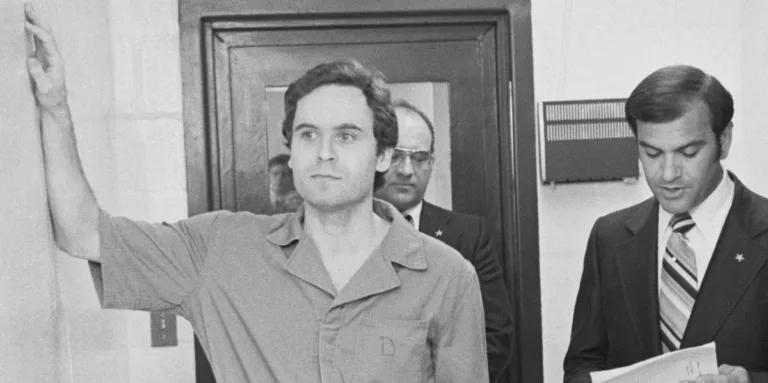
Ted Bundy, one of America’s most notorious serial killers, captivated the public not only with his chilling crimes but also with his complex personal relationships. Among these, his relationship with Carole Ann Boone stands out as a captivating yet often overlooked facet of his life.
In exploring Ted Bundy & Carole Ann Boone: Untold Story of Their Relationship, we delve into a connection that defied conventional understanding, revealing the psychological dynamics and emotional entanglements that kept Boone by Bundy’s side even as his true nature became evident. This narrative offers a unique perspective on love, manipulation, and the dark allure of a man who embodied both charm and horror.
The Complex Dynamics of Ted Bundy and Carole Ann Boone’s Relationship
The relationship between Ted Bundy and Carole Ann Boone was a complex tapestry woven with threads of manipulation, loyalty, and psychological intrigue. Boone, a mother and divorcee, became enchanted by Bundy’s charisma and intellect, ultimately standing by him during his trial. Her unwavering support exemplified a profound emotional connection that many found difficult to comprehend, given Bundy’s horrific actions.
One of the most striking aspects of their dynamic was Boone’s ability to compartmentalize Bundy’s charming persona while ignoring the monstrous reality of his crimes. This disassociation can be attributed to several factors:
- Emotional dependency: Boone’s need for validation and affection.
- Cognitive dissonance: The conflict between her love for Bundy and the knowledge of his deeds.
- Manipulative tactics: Bundy’s skillful use of persuasive language to maintain control over Boone.
Moreover, their relationship evolved significantly during Bundy’s incarceration. Boone not only became his confidante but also the mother of his child, a development that further deepened their bond. This unusual arrangement highlighted the stark contrast between Boone’s maternal instincts and Bundy’s predatory nature. As she navigated the complexities of motherhood within such a toxic relationship, Boone’s life became a poignant example of the effects of co-dependent relationships.
Ultimately, the dynamics of Bundy and Boone’s relationship mirror broader themes of attraction to darkness and the intricate dance of power and submission. Boone’s story serves as a reminder of how love can manifest in unexpected forms, often blurring the lines between devotion and denial. This complicated interplay raises questions about the nature of love, loyalty, and the human capacity to overlook the unspeakable.
Unraveling the Psychological Aspects of Bundy and Boone’s Love Story
The relationship between Ted Bundy and Carole Ann Boone can be viewed through the lens of psychological phenomena that often bind individuals to their partners, even in the face of danger. Boone’s unwavering dedication to Bundy illustrates a profound psychological bonding known as trauma bonding, where intense emotional experiences, both positive and negative, create a strong attachment. This bond becomes even more perplexing when considering Bundy’s manipulative tendencies and Boone’s susceptibility to his charm.
One psychological aspect that played a crucial role in their love story is cognitive dissonance. Boone exemplified this as she reconciled her love for Bundy with the horrifying knowledge of his crimes. This internal conflict often leads individuals to rationalize or dismiss negative behaviors to preserve their relationship, suggesting that Boone’s emotional investment may have blinded her to the reality of Bundy’s actions. The interplay of love and denial complicates their narrative, raising questions about the nature of affection in the face of evil.
Additionally, Bundy’s charisma and intelligence were tools of manipulation that kept Boone entrenched in their relationship. He skillfully employed psychological tactics to maintain control, which included:
- Charm and flattery: Bundy’s ability to make Boone feel special and understood.
- Isolation: Creating distance between Boone and her support network.
- Emotional volatility: Oscillating between affection and cruelty to keep Boone off-balance.
As their relationship progressed, Boone’s identity became intertwined with Bundy’s, illustrating the psychological impact of co-dependency. This powerful connection reflects a darker side of human relationships, raising essential questions about love, loyalty, and the psychological mechanisms that can bind individuals to those who embody both affection and terror. Ultimately, their story serves as a chilling reminder of how love can manifest in forms that are both profound and perilous.
How Carole Ann Boone Supported Ted Bundy During His Trials
During Ted Bundy’s trials, Carole Ann Boone emerged as a significant figure, providing unwavering support that shocked many observers. She attended the proceedings regularly, demonstrating her commitment and loyalty despite the heinous nature of Bundy’s crimes. Boone’s presence in the courtroom was a testament to her emotional investment, as she navigated a complex landscape of love and denial.
Boone’s support for Bundy took various forms, including:
- Emotional support: She often provided a listening ear, allowing Bundy to express his thoughts and feelings about his situation.
- Public advocacy: Boone publicly defended Bundy, portraying him as a misunderstood individual rather than a monster.
- Legal assistance: She played a role in his defense strategy, actively participating in discussions about his legal representation.
Moreover, Boone’s decision to have a child with Bundy while he was on death row further complicated her support. This choice not only deepened her bond with him but also highlighted her willingness to create a family amidst chaos. Boone’s actions exemplified the psychological hold Bundy had over her, illustrating the blurred lines between loyalty and complicity in his crimes.
Ultimately, Carole Ann Boone’s support for Ted Bundy during his trials underscores the complexities of their relationship. Her steadfastness in the face of overwhelming evidence against him raises intriguing questions about the nature of love, loyalty, and the human capacity to rationalize extreme circumstances. Boone’s story serves as a poignant reminder of the psychological dynamics at play in relationships marked by manipulation and obsession.
The Impact of Ted Bundy and Carole Ann Boone’s Relationship on True Crime Culture
The relationship between Ted Bundy and Carole Ann Boone has had a lasting impact on true crime culture, demonstrating the complexities of human attraction to darkness. Their bond, characterized by manipulation and emotional dependency, has fascinated true crime enthusiasts and psychologists alike. Boone’s unwavering loyalty raises important questions about the nature of affection and the psychological mechanisms that can bind individuals to notorious figures.
Moreover, Bundy and Boone’s dynamic has influenced various aspects of popular culture, including books, documentaries, and even fictional portrayals. This fascination can be attributed to several factors:
- The allure of the anti-hero: Bundy’s charm continues to intrigue audiences, prompting discussions about morality and evil.
- Complex female roles: Boone’s character challenges the conventional narrative of victims and villains, showcasing the complexities of love in dangerous relationships.
- Psychological exploration: Their story serves as a case study for understanding the effects of trauma bonding and co-dependency.
Additionally, the sensational nature of their relationship has sparked debates about media ethics and the portrayal of criminals. As documentaries and podcasts delve deeper into Bundy’s life, they often highlight Boone’s role, leading to a broader conversation about how such narratives can glamorize violence and manipulation. This discourse invites audiences to consider their own fascination with true crime, questioning the fine line between interest and exploitation.
Ultimately, the legacy of Bundy and Boone’s relationship continues to shape true crime culture, reminding us of the intricate dance between love, loyalty, and the darker aspects of human nature. Their story serves as a cautionary tale about the psychological complexities that can emerge in relationships with individuals who embody both charisma and terror.
Exploring the Manipulation and Control in Bundy and Boone’s Bond
The bond between Ted Bundy and Carole Ann Boone exemplifies a complex interplay of manipulation and control, revealing the psychological tactics employed by Bundy to maintain his grip on Boone. Despite being aware of his heinous crimes, Boone remained loyal, demonstrating the profound impact of emotional coercion. This dynamic can be attributed to Bundy’s charismatic manipulation, which often left Boone in a state of confusion regarding her feelings and beliefs about him.
Boone’s emotional dependency on Bundy played a critical role in their relationship. She frequently rationalized his behavior, convincing herself that his charm outweighed his dark deeds. This phenomenon is not uncommon in relationships marked by manipulation, where the victim may find it challenging to extricate themselves from their partner’s influence. Bundy skillfully manipulated Boone through various means, including:
- Praise and affection: He often showered Boone with compliments to reinforce her attachment.
- Gaslighting: Bundy would distort reality, making Boone question her perceptions of his actions.
- Emotional isolation: By distancing her from supportive friends and family, he ensured that she relied solely on him for emotional sustenance.
Moreover, Bundy’s ability to oscillate between tenderness and cruelty created an environment where Boone constantly sought his approval, further entrenching her in his web of control. This unsettling dynamic illustrates the complexities of love intertwined with fear, showcasing how individuals can become ensnared in relationships that are both deeply affectionate and dangerously toxic. Boone’s experience reflects the tragic reality for many who find themselves in similar situations, revealing the darker side of human connection.
Ultimately, the manipulation and control within Bundy and Boone’s relationship offer a disturbing glimpse into how psychological bonds can form in the face of violence and deceit. Their story serves as a stark reminder of the power dynamics that can exist in relationships, challenging our understanding of love and loyalty. It compels us to consider the factors that can drive individuals to remain attached to those who embody both charm and terror, reinforcing the notion that affection can sometimes blind us to the truth.
Lessons Learned from the Relationship of Ted Bundy and Carole Ann Boone
The relationship between Ted Bundy and Carole Ann Boone teaches us crucial lessons about the complexities of emotional dependency. Boone’s unwavering support for Bundy, despite his horrific actions, highlights how individuals can become deeply attached to those who embody both charm and danger. This phenomenon illustrates that love can sometimes cloud judgment, leading to a troubling disjunction between affection and morality. Such emotional entanglements can result in profound psychological effects, making it essential to recognize the signs of manipulation within relationships.
Another key lesson emerges from the concept of cognitive dissonance, which played a significant role in Boone’s relationship with Bundy. As she grappled with her feelings for him while knowing of his crimes, Boone showcased how individuals often rationalize their partners’ negative behaviors to preserve their emotional attachments. This internal conflict can be detrimental, leading one to overlook critical warning signs. Understanding this dynamic encourages us to reflect on our values and the potential consequences of remaining loyal to individuals who do not align with them.
Moreover, Bundy’s use of psychological manipulation serves as a cautionary tale about the power dynamics in romantic relationships. Techniques such as gaslighting and emotional isolation can ensnare individuals into a cycle of dependency, blurring the lines between love and control. Boone’s experience emphasizes the need for awareness regarding one’s emotional health and the importance of fostering supportive connections outside of romantic partnerships. Recognizing these tactics can empower individuals to break free from toxic relationships and pursue healthier connections.
Finally, the Bundy and Boone relationship reflects the broader societal fascination with true crime narratives that often romanticize the darker aspects of human nature. Their story prompts us to question our own attraction to such relationships and the ethical implications of glorifying figures of violence. By examining the psychological underpinnings of Bundy and Boone’s bond, we gain insights into the complexities of love, loyalty, and the potential for human connection to transcend moral boundaries—ultimately serving as a reminder of the importance of critical thinking in our perceptions of relationships.