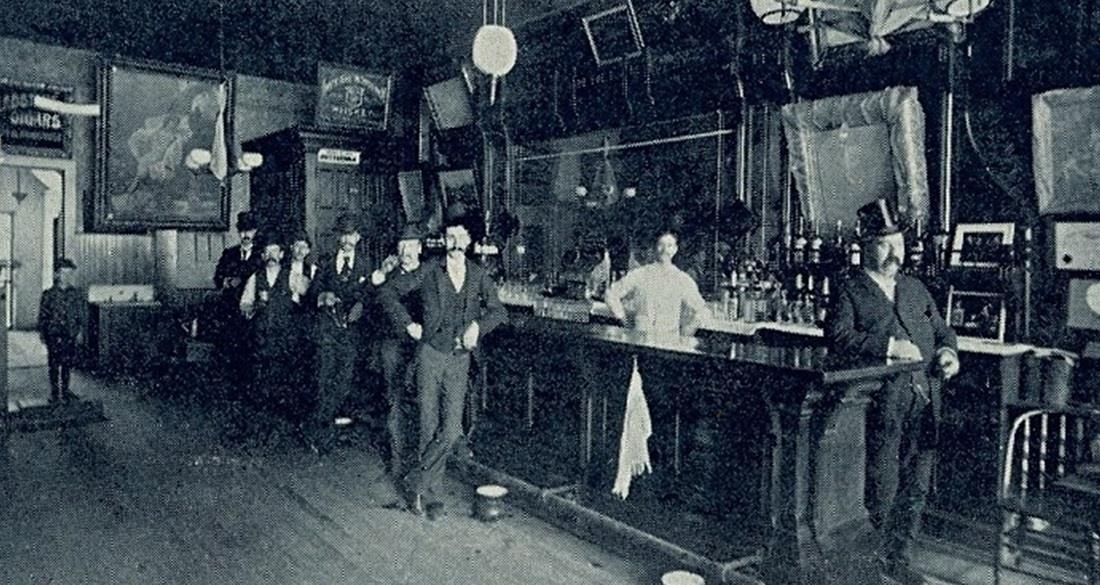
The murky history of Chicago is riddled with tales of crime and cunning, and few are as intriguing as the story of “slipping a mickey.” This phrase, now commonly understood to mean drugging someone’s drink without their knowledge, has its roots in the early 20th century Windy City. The legend goes that a saloon owner named Michael Mickey Finn devised a scheme to rob his wealthy patrons by slipping mickeys into their drinks.
Finn, operating out of a bustling Chicago saloon, teamed up with a voodoo doctor to procure chloral hydrate, a powerful sedative. He would then mix this concoction with the unsuspecting customer’s beverage, creating what he called the “Mickey Finn Special.” Once the patrons succumbed to the drug’s effects, his staff would relieve them of their valuables. While Finn’s operation was eventually brought down in 1903 after two of his barmaids turned him in, his scheme left an indelible mark on Chicago’s cultural lexicon, solidifying the phrase “slip a mickey” as a chilling symbol of betrayal and deceit.
This dark chapter in Chicago’s past serves as a stark reminder that even seemingly innocent vices can be manipulated for nefarious purposes.
The Origins of the “Mickey Finn”
The story of Michael Mickey Finn and his infamous “Mickey Finn Special” sheds light on the origins of this chilling term. Finn, a saloon owner in early 20th century Chicago, capitalized on a common societal fear: vulnerability while intoxicated. His scheme involved collaborating with a voodoo doctor to acquire chloral hydrate, a powerful sedative readily available at the time. Finn’s concoction would render his unsuspecting patrons unconscious, leaving them ripe for robbery by his staff.
While Finn’s operation eventually met its end in 1903, thanks to two of his barmaids who reported his illicit activities to the authorities, the phrase “slipping a mickey” stuck like glue. It became synonymous with drugging someone’s drink without their consent, turning into a chilling reminder of Finn’s manipulative tactics and the dangers of unchecked greed.
His legacy serves as a dark footnote in Chicago history, highlighting how seemingly innocent vices like alcohol consumption could be exploited for criminal gain. Finn’s story underscores the importance of vigilance and awareness, particularly in situations where individuals are vulnerable due to intoxication.
Michael Mickey Finn and His Scheme
Michael Mickey Finn was a saloon owner who operated in Chicago during the early 1900s. He wasn’t just any barkeep though; Finn had a sinister plan to exploit his wealthy patrons. Recognizing their vulnerability after a few drinks, he devised a scheme that would leave them unconscious and robbed of their valuables. His modus operandi involved partnering with a voodoo doctor who supplied him with chloral hydrate, a powerful sedative readily available at the time.
Finn’s concoction, dubbed the “Mickey Finn Special,” was expertly mixed into unsuspecting customers’ drinks. Once the patrons succumbed to the drug’s effects, his staff would swiftly relieve them of their possessions while they were completely unaware. This brazen operation continued for a while before ultimately being exposed in 1903 when two of Finn’s barmaids, weary of his criminal activities, bravely reported him to the authorities.
Finn’s capture brought an end to his reign of terror, but his legacy lived on. The phrase “slipping a mickey, ” which became synonymous with drugging someone’s drink, forever etched his name in the annals of Chicago history as a symbol of cunning and deceit.
Poison in Chicago: Beyond the “Mickey Finn”
While Michael Mickey Finn and his infamous “Mickey Finn Special” stand as a chilling example of poisoning for criminal gain in early 20th century Chicago, they were not alone. The city’s history reveals a disturbing trend of poison being used for revenge or personal profit beyond the realm of drugged drinks. In 1916, a terrifying incident occurred at a University Club event when arsenic-laced chicken soup was served, leaving attendees dangerously ill. This mass poisoning case sent shockwaves through the city and highlighted the vulnerability of even seemingly secure spaces to such insidious acts.
Adding further fuel to Chicago’s poisonous fire was Tillie Klimek, known as “The Poison Widow,” who gained notoriety in the 1920s for her deadly deeds. She systematically poisoned several husbands with various toxins, driven by greed and a desire for financial freedom. Her chilling story became a local legend, showcasing the darker side of human nature and the lengths some would go to achieve their ill motives.
These events alongside Finn’s schemes paint a grim picture of Chicago during its early 20th century era. Though mass poisonings are less common today, scammers continue to exploit dangerous substances like clonidine to rob unsuspecting individuals, proving that the dangers of poison remain a contemporary concern.
A History of Deception and Criminal Gain
The rise of “slipping a mickey” and other forms of poisoning in Chicago during the early 20th century reveals a disturbing pattern of deception and criminal gain. Beyond Finn’s scheme, we see individuals exploiting vulnerabilities for personal profit or revenge. This trend highlights the darkness that can lurk beneath the surface of even bustling metropolitan areas, exposing the fragility of trust and security.
What began as a clever way to rob inebriated patrons quickly evolved into a broader societal issue. It demonstrated a willingness to manipulate and harm others for personal gain, showing how desperation and greed can lead individuals down dangerous paths. The “Mickey Finn” story serves as a stark reminder that even seemingly innocent vices like alcohol consumption can be exploited by those seeking to benefit from the misfortunes of others.
The lasting impact of these events is palpable. They continue to shape our understanding of crime, deception, and the human capacity for both good and evil. The phrase “slipping a mickey” itself has become a cautionary tale, warning us against trusting blindly and emphasizing the importance of vigilance in safeguarding ourselves from those who seek to exploit our vulnerabilities.
Intoxication as a Weapon Today
While the “Mickey Finn” era may seem like a relic of the past, the underlying principle of using intoxication as a weapon persists in modern times. Unfortunately, scammers haven’t abandoned their tactics; they’ve simply evolved. Today, individuals are still targeted and drugged with substances like clonidine, often slipped into drinks without their knowledge.
These criminals prey on unsuspecting victims, leaving them vulnerable to theft or other forms of exploitation. This demonstrates that the dangers associated with intoxication as a tool for manipulation remain relevant even in our contemporary world. It serves as a chilling reminder that vigilance and awareness are crucial, especially when consuming alcohol or interacting with strangers in unfamiliar settings.
The methods may have changed, but the core concept remains the same: exploiting vulnerability for personal gain. This underscores the importance of educating ourselves about potential dangers and taking steps to protect ourselves from becoming victims of such schemes.