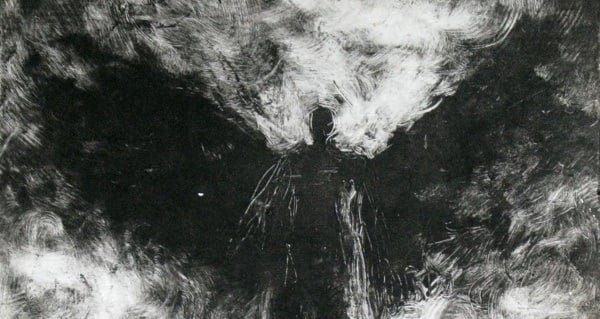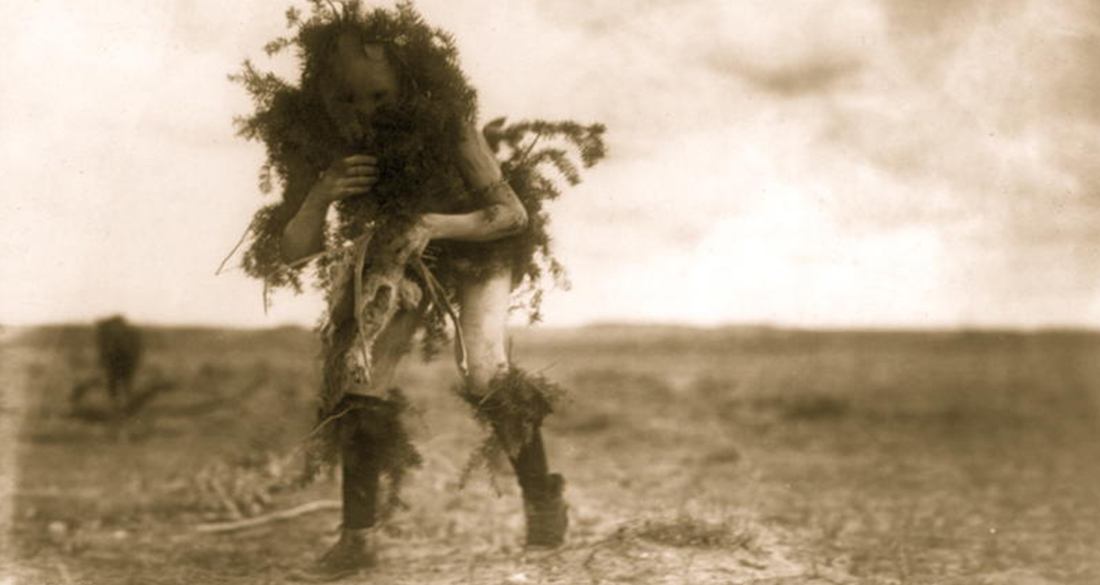
In the heart of Navajo culture lies a chilling tale of shapeshifting evil – the skinwalker curse. These creatures, known as YEED NARD LOSHI in their native tongue, are believed to be former healers or medicine men who have walked a dark path, forsaking their sacred knowledge for malevolent power. They can transform into various animals, most commonly coyotes, cougars, and bears, using their supernatural abilities to stalk the land and prey on both humans and animals alike.
Stories of skinwalkers are passed down through generations, serving as cautionary tales whispered around campfires under a starlit sky. Their motives are shrouded in mystery, but they are often depicted as vengeful spirits driven by insatiable hunger or a thirst for chaos. Some believe that skinwalkers gather in hidden places to engage in unspeakable acts, such as cannibalism and necromancy, further solidifying their place as figures of fear and revulsion within Navajo tradition.
While the idea of shapeshifting creatures might seem fantastical, it’s important to remember that these stories are deeply rooted in cultural beliefs and offer a glimpse into the complex worldview of the Navajo people. For them, the threat of skinwalkers serves as a reminder of the delicate balance between good and evil, and the consequences of straying from the path of righteousness.
The Legend of the Skinwalker
The legend of the skinwalker is woven intricately into the fabric of Navajo culture, passed down through generations as a cautionary tale whispered around campfires under a starlit sky. These stories describe them not just as monstrous creatures but as former healers or medicine men who have betrayed their sacred oaths, embracing darkness and wielding forbidden powers for malevolent purposes. They are often depicted as cunning and manipulative, preying on the weak and vulnerable with calculated cruelty.
One integral aspect of the skinwalker legend is the belief that these beings possess the ability to shapeshift into various animals, most commonly coyotes, cougars, or bears. This transformation allows them to blend seamlessly into their surroundings, lurking in shadows and striking without warning. They are said to move with unnatural speed and silence, leaving behind only fleeting glimpses of glowing red eyes and an unsettling sense of dread.
The skinwalker curse is a pervasive theme within these tales, suggesting that encountering or crossing paths with one can bring misfortune, illness, or even death. The stories serve as a potent reminder of the importance of respecting sacred traditions and the potential consequences of straying from the path of righteousness. They highlight the constant struggle between good and evil, urging vigilance against those who might exploit their power for selfish gain.
Shapeshifting and Supernatural Abilities
At the heart of the skinwalker legend lies their terrifying ability to shapeshift into various animals. This transformation is not merely a physical change; it’s believed to be a complete merging of spirit and animal form, granting them heightened senses, predatory instincts, and supernatural powers. Coyote, cougar, and bear are the most commonly cited transformations, reflecting the creatures’ presence in Navajo mythology and their association with both cunning and raw power.
The skinwalkers’ shapeshifting is said to be a source of immense power, allowing them to move silently through the night, stalk their prey unseen, and vanish into thin air. They can also utilize the specific abilities of each animal form. A skinwalker in coyote form might use its speed and cunning to outwit its victims, while one transformed into a bear could unleash brute force and intimidation. This versatility makes them incredibly difficult to track or confront, adding to the fear and mystery surrounding them.
This mastery over shapeshifting is often seen as the ultimate mark of a skinwalker’s power, setting them apart from ordinary humans and animals alike. It allows them to blur the lines between worlds, operate in secrecy, and ultimately prey on those who are unaware of their true nature. The ability to seamlessly transition between human and animal forms embodies the chilling duality at the core of the skinwalker curse, reinforcing their place as enigmatic and terrifying figures within Navajo tradition.
 What Happens When You Get Your Fingerprints Scanned
Encounters and Sightings in Utah
Utah has become synonymous with skinwalker encounters, particularly around a remote area known as Skinwalker Ranch. This sprawling property has garnered worldwide attention for its alleged paranormal activity, including reported sightings of large, wolf-like creatures with glowing red eyes – classic characteristics associated with skinwalkers in Navajo tradition. The stories range from unsettling glimpses in the periphery to full-blown encounters with aggressive and seemingly intelligent beings.
Many who claim to have witnessed these phenomena describe an overwhelming sense of fear and dread, accompanied by unexplained physical sensations like chills, nausea, or sudden drops in temperature. Some accounts even mention strange lights, disembodied voices, and inexplicable events occurring around the ranch, further fueling speculation about the presence of something truly supernatural at play.
While skeptics often attribute these sightings to misidentification, hoaxes, or psychological factors, believers point to the consistent nature of the reports and the deeply rooted cultural significance of skinwalker lore as evidence of a genuine phenomenon. Whether true or not, the stories emanating from Skinwalker Ranch continue to captivate and intrigue, serving as a reminder of the enduring power of myth and the mysteries that may still lie hidden within our world.
Defeating a Skinwalker: Rituals and Beliefs
Facing a skinwalker is not for the faint of heart. Navajo tradition holds that these powerful beings are incredibly difficult to defeat, requiring specific rituals and knowledge passed down through generations. The mere act of confronting one is considered dangerous, as they are said to possess immense cunning and magical abilities capable of manipulating the environment and inflicting harm on those who dare challenge them.
One method believed to be effective against a skinwalker involves using a bullet or knife ritually rubbed in white ash. White ash is seen as a purifying substance, representing spiritual cleansing and protection against evil forces. It’s believed that this ritual imbues the weapon with sacred power, making it capable of harming the skinwalker despite their supernatural resilience. However, success relies heavily on the practitioner’s skill, knowledge of ancient rites, and unwavering courage in the face of a formidable adversary.
Ultimately, defeating a skinwalker is not merely a physical confrontation but a battle against darkness itself. It requires deep understanding of Navajo spiritual traditions, respect for sacred practices, and unwavering faith in the power of ancestral wisdom. The stories serve as a reminder that true strength lies not just in physical prowess but in the courage to face one’s fears and defend the balance between good and evil.
The Mystery Endures
Despite centuries of storytelling and numerous reported encounters, the mystery surrounding skinwalkers persists. Modern investigations often delve into eyewitness accounts, paranormal phenomena, and historical records, seeking to shed light on these enigmatic creatures and their place within Navajo culture. While scientific explanations remain elusive, the enduring power of these legends lies in their ability to tap into our primal fears and fascination with the unknown.
The skinwalker phenomenon serves as a reminder that there are still aspects of our world that defy easy explanation, prompting us to question our understanding of reality and embrace the possibility of things beyond our comprehension. Whether viewed as supernatural entities or simply captivating cultural narratives, skinwalkers continue to hold a powerful grip on our imagination, leaving us to ponder the boundaries between myth and reality.
The stories passed down through generations remind us that sometimes, the most compelling mysteries are those that remain unsolved, inviting us to explore the depths of human curiosity and the enduring allure of the unknown.