The world of organized crime has always fascinated and horrified us in equal measure. Stories of ruthless gangsters, daring heists, and intricate webs of deceit have captivated audiences for decades. One such tale that stands out is the story of the real goodfellas, a group of individuals whose lives mirrored the gritty realism of the silver screen.
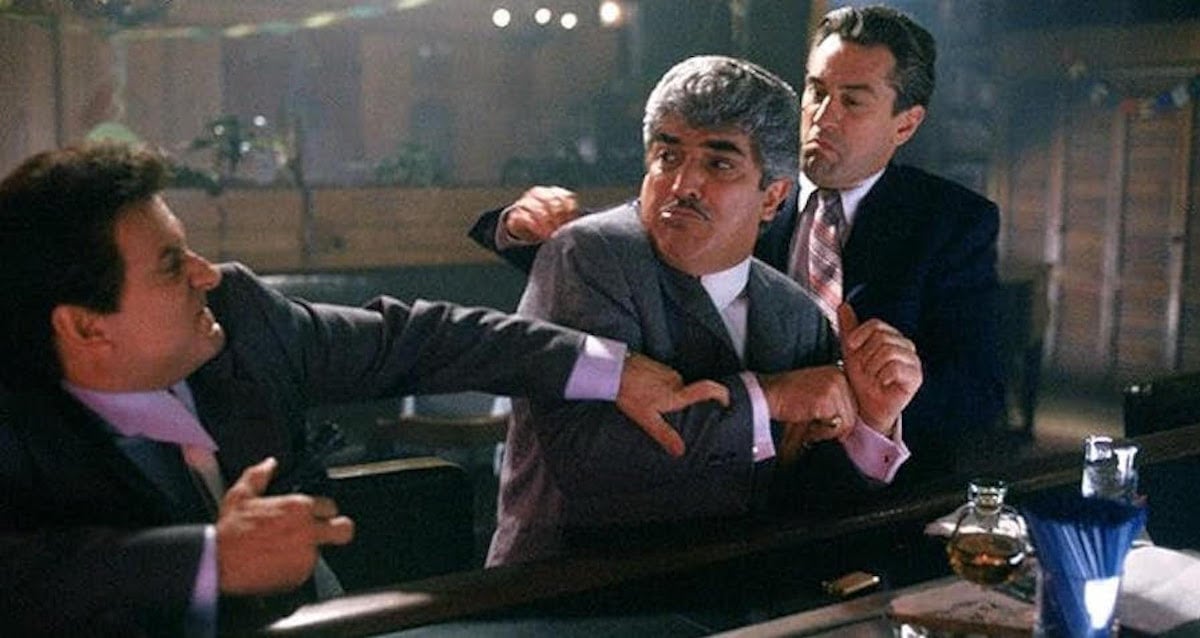
Their journey, chronicled in the book “Wiseguy” and later immortalized in Martin Scorsese’s iconic film Goodfellas, plunges us into the heart of 1970s New York City. We meet Henry Hill, a young man who falls under the sway of Paul Vario, a seasoned mobster with a reputation for brutality and cunning. Henry’s descent into the criminal underworld begins innocently enough, with petty crimes and escalating acts of violence. He quickly learns the ruthless rules of the game, forging alliances and betraying friends as he ascends through the ranks.
This story isn’t just about high-stakes gambling or illicit businesses; it delves into the psychology of these individuals, exploring how they justify their actions and cope with the moral compromises they face. It exposes the allure of power and wealth, the seductive nature of loyalty within a criminal organization, and ultimately, the devastating consequences that come with a life dedicated to crime.
The Rise of Henry Hill
Henry Hill’s story is a classic example of how easily a life can spiral into darkness. Growing up in a working-class Brooklyn neighborhood, he was exposed to the criminal world at an early age. His fascination with gangster movies and admiration for figures like Al Capone planted the seeds of his future path. At fourteen, Henry met Paul Vario, a charismatic mobster who took him under his wing. Vario saw potential in the young Hill, recognizing his intelligence and willingness to learn the ropes.
Vario became Henry’s mentor, guiding him through the intricacies of organized crime. He taught him the importance of discretion, loyalty, and violence when necessary. Henry quickly proved himself to be a valuable asset, participating in various illicit activities like arson, assault, and credit card fraud. As his involvement deepened, he began to crave the power and wealth that came with being part of a criminal organization. The allure was undeniable, and Henry found himself increasingly drawn into Vario’s world.
By his early twenties, Henry had climbed the ranks within the Lucchese crime family. He established a network of contacts, learned how to move money discreetly, and became involved in more sophisticated schemes. His life was a whirlwind of illegal activity, fueled by adrenaline and the pursuit of a lavish lifestyle. He reveled in the attention, respect, and fear he commanded, but deep down, Henry knew his actions were putting him on a dangerous path.
The Lufthansa Heist: Masterminds and Millions
Henry Hill’s ambition reached its zenith with the audacious Lufthansa heist of 1978. This wasn’t just another robbery; it was a meticulously planned operation that would forever cement his place in the real goodfellas saga. He teamed up with Jimmy Burke, a notorious figure known as “The Gent,” and together they assembled a crew of trusted associates, each with specialized skills. They spent months studying security protocols at JFK Airport, identifying weaknesses, and formulating a flawless execution.
The heist itself was executed with chilling precision. On December 11th, 1978, the team infiltrated the Lufthansa cargo building, overpowered guards, and made off with an astonishing $5.875 million – the largest robbery on US soil at the time. It was a victory that seemed impossible, a testament to their planning and audacity. But as with all things in the criminal world, the spoils couldn’t last forever.
The aftermath of the Lufthansa heist proved just as dramatic as the event itself. The enormous sum of money attracted unwanted attention from both law enforcement and rival gangs. Paranoia and suspicion ran rampant within Henry’s crew, leading to betrayals and violence that would ultimately unravel their carefully constructed world.
A Life of Crime: Beyond the Lufthansa Robbery
The Lufthansa heist wasn’t Henry Hill’s only foray into the world of crime. His life was a whirlwind of illicit activities, each more daring and risky than the last. He dabbled in point-shaving scandals with Boston College basketball, exploiting his connections to influence game outcomes for personal gain. This involved bribing athletes and manipulating scores, all for the sake of making money through illegal gambling operations.
Beyond sports, Henry was deeply involved in a large-scale narcotics operation. He trafficked massive quantities of marijuana, cocaine, heroin, and quaaludes, fueling addiction and profiting from misery. His reach extended across various criminal networks, establishing him as a key player in the drug trade. His criminal empire seemed invincible, built on greed, violence, and cunning manipulation.
However, even at the peak of his power, Henry’s world was crumbling around him. The weight of his crimes, the paranoia within his own crew, and the ever-present threat of law enforcement loomed over him. He knew he couldn’t escape his past forever, and the consequences were about to catch up with him.
Informant and Witness Protection
The walls were closing in on Henry Hill, and he knew his life as a criminal was coming to an end. Facing mounting pressure from law enforcement and fearing for his safety, he made a life-altering decision: to become an informant. In 1980, Henry turned against his former associates, exposing their crimes and providing valuable information that led to numerous arrests and convictions within the Lucchese family. This move was both courageous and treacherous; betrayal is never taken lightly in the criminal world, and Henry knew he had made a powerful enemy.
To protect himself from retaliation, Henry entered the witness protection program. He received a new identity, relocated to a safe house, and started anew, his past erased from public records. However, life under the radar wasn’t easy. He struggled with guilt over his past actions, battled addiction, and missed the familiar connections he had left behind.
Despite the challenges, Henry tried to build a new life for himself. His story, however, became a cautionary tale about the consequences of a life dedicated to crime. It highlighted the constant tension between loyalty and survival, and the profound impact that choices made in darkness can have on one’s destiny. The world of real goodfellas, as portrayed through Henry Hill’s story, served as a stark reminder that there are always strings attached, even when you think you’ve escaped the web.
Legacy of Deception and Betrayal
Henry Hill’s story became a captivating cautionary tale, exposing the dark underbelly of organized crime and the devastating consequences of betrayal. His cooperation with law enforcement led to convictions of prominent figures within the Lucchese family, shaking the very foundations of their operations. His testimony provided invaluable insights into the workings of the Mafia, shedding light on their complex hierarchy, intricate financial schemes, and ruthless tactics.
However, his decision to become an informant also came at a heavy personal cost. He was ostracized by former friends and associates, labeled a traitor, and lived in constant fear of retaliation. His life became a solitary existence, marked by paranoia and the weight of his past actions. Despite the risks he took and the sacrifices he made, Henry’s story helped to dismantle powerful criminal networks and bring justice to those who had been silenced for far too long.
His legacy serves as a reminder that even within the world of real goodfellas, morality often takes a backseat to self-preservation. It highlights the complexities of loyalty, betrayal, and the blurred lines between right and wrong when caught in the throes of a life dedicated to crime.