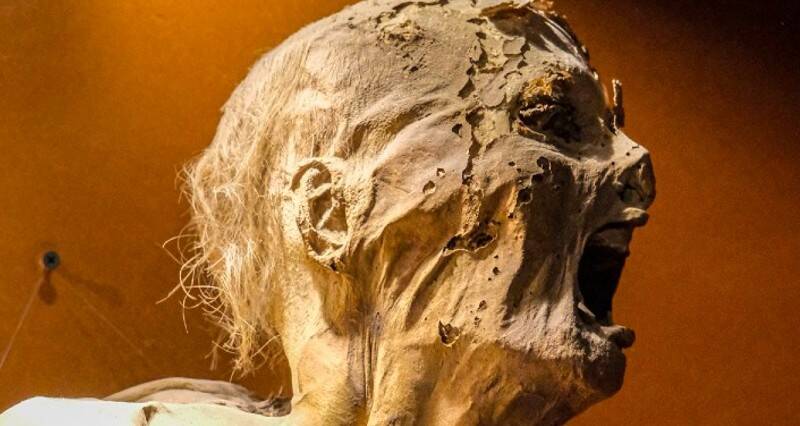
The Guanajuato crypts are a unique and eerie attraction that offers a glimpse into a bygone era of Mexico’s history. Tucked away beneath the bustling streets of this vibrant city lie over 111 preserved corpses, their faces seemingly frozen in expressions of terror.
These aren’t just any bones; these are pregnant Guanajuato mummies, individuals who met an unfortunate end during the devastating cholera epidemic of the 1830s. Exacerbated by a burial tax that favored above-ground crypts, bodies were interred in a warm, arid climate that naturally preserved them over time. While the chilling expressions might appear to be screams captured forever, they are actually due to relaxed jaw muscles post-mortem, not actual vocalizations during burial.
The museum showcasing these mummies paints their stories with fictionalized backstories, further adding to their mystique and allure. This blend of history and speculation draws visitors from around the world, eager to experience this chilling glimpse into Mexico’s past. However, alongside the fascination lies a growing concern for the ethical treatment of these remains.
Guanajuato’s Mummified Souls: A Chilling History
The story of the Guanajuato mummies is intricately woven with the city’s history. The 1830s cholera epidemic swept through Mexico, leaving a trail of devastation in its wake. In an attempt to manage the overwhelming number of deaths and cope with the financial burden of burials, authorities implemented a burial tax that incentivized above-ground crypts.
These crypts provided a unique solution but inadvertently gave birth to a chilling phenomenon. The warm, dry climate of Guanajuato proved ideal for mummification. Over time, bodies interred in these crypts were naturally preserved, their forms frozen in time. The result? Not just common mummies, but the infamous pregnant Guanajuato mummy and many others whose stories remain shrouded in mystery.
Today, those who wander through the dimly lit museum are greeted by a silent procession of these preserved souls, each bearing witness to a tragic chapter in Mexico’s past. Visitors can learn about the lives they once lived, their deaths during the epidemic, and how their bodies were transformed into the chilling exhibits we see today.
The Science Behind the Screams
The chilling expressions of the Guanajuato mummies often lead visitors to believe they are capturing a moment of terror frozen in time. However, the science behind these seemingly terrified faces tells a different story. The eerie grimaces and contorted postures are not actual screams preserved by death but rather the natural result of relaxed jaw muscles after the body stops functioning.
In life, our facial muscles constantly work to hold our expressions in place. But once we die, these muscles lose their tone and relax. This relaxation can lead to an unnatural contortion of the face, giving the illusion of a scream or grimace. Imagine a puppet whose strings are suddenly cut – its limbs might fall into odd positions, much like the relaxed muscles of a deceased person.
While the expressions are purely anatomical, they contribute immensely to the eerie atmosphere surrounding the pregnant Guanajuato mummies and their companions. The interplay of history, science, and our natural tendency to anthropomorphize adds another layer of complexity to these fascinating remains.
Unveiling Individual Stories
Beyond the eerie spectacle of the preserved bodies, the Guanajuato crypts house individual stories waiting to be pieced together. While many remain anonymous, some mummies have been identified through historical records and DNA testing, offering glimpses into their lives before death. One such story belongs to Ignacia Aguilar, a woman who was buried alive due to an assumed death. Her gripping tale includes the final moments of her life as evidenced by bite marks on her arm.
Another poignant discovery is that of a pregnant Guanajuato mummy, showcasing the tragedy of childbirth and loss during this tumultuous period in history. Alongside her rests the remains of her 24-week-old fetus, a stark reminder of the fragility of life. These identifications add a layer of humanity to these chilling exhibits, transforming them from nameless figures into individuals with unique experiences, fears, and hopes.
Despite efforts for identification through historical records and DNA testing, many mummies remain shrouded in mystery. Their stories continue to intrigue visitors, who often find themselves drawn to the possibility of uncovering their hidden pasts.
Respecting the Past: Ethical Concerns
The fascination surrounding the Guanajuato mummies has led to a surge in tourism, bringing both economic benefits and ethical challenges. While the museum offers a unique glimpse into history, there are growing concerns about the respectful treatment of these remains.
Some argue that displaying bodies, especially those with identifiable personal stories like the pregnant Guanajuato mummy, crosses a line and disrespects their memory. Others point to potential contamination risks for visitors from fungal spores present in the crypts, highlighting the need for stricter safety measures. This delicate balance between preserving history and respecting the deceased requires careful consideration.
The future of the Guanajuato mummies lies in finding a solution that acknowledges both the historical significance and the ethical implications of their display. This might involve implementing more respectful museum practices, prioritizing educational content over sensationalism, and engaging in open dialogue with experts and the community to ensure these remains are treated with the dignity they deserve.
Beyond the Mystery of the Mummies
While the Guanajuato mummies undoubtedly capture our attention with their chilling mystery, they represent only a fragment of Mexico’s rich history and cultural tapestry. The city itself is a vibrant blend of colonial architecture, bustling markets, and lively art scenes, offering visitors a sensory feast beyond the crypts. Exploring the local cuisine, attending traditional festivals, or simply wandering through the cobblestone streets provides a deeper understanding of Guanajuato’s multifaceted identity.
Stepping outside the confines of the museum allows us to connect with the living legacy of this remarkable place. The stories woven into the fabric of daily life in Guanajuato – from the artisans crafting intricate silver jewelry to the passionate mariachi bands filling the air with music – offer a more complete picture than the silent tales of the pregnant Guanajuato mummies alone.
By embracing a holistic approach to exploration, we can appreciate Guanajuato not just as a site of morbid fascination, but as a truly captivating destination brimming with life, history, and cultural richness.