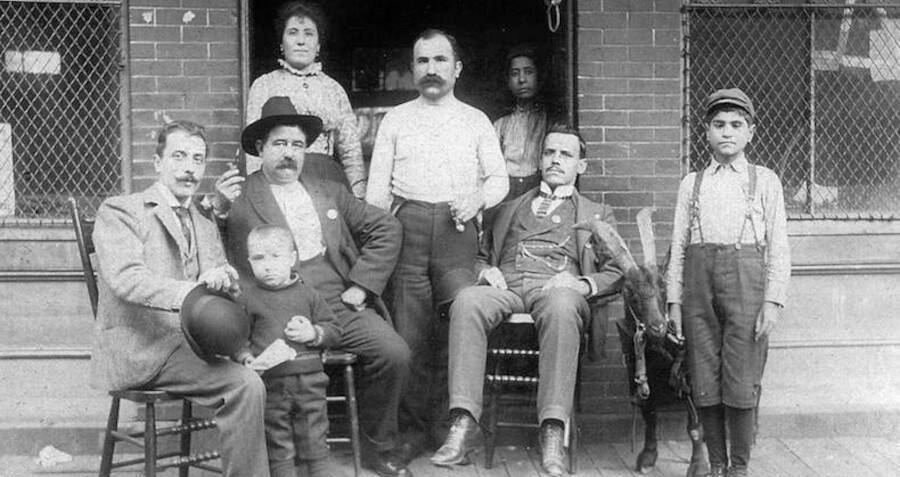
The whispers of the past echo through history, carrying tales of shadowy figures and clandestine dealings. These are the stories of organized crime, woven into the very fabric of societies across the globe. At the heart of these narratives lies a concept both intriguing and terrifying: the mafia’s code of silence, known in Italian as omertà.
Omertà isn’t simply about keeping secrets; it’s a way of life, a deeply ingrained belief system that permeates every aspect of organized crime. It dictates loyalty above all else, demanding unwavering adherence to the “family” and its unspoken rules. Breaking this code, even under duress, is seen as the ultimate betrayal, punishable by severe consequences – sometimes even death. Imagine a world where speaking out could cost you your life, where trust is earned through silence, not words. This is the reality that omertà creates, a chilling paradox where silence becomes both protection and imprisonment.
For centuries, this code of silence has allowed organized crime to flourish in the shadows, operating with impunity. Its grip on communities was so tight that even those who witnessed crimes often stayed silent, fearing for their own safety and the well-being of their loved ones. But like any fortress built on sand, omertà eventually crumbled under the weight of its own contradictions.
Omertà: The Code of Silence
The term omertà itself, meaning “silence” or “keeping quiet” in Sicilian dialect, carries a weight far beyond its simple definition. It’s not merely a matter of choosing discretion; it’s a deeply ingrained code of conduct that permeates every aspect of organized crime life. For those inducted into these clandestine organizations, omertà becomes a binding oath, a promise whispered in the shadows that demands unwavering loyalty and absolute secrecy.
Imagine a world where speaking out against wrongdoing could cost you your life, where trust is earned through silence, not words. This is the reality omertà creates, a chilling paradox where silence becomes both protection and imprisonment. Within these closed-off worlds, betrayal is seen as the ultimate sin, punishable by brutal consequences. Even trivial matters, seemingly inconsequential to outsiders, can become life-or-death situations when viewed through the lens of omertà. This code isn’t just about protecting criminal activities; it’s about safeguarding the entire structure of power within these organizations.
But while omertà has proven remarkably effective in shielding organized crime from scrutiny for decades, its very nature creates inherent weaknesses. The heavy burden of silence can lead to paranoia and mistrust among members, creating an environment ripe for internal conflict and betrayal.
Roots and Evolution of Omertà
Pinpointing the exact origins of omertà is a bit like trying to untangle a centuries-old knot – it’s complex and shrouded in layers of history. Some scholars believe it arose as a form of resistance against Spanish rule in Sicily during the 16th century, a silent rebellion against oppressive power structures. Others argue that omertà emerged more organically from the realities of outlawry and banditry that plagued Southern Italy throughout the 19th century.
Regardless of its genesis, omertà took root in Sicilian society and became deeply intertwined with local culture. It wasn’t simply a code for criminals; it was a way of life, a shared understanding that permeated every aspect of daily existence. Stories about honor, loyalty, and protecting one’s own were woven into the fabric of Sicilian folklore, reinforcing the importance of silence and discretion.
As Italian immigrants began to settle in North America during the late 19th century, they brought omertà with them, transplanting this code of silence onto American soil. The closed communities that formed around these immigrant enclaves provided fertile ground for organized crime to flourish, shielded by the very same walls of secrecy that had protected it in Italy.
Omertà in North America
The arrival of Italian immigrants in North America during the late 19th century marked a turning point for organized crime. These newcomers, carrying with them the traditions and beliefs of their homeland, found fertile ground for growth in the bustling cities of the United States and Canada. The tight-knit communities they established provided a sense of belonging and protection, reinforcing the power of omertà and shielding criminal activities from outside scrutiny.
The echoes of omertà, however, reverberated beyond the Italian community. As organized crime expanded its reach, it infiltrated other groups and cultures, spreading the influence of silence and secrecy far and wide. This pervasive code became a cornerstone of American gangsterism, shaping the narrative of notorious figures like Al Capone and John Gotti, whose criminal empires thrived under the veil of omertà.
But as law enforcement agencies grew in sophistication and determination, they began to realize that cracking the code of silence was key to dismantling organized crime networks. The pressure mounted, forcing individuals within these closed communities to make difficult choices – remain silent and risk their own safety or break ranks and expose the truth.
Breaking the Code: Informants and Justice
The history of organized crime is a cat-and-mouse game between criminals and law enforcement, with omertà acting as the ultimate shield for those seeking to operate in secrecy. But even the most impenetrable walls can crumble under persistent pressure. Over time, cracks began to appear in the facade of silence, revealing glimpses into the inner workings of these criminal enterprises.
One of the first major blows to omertà came from within. In 1963, Joseph Valachis, a high-ranking member of the New York Mafia, broke ranks and agreed to testify against his former associates. His revelations exposed the mafia’s hierarchical structure, its vast financial networks, and the extent of its influence over legitimate businesses. This watershed moment demonstrated that omertà was not an unbreakable law, but a code that could be broken under duress or by individuals seeking redemption.
Further cracks appeared in the 1980s and 1990s with the testimonies of several high-profile informants. Tommaso Buscetta’s revelations about the Sicilian Mafia were instrumental in dismantling its power structure, while Henry Hill’s cooperation with authorities in the US crippled organized crime throughout the country. The consistent willingness of individuals to speak out against their former associates sent a powerful message: omertà was weakening, and the walls surrounding organized crime were finally beginning to crumble.
The Legacy of Silence
The legacy of omertà continues to cast a long shadow over organized crime, even as its grip on power has significantly weakened. While the code of silence may no longer hold the same absolute sway it once did, its influence can still be felt in certain communities and cultures where loyalty and discretion remain paramount.
The stories of those who broke ranks and risked their lives to expose the truth serve as a testament to the human spirit’s capacity for courage and change. Their actions have not only brought criminals to justice but have also chipped away at the foundations of omertà, reminding us that even the most deeply ingrained codes can be challenged and ultimately broken.
The fight against organized crime is far from over, but the erosion of omertà has undoubtedly shifted the balance of power in favor of law enforcement and those seeking justice. As societies continue to evolve, it’s likely that traditional codes of silence will face increasing pressure, paving the way for greater transparency and accountability within criminal organizations.