The tapestry of Native American folklore is woven with captivating tales of wonder and terror, revealing deep-seated cultural beliefs and societal anxieties. Among these narratives, the most chilling often feature monstrous beings known as native american cryptids. These creatures, distinct to various tribes across the Americas, serve not only as entertainment but also as cautionary figures, embodying fears and serving as reminders of ethical boundaries within their respective cultures.
Exploring native american cryptids offers a glimpse into the diverse worldviews of Indigenous communities, highlighting their unique interpretations of the natural world and the supernatural. Each monster possesses distinct characteristics and origins, reflecting the specific cultural context in which it emerged. Some, like the Wendigo, have transcended tribal boundaries to become ingrained in mainstream popular culture. Yet, even within these widely recognized narratives, the original essence of fear and respect for these creatures remains palpable.
Others, like the Skadegamutc (a ghost witch killed only by fire), remain largely confined to their specific cultural contexts, accessible primarily through oral traditions passed down through generations. This diversity underscores the richness and complexity of Native American storytelling, where each cryptid serves as a potent symbol with multifaceted meanings.
Monsters From Tribal Lore
Delving into the realm of tribal lore unveils a fascinating array of monstrous beings, each with its own unique characteristics and cultural significance. Many of these creatures embody fears specific to the environment or societal norms of their respective tribes. For instance, the Skinwalker, a shapeshifting entity from Navajo tradition, represents the violation of sacred laws and the dangers of unchecked power. Its ability to assume various animal forms highlights the reverence for nature held by the Navajo people, while simultaneously serving as a warning against those who disregard its sanctity.
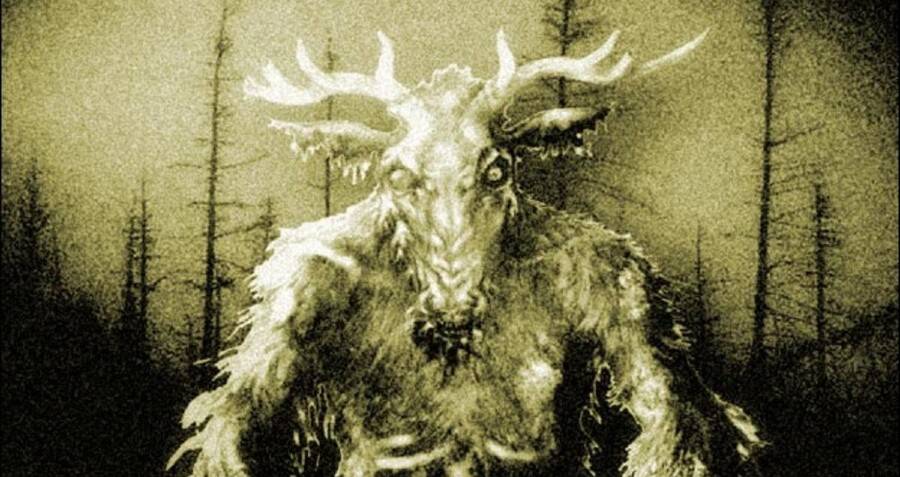
Another prominent figure in Native American mythology is the Wendigo, a monstrous cannibalistic spirit from Algonquin-speaking tribes. This terrifying creature, often depicted as an emaciated humanoid with glowing eyes and an insatiable hunger for human flesh, preys on individuals during harsh winter months, symbolizing the dangers of greed, selfishness, and isolation. These cryptids, born out of cultural anxieties and societal taboos, act as cautionary tales, reminding communities of the importance of adhering to moral codes and respecting the natural world. Their enduring presence in folklore speaks to their continued relevance in shaping cultural identity and transmitting vital lessons across generations.
Furthermore, some native american cryptids, like the terrifying water serpent known as the A’anini from Cherokee tradition, serve as protectors of sacred sites or embody spiritual forces associated with specific natural phenomena. These creatures demonstrate the multifaceted role of monsters in Native American mythology, encompassing not only fearsome predators but also guardians and embodiments of powerful spiritual energies.
The Wendigo: A Cannibalistic Terror
The Wendigo stands as a chilling figure in Algonquin-speaking tribal lore, embodying the darkest aspects of human nature and serving as a potent warning against greed and gluttony. This monstrous creature, often depicted as a skeletal humanoid draped in rotting flesh with an insatiable hunger for human flesh, preys on individuals during harsh winter months, when survival is most precarious. The Wendigo’s very existence represents the danger of succumbing to primal urges and the potential for humanity to descend into savagery.
Traditionally, the tale of the Wendigo was used to instill cautionary lessons within communities, emphasizing the importance of sharing resources and adhering to moral codes during times of scarcity. A person who exhibited excessive greed or consumed human flesh would be said to undergo a transformation into a Wendigo, perpetuating a cycle of violence and cannibalism. This monstrous entity thus served as a reminder of the consequences of transgression and the fragility of human morality in the face of extreme hardship.
The enduring popularity of the Wendigo story speaks to its profound impact on cultural memory and its continued relevance in exploring themes of human darkness and societal anxieties. Its depiction has permeated popular culture, appearing in films, literature, and video games, further cementing its place as a powerful symbol of fear and fascination within the realm of native american cryptids.
Lesser-Known Cryptids and Their Stories
Beyond the widely recognized figures like the Wendigo and Skinwalker lie countless lesser-known cryptids, each with its own captivating story woven into the fabric of specific tribal cultures. These creatures often reflect unique environmental concerns, historical events, or societal anxieties specific to their origin communities. Exploring these less familiar narratives offers a deeper understanding of the diversity and richness of Native American storytelling traditions.
For instance, the Skadegamutc, a ghost witch from Salishan tribes found in the Pacific Northwest, serves as a cautionary tale against disrespecting sacred knowledge and exploiting natural resources. This menacing figure, said to be impervious to physical harm and possessing the ability to control fire, highlights the importance of ethical stewardship of the land and reverence for ancestral wisdom. Similarly, the Ts’eh, a giant thunderbird from Navajo tradition, embodies both awe and fear, representing the power and unpredictability of nature while also serving as a protector of sacred sites.
These lesser-known cryptids, though often confined to specific tribal contexts, collectively illuminate the enduring power of storytelling to convey cultural values, anxieties, and beliefs across generations. Their existence speaks to the vast tapestry of human experience, revealing the unique ways in which different cultures interpret the world around them and grapple with the mysteries that lie beyond our comprehension.
Fear, Folklore, and Cultural Warnings
The enduring presence of monstrous figures in Native American folklore reveals a deeper purpose beyond mere entertainment. These tales often function as potent cultural warnings, transmitting vital lessons about morality, societal expectations, and the consequences of transgressions. The fear instilled by these cryptids serves not to paralyze but rather to guide individuals towards ethical behavior and reinforce cultural norms.
Stories of monstrous entities like the Skinwalker or the Wendigo serve as cautionary tales against greed, selfishness, and disrespect for sacred laws. They highlight the dangers of unchecked ambition and remind communities of the importance of interdependence and shared responsibility. By portraying the horrifying consequences of such actions, these narratives aim to deter individuals from engaging in harmful behavior and promote social harmony within their respective cultures.
Furthermore, native american evil spirits, often depicted as vengeful entities or embodiments of misfortune, reinforce the concept of spiritual accountability and the interconnectedness of human actions with natural and supernatural forces. These stories emphasize the need for respect towards ancestors, the land, and all living beings, underscoring the profound impact of individual choices on the well-being of the entire community.
Exploring Indigenous Storytelling
Delving into the realm of indigenous storytelling offers a profound window into the rich tapestry of Native American cultures and their unique perspectives on the world. Oral traditions, passed down through generations, serve not only as entertainment but also as repositories of knowledge, history, ethics, and spiritual beliefs. These narratives, often featuring monstrous beings known as cryptids, embody the wisdom accumulated over centuries and provide invaluable insights into Indigenous cosmologies and social structures.
Storytelling within Native American communities is a dynamic and collaborative art form. Elders serve as keepers of tradition, sharing their knowledge and experiences through elaborate tales that engage all members of the community. Young individuals learn about their cultural heritage, moral codes, and historical events through these captivating narratives, ensuring the continuity of tradition and fostering a strong sense of communal identity. The oral transmission of stories allows for adaptation and evolution over time, reflecting the ever-changing world while preserving the core values that define each tribe.
Furthermore, indigenous storytelling emphasizes the interconnectedness of all things and the importance of balance between humans, nature, and the spirit world. Cryptids often serve as symbolic representations of this delicate equilibrium, highlighting the consequences of disrupting natural order or transgressing sacred boundaries. By listening to these timeless tales, we gain a deeper understanding of the intricate worldview that informs Native American cultures and their enduring connection to the land and its mysteries.