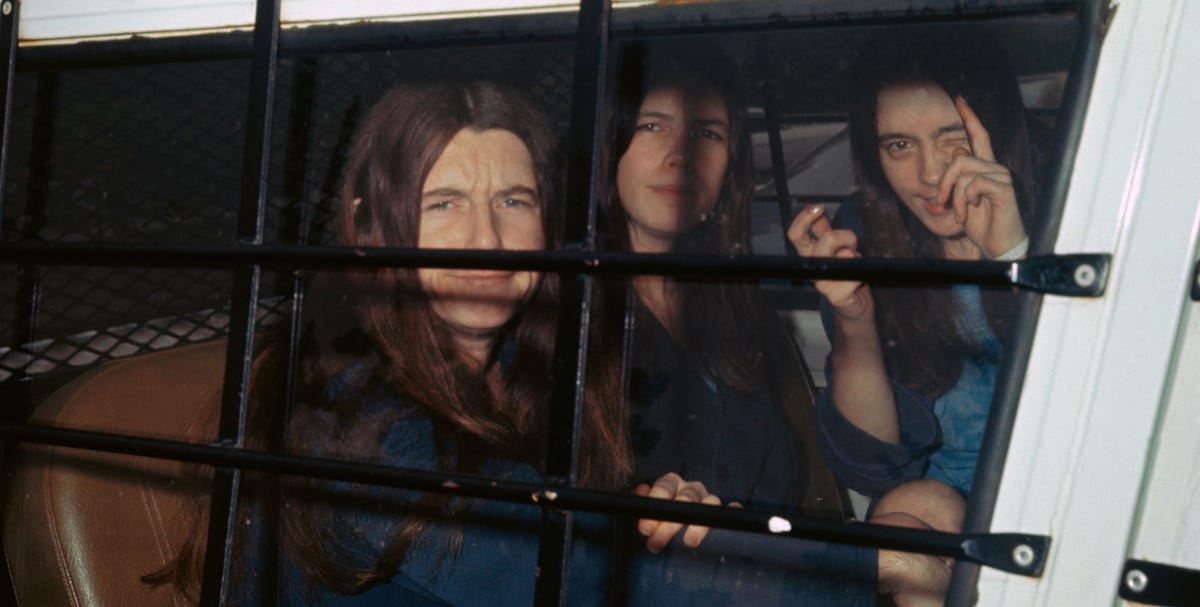
The notorious Manson Family, led by Charles Manson in the late 1960s, left an indelible mark on American history with their infamous crimes. As the decades have passed, the fates of these individuals have taken varied paths, often shrouded in mystery and intrigue.
In exploring the topic of Manson Family Members Today: Where Are They Now?, we delve into the lives of surviving members and their attempts to reintegrate into society, facing the consequences of their past actions. This examination reveals a complex tapestry of redemption, denial, and ongoing infamy.
The Current Lives of Manson Family Members: An Overview
As we look into the current lives of Manson Family members, it is evident that many have chosen vastly different paths since their notorious crimes. Some have sought rehabilitation and reintegration into society, while others remain entrenched in their past. Notably, several former members have publicly expressed remorse, hoping to shed the weight of their history and forge new identities away from the shadow of Charles Manson.
Among the surviving members, some have engaged in activism or artistic pursuits as a means of coping with their past. For instance, individuals like Dianne Lake have actively shared their stories, aiming to educate the public about the dangers of cults. Their efforts have often been met with skepticism, yet they continue to strive for personal redemption.
Interestingly, the remaining members also reflect a spectrum of responses to their notoriety:
- Isolation: Many choose to live quietly, avoiding the spotlight to escape public scrutiny.
- Public Appearances: A few have embraced their infamy, engaging in media interviews and documentaries.
- Denial of Guilt: Some members still maintain a belief in the righteousness of their past actions, resisting any sense of remorse.
A table summarizing the fates of key members provides a clear overview of their current situations:
| Name | Status | Current Activities |
|---|---|---|
| Patricia Krenwinkel | Incarcerated | Participating in prison programs |
| Dianne Lake | Free | Public speaking, writing |
| Charles “Tex” Watson | Incarcerated | Writing books on faith |
Ultimately, the journey of Manson Family members today illustrates a complex interplay of redemption and the enduring legacy of their actions. As they navigate their lives, many continue to confront the societal stigma attached to their past, while trying to carve out a semblance of normalcy in a world that often refuses to forget.
Manson Family Members: Where Are They Now in 2026?
As of 2026, the remaining members of the Manson Family have continued to navigate the complexities of their past. Some, like Dianne Lake, have transformed their experiences into cautionary tales, working tirelessly to educate others about the dangers of cults. Her commitment to raising awareness has resulted in a platform where she can openly discuss her experiences, pushing against the shadows of her former life.
Others, such as Patricia Krenwinkel and Charles “Tex” Watson, remain incarcerated, serving lengthy sentences for their roles in the infamous crimes. Krenwinkel has engaged in various prison rehabilitation programs, while Watson has taken a different path, focusing on religious writings to find solace in his faith. This divergence in paths highlights the personal struggles each member faces in dealing with their notorious history.
Moreover, the reactions of former members to their past actions continue to vary significantly. Some have sought to distance themselves from their Manson affiliation, while others remain unapologetic. Here’s a brief overview of their current stances:
- Seeking Redemption: Members like Dianne Lake actively pursue paths that promote healing and education.
- Staying Silent: Several individuals choose to live in obscurity, avoiding any media attention.
- Defending the Past: Some still express pride in their actions, rejecting any notion of guilt or remorse.
In summary, the lives of Manson Family members in 2023 reveal a spectrum of responses to their infamy. As they confront the legacies of their past, many face significant challenges in seeking acceptance and understanding in a society that often remains unforgiving.
Life After Charles Manson: Updates on His Followers
Life after Charles Manson has been a tumultuous journey for many of his followers as they grapple with the consequences of their past. Some have tried to forge new identities, while others remain entangled in the shadows of their notoriety. The quest for redemption has been a common theme, with a few individuals seeking to make amends through various forms of activism and public engagement.
For instance, former member Dianne Lake has emerged as a notable figure in the fight against cult influence, sharing her experiences to educate others. In contrast, members like Patricia Krenwinkel and Charles “Tex” Watson continue to serve their sentences, focusing on rehabilitation and personal reflection during their incarceration.
As they navigate their lives, the responses of these former members to their past actions remain diverse:
- Activism: Some, like Dianne Lake, actively promote awareness about the dangers of cults.
- Prison Programs: Others participate in rehabilitation efforts, seeking personal growth while incarcerated.
- Denial: A few still defend their past actions, maintaining a belief in their former ideology.
The ongoing saga of the Manson Family members showcases the lasting impact of their choices, both on themselves and society. The path toward healing and acceptance varies greatly among them, but collectively, they serve as a reminder of the complex nature of guilt, redemption, and the struggle for personal identity in the wake of infamy.
Manson Family Survivors: Stories of Redemption and Regret
The journey of the surviving members of the Manson Family is marked by a profound struggle for redemption and a haunting sense of regret. Many have sought to redefine their lives, distancing themselves from the chaos of their past. For instance, individuals like Dianne Lake have publicly acknowledged their former actions, using their stories to educate and warn others about the manipulations of cults. Their transformations illustrate a deep desire to move beyond the dark legacy of Charles Manson.
However, not all survivors share the same path to healing. Some members grapple with persistent feelings of guilt and shame, while others remain entrenched in denial. This dissonance creates a complex narrative of survival, as they navigate their identities in a society that rarely forgives. The different ways they cope with their history highlight the varied psychological impacts of their experiences:
- Public Advocacy: Members like Dianne Lake actively work to prevent others from falling into similar traps.
- Isolation: Several choose to retreat from public life, overwhelmed by the weight of their past.
- Continued Denial: A few still cling to the beliefs that once defined them, rejecting any notion of wrongdoing.
For many former members, the act of recounting their stories serves as both a form of therapy and a means of seeking forgiveness. The struggle for acceptance in a world that often views them through a lens of horror is an ongoing battle. As they share their experiences, they attempt to reshape their narratives, transforming from infamous figures into voices of caution and change.
Ultimately, the stories of Manson Family survivors reveal a nuanced reality where the quest for redemption is fraught with challenges. These individuals serve as reminders that the journey toward healing is complex, and the scars of their past will always remain a part of their identities, even as they strive for a future defined by hope and reconciliation.
The Legacy of the Manson Family: Impact on Modern Society
The legacy of the Manson Family extends beyond their horrific crimes, influencing modern society in significant ways. The sensational nature of their actions sparked a cultural fascination with cults and the psychological manipulation employed by charismatic leaders. This has led to a renewed interest in understanding the dynamics of cult behavior and the vulnerabilities that can lead individuals to join such groups, making it a point of study in psychology and criminology.
Moreover, the Manson Family has become a cultural touchstone, appearing in various media forms that explore themes of violence, control, and the darker aspects of human nature. Movies, documentaries, and books continue to reference their story, often raising questions about morality and the capacity for evil in society. This ongoing representation serves not only to entertain but also to educate audiences on the lasting effects of cult influence and the importance of critical thinking in the face of persuasive ideologies.
In addition, the societal response to the Manson Family’s legacy has spurred discussions around criminal justice reform, particularly regarding the rehabilitation of former cult members. Advocates argue that understanding the psychological coercion involved in cults is essential for fair treatment in the justice system. Programs aimed at rehabilitation rather than purely punitive measures are gaining traction, reflecting a shift towards a more compassionate approach for those who were once ensnared in manipulative environments.
Lastly, the Manson Family’s story serves as a cautionary tale about the potential for societal disruption when individuals become isolated from their communities. Their narrative has prompted initiatives aimed at fostering stronger community ties and resilience against extremist ideologies. By examining the impact of isolation and manipulation, modern society seeks to prevent the emergence of similar groups, ensuring a more informed and vigilant populace.
Unraveling the Mysteries: The Fate of Manson Family Members Today
As we delve deeper into the lives of Manson Family members today, it becomes clear that many are still grappling with the consequences of their notorious past. The journey of these individuals is often characterized by a quest for understanding and healing, where some have found a sense of purpose through activism and education. For instance, many have engaged in efforts to warn others about the manipulative tactics used by cult leaders, demonstrating a desire to transform their dark legacies into cautionary tales.
Among the surviving members, the theme of personal transformation is prevalent. Those like Dianne Lake have become outspoken advocates against cult influence, sharing their harrowing experiences to help others recognize the signs of manipulation. Conversely, some members remain disconnected from society, choosing to live in obscurity as they confront their past, revealing a stark contrast in how individuals cope with their identities post-Manson.
The societal reactions to these former members vary greatly, reflecting a complex interplay of forgiveness and condemnation. Here’s a brief summary of current activities and outlooks:
- Activism and Education: Dianne Lake actively promotes awareness about the dangers of cults through public speaking.
- Continued Incarceration: Patricia Krenwinkel and Charles “Tex” Watson remain in prison, focusing on personal reflection and rehabilitation.
- Public Denial: Some members still express pride in their past, resisting any notions of guilt or remorse.
This tapestry of experiences among the Manson Family members illustrates the ongoing struggle for redemption amidst a backdrop of infamy. Their varied paths highlight the lasting impact of their choices, both on themselves and on society at large. As they navigate the complexities of their past, many continue to confront the societal stigma attached to their former lives, seeking a semblance of healing and acceptance.