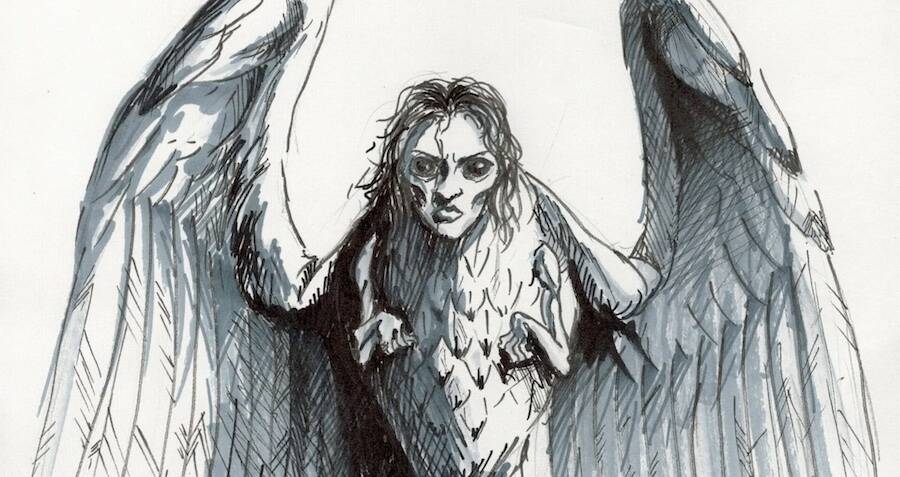
Delve into the shadowy corners of Mexican folklore, where legends whisper tales of a creature both fascinating and terrifying – La Lechuza. This spectral owl, towering seven feet tall with the visage of an aged woman, haunts the night, preying on unsuspecting souls. Its chilling wails echo through the darkness, luring victims to their doom.
Many believe that La Lechuza was once a human woman, wronged and twisted by fate into this monstrous form. Some say she is a witch’s familiar, bound to her mistress’ will, while others whisper of darker origins – a servant of Satan himself. Regardless of her genesis, La Lechuza remains an enduring symbol of fear and superstition within Mexican culture.
The legend of La Lechuza has woven itself into the fabric of everyday life, serving as a cautionary tale passed down through generations. From bustling city streets to quiet countryside villages, stories of encounters with this enigmatic creature persist, reminding us that sometimes, the shadows hold more than we can imagine.
The Fearsome Appearance and Origins
Imagine a creature born of nightmares: seven feet tall with piercing yellow eyes and feathers as dark as midnight. This is the terrifying visage of La Lechuza, a being that strikes fear into the hearts of Mexicans. Her most unsettling feature, however, is her face – that of an old woman, wrinkled and gaunt, with a cruel smile perpetually etched upon her lips. It’s a chilling reminder that this lechuzas mexico is not merely an owl; it’s something far more sinister.
The origins of La Lechuza remain shrouded in mystery, adding to the mystique surrounding this legendary creature. Some believe she was once a human woman scorned and driven to madness by betrayal or injustice. Others whisper that she is a witch’s familiar, bound to serve her mistress’ dark desires. Perhaps she is even a servant of Satan himself, drawn from the abyss to prey upon the innocent.
Whatever truth lies behind her origins, La Lechuza’s appearance alone is enough to send shivers down your spine. It’s a testament to the power of human imagination and the enduring fascination with creatures that blur the lines between reality and myth.
Preying on the Vulnerable
La Lechuza is not indiscriminate in her choice of victims. She preys on the vulnerable, those who are isolated and easy to manipulate. Drunk men stumbling out of taverns at night are often targeted, their clouded judgment making them ripe for her sinister enchantments. Children, too, are considered susceptible, their innocence and vulnerability drawing La Lechuza closer like a moth to a flame.
Imagine a lonely child wandering home late at night, the wind whispering through the trees like ghostly voices. Suddenly, a chilling screech pierces the darkness, followed by the sound of soft cries – a baby weeping in distress. The poor child, drawn to the sound, turns towards the source, unaware of the danger lurking just beyond the shadows. This is how La Lechuza operates, using her deceptive calls and manipulative tactics to lure unsuspecting victims into her grasp.
Once ensnared, there’s no escape. La Lechuza’s talons are said to be as sharp as daggers, capable of delivering a fatal wound with ease. Some believe she feeds on the life force of her victims, draining them of their vitality until nothing remains but a hollow shell.
 What Happens When You Get Your Fingerprints Scanned
Warding Off the Evil Owl Spirit
While La Lechuza is a fearsome creature, there are ways to protect oneself from her evil influence. Many Mexicans follow traditional practices passed down through generations, hoping to ward off this menacing spirit.
One common method is to keep your home well-lit at night. The darkness provides cover for La Lechuza, so illuminating your surroundings can deter her from approaching. Hanging charms made of red peppers, garlic, or even small mirrors are also believed to repel the evil owl spirit. These items are thought to possess protective powers, warding off negativity and misfortune.
Some believe that reciting prayers and litanies dedicated to saints like Saint Michael or Our Lady of Guadalupe can offer a spiritual shield against La Lechuza’s influence. Others swear by sprinkling their homes with chile powder and salt, creating a barrier that the creature cannot cross. Ultimately, these practices serve as a reminder that even in the face of fear, there are ways to find solace and protection through faith, tradition, and the power of belief.
La Lechuza in Modern Mexico
Despite the passage of time and modernization, La Lechuza continues to hold a prominent place in Mexican culture. Her legend persists in popular media, appearing in films, television shows, and even video games. The enduring fascination with this chilling creature speaks volumes about the power of folklore to capture our imaginations and connect us to our cultural heritage.
While some dismiss La Lechuza as mere superstition, many Mexicans still hold a deep reverence for her legend. Stories of encounters with the lechuzas mexico are often shared around campfires or whispered between friends, serving as cautionary tales and reminders to be wary of the unknown. Even today, families may incorporate traditional rituals and practices into their lives, seeking protection from La Lechuza’s malevolent influence.
La Lechuza’s legacy serves as a testament to the enduring power of storytelling and the human need to grapple with fear and uncertainty. In a world that often feels chaotic and unpredictable, she offers a glimpse into the shadowy realms of our collective imagination, reminding us that sometimes, the most terrifying creatures are those born from our own fears and anxieties.
Beyond Folklore: Cultural Significance
La Lechuza’s influence extends far beyond simple folklore; her legend speaks to deeper cultural anxieties and societal values within Mexican society. Her association with preying on the vulnerable, particularly drunk men and children, reflects a concern for those most susceptible to exploitation and harm.
Some scholars believe that La Lechuza embodies the fear of female power and independence, as she is often depicted as a scorned woman seeking revenge. Others argue that her connection to witchcraft and the supernatural highlights the enduring stigma attached to women who dare to challenge traditional norms.
Regardless of interpretation, La Lechuza’s enduring presence in Mexican culture serves as a powerful reminder of the complex ways in which folklore can reflect social anxieties, cultural beliefs, and historical experiences. She stands as a symbol of the duality within human nature – capable of both great strength and terrible darkness.