Welcome to the fascinating world of Haitian Vodou, where spirits and humanity intersect in a vibrant tapestry of beliefs and practices. Today, we’re diving deep into the heart of this unique religion, focusing on a particularly captivating figure: Papa Legba. You might have heard whispers about him, maybe even seen his image depicted in pop culture. But there’s much more to this revered entity than meets the eye.
Papa Legba isn’t just some random spirit; he’s the king of voodoo, the gatekeeper who stands between our world and the ethereal realm where spirits reside. Think of him as the bouncer at a cosmic club, deciding who gets in and who stays out. He speaks all languages, bridging the gap between humanity and Bondye, the supreme creator, acting as a vital intermediary in this spiritual exchange.
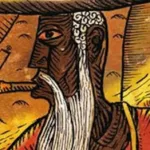
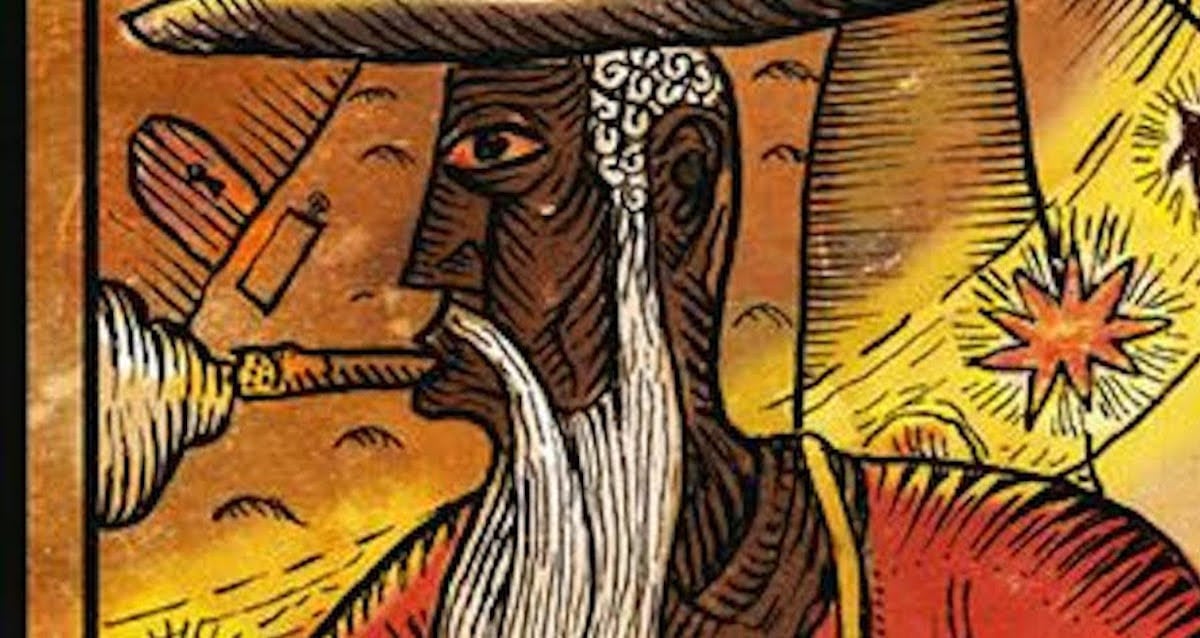
His origins trace back to West Africa, where his story intertwined with the transatlantic slave trade, absorbing elements of Roman Catholicism along the way. This fascinating blend created a unique syncretic religion that continues to thrive today. Papa Legba is often depicted as an old man with a limp, perhaps smoking a pipe and leaning on a cane – symbols of his role as the gatekeeper between realms.
Papa Legba: The Gatekeeper of Spirits
Now, let’s delve deeper into the role of Papa Legba, this pivotal figure in Haitian Vodou. As the gatekeeper of spirits, he holds immense power and responsibility. Think of him as the air traffic controller for the spiritual realm, guiding and directing the flow of energies between worlds. Before any rituals or ceremonies can commence, Papa Legba must be appeased and called upon.
He grants permission for other lwa (spirits) to enter the physical realm, ensuring a smooth and harmonious interaction between the spiritual and human planes. Without his blessing, the spirits might not heed the call or could even cause disruption. It’s crucial to remember that Papa Legba is not just a passive figure; he’s an active participant in these rituals, wielding his influence to shape the outcome of ceremonies and guide practitioners on their spiritual journeys.
Being both benevolent and mischievous, he demands respect and offerings – think delicious food, fragrant drinks, flickering candles, and sincere acknowledgement – before opening the doors for other spirits. He’s a complex entity, capable of great kindness and playful trickery, reminding us that power should always be handled with reverence and awareness.
Origins and Evolution in Haitian Vodou
Papa Legba’s roots run deep, stretching back to the ancient traditions of West Africa. His story is intricately woven with the threads of history and cultural exchange, evolving as he traveled across the Atlantic Ocean during the transatlantic slave trade. Imagine him being brought to Haiti, carrying his ancestral wisdom and beliefs alongside enslaved Africans from different regions.
This blending of cultures gave rise to Haitian Vodou, a vibrant and unique religion that combined African spiritual practices with elements of Roman Catholicism introduced by colonial powers. The syncretic nature of Haitian Vodou is truly remarkable, showcasing how diverse cultural influences can converge to create something entirely new and powerful.
In this context, Papa Legba took on a central role, becoming the embodiment of this fusion, bridging both worlds. His story serves as a testament to the resilience and adaptability of spiritual traditions, constantly evolving yet retaining their core essence.
Syncretism and Religious Blending
One of the most fascinating aspects of Haitian Vodou is its syncretism – the beautiful blending of different religious traditions. You see, when Catholicism arrived in Haiti, it didn’t simply replace existing beliefs; instead, it intertwined with them, creating a unique and vibrant tapestry of faith.
Papa Legba exemplifies this perfectly. He absorbed elements from both African spiritual practices and Roman Catholic saints, becoming a powerful figure who embodies this syncretic fusion. For instance, his role as a gatekeeper resonates with the Catholic concept of angels guarding heaven’s gates, while his connection to crossroads reflects African traditions where such junctions were considered sacred meeting points for spirits. This blending isn’t just about merging practices; it’s about understanding how different cultures interpret and express their spirituality, creating something wholly new and deeply meaningful.
This syncretism is a testament to the human capacity for adaptability and the richness that comes from cultural exchange. It reminds us that religion is not static but constantly evolving, reflecting the complexities of our world.
Offerings and the Role of Respect
Now, let’s talk about how people show respect to Papa Legba – through offerings! Think of these as little gifts, tokens of appreciation for his guidance and protection. It’s all about showing him that you recognize his power and importance.
You might see offerings of food like sweet bread or rich cornmeal porridge, fragrant drinks like rum or wine, flickering candles to illuminate his path, or even simple gestures of bowing or acknowledgement. These offerings aren’t just about appeasing him; they’re a way to express gratitude for his role as the gatekeeper and to cultivate a respectful relationship with this powerful spirit. Remember, treating Papa Legba with reverence is essential before any rituals or ceremonies can begin.
After all, he holds the key to communication between worlds, and we wouldn’t want to upset the bouncer at such an important cosmic club!
Beyond Haiti: Influence on Global Culture
Papa Legba’s influence extends far beyond the borders of Haiti. His presence can be felt in various spiritual practices and cultural movements around the world. You see, his role as a gatekeeper and communicator between realms resonates with people from diverse backgrounds.
He has become a prominent figure in New Orleans Voodoo, where his image is often depicted alongside other powerful spirits. Even Santeria, a religion that originated in Cuba, incorporates aspects of Papa Legba’s lore. His story has also captivated the imaginations of artists and writers, appearing in literature, music, and film.
While sometimes portrayed inaccurately in popular culture, his enduring presence speaks to his universal appeal – reminding us of the inherent human need to connect with something greater than ourselves and explore the mysteries that lie beyond our everyday experiences.