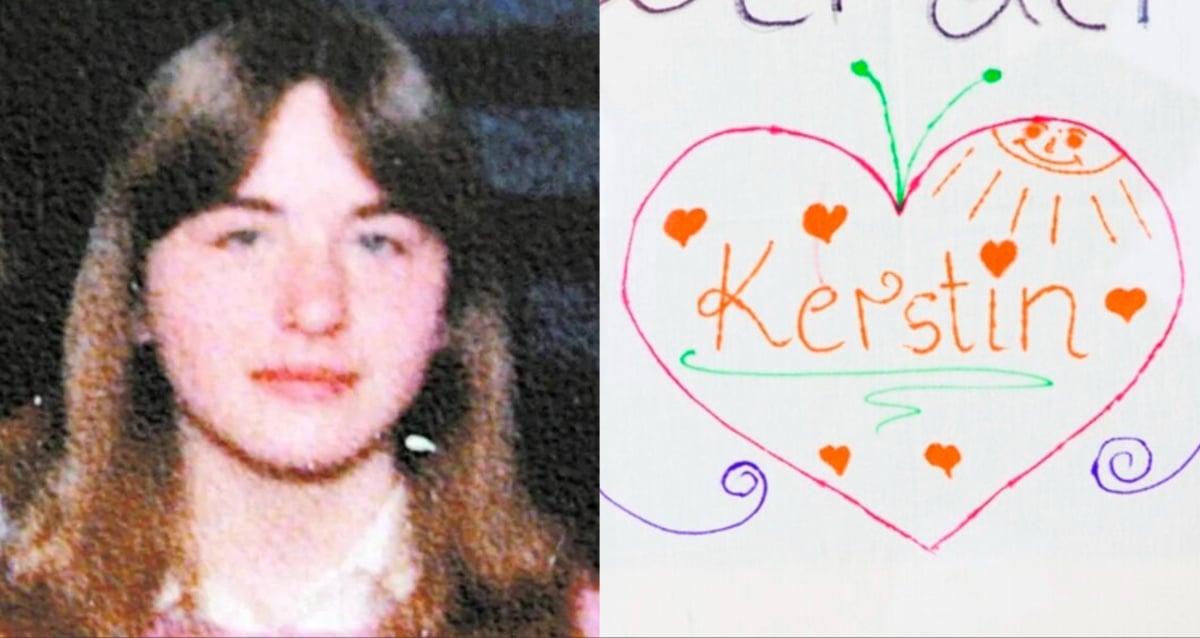
The story of Kerstin Fritzl is a deeply disturbing one that highlights the horrors of abuse and captivity. Born in 1988 to Elisabeth Fritzl, Kerstin spent her entire childhood confined to an underground prison built by her own father, Josef Fritzl. This hidden world became her reality, a stark contrast to the life unfolding just above ground in their seemingly normal family home.
Elisabeth had been imprisoned by Josef since 1984. He subjected her to years of relentless abuse, including rape and forced pregnancies, resulting in six children. While Josef raised some of the children as his own, claiming they were abandoned by Elisabeth, he kept Kerstin, Stefan, and Felix trapped with their mother in the darkness below. Their existence was marked by deprivation, fear, and unimaginable isolation.
Kerstin Fritzl grandparents played no role in this horrific ordeal. They remained oblivious to the truth, living a life unaware of the suffering unfolding beneath their feet. The weight of Josef’s monstrous actions fell solely upon Elisabeth and her children, leaving them trapped in a nightmare from which they thought there was no escape.
A Life Underground: The Fritzl Family’s Secret Prison
The basement where Kerstin and her siblings were kept was a horrifyingly stark reality. Josef Fritzl designed it to be a prison, complete with basic necessities like beds, a toilet, and a small kitchen. There was no sunlight, air circulation was poor, and the environment was perpetually cold and damp. Imagine living your entire childhood in such darkness, knowing nothing but this confined space.
Life underground was governed by Josef’s whims. He controlled their food, their limited access to books and toys, and even dictated when they could bathe or sleep. They were subjected to constant surveillance through a small window, their every move monitored by the man who had imprisoned them. Their world was one of silence broken only by the sounds of their own voices and the occasional muffled noises from the outside world.
The psychological toll on Kerstin and her siblings was immense. Their innocence was stolen, replaced by fear and a sense of helplessness they couldn’t fully comprehend. Their connection to the outside world, to the sun and fresh air, was severed completely. The only reality they knew was this secret prison built by their own father.
Kerstin Fritzl: Born into Darkness
Kerstin Fritzl’s life began in a place most people couldn’t even imagine: the confines of an underground prison. Born in 1988 to Elisabeth Fritzl, who was already captive in the cellar, Kerstin grew up completely unaware of the world beyond those walls. Her early years were marked by darkness, isolation, and the constant presence of her mother, who desperately tried to shield her from the full weight of their situation.
Despite these harrowing circumstances, Kerstin exhibited a resilience that is truly remarkable. She learned to adapt to the limited space, finding solace in playing with her siblings and sharing stories with her mother. Her childhood memories are undoubtedly tinged with sadness and fear, yet within them likely lie moments of laughter, love, and a sense of normalcy that she desperately clung to.
Kerstin Fritzl, born into darkness, became a symbol of hope and the enduring human spirit’s ability to find strength even in the most unimaginable adversity. Her story is a testament to our capacity for survival and the unwavering power of the human bond.
 Kenneka Jenkins Killer: Freezer Death Mystery & Conspiracy Theories
The Breaking Point: Kerstin’s Illness and Escape
Kerstin’s health deteriorated significantly over the years spent trapped underground. The constant lack of sunlight, fresh air, and proper nutrition took a toll on her body. In 2008, she became seriously ill, suffering from seizures and other life-threatening symptoms. This crisis forced Josef Fritzl to make a desperate decision: he brought Kerstin upstairs to the hospital under false pretenses, claiming she was his daughter who needed urgent care.
This unexpected trip into the outside world proved to be a turning point for both Kerstin and her family. While at the hospital, Elisabeth saw an opportunity to break free from her captivity. She confided in medical staff about the horrifying truth of their situation, revealing Josef’s years of abuse and imprisonment. The revelation shocked the world, exposing the unimaginable depths of depravity that had been hidden within a seemingly normal family home.
The news of Elisabeth’s disclosure spread quickly, leading to Josef Fritzl’s arrest and eventual conviction for his horrific crimes. Kerstin was finally rescued from the breaking point of her illness and the prison she had called home for nineteen years. Her story became a symbol of resilience and the power of human connection, even in the face of unimaginable adversity.
Justice Served: Josef Fritzl’s Arrest and Trial
The world watched in stunned disbelief as the full extent of Josef Fritzl’s crimes came to light. His arrest sent shockwaves across Austria and beyond, prompting a wave of condemnation and calls for justice. He was charged with a multitude of offenses, including incest, rape, coercion, false imprisonment, and enslavement.
The trial that followed captivated the world’s attention as details of the unimaginable abuse emerged. Evidence presented in court included photographs of the cellar prison, Elisabeth’s harrowing testimony, and recordings made by Josef himself. The public was horrified by the extent of his depravity and the sheer audacity with which he had lived a double life for so many years.
Ultimately, Josef Fritzl was found guilty on all counts and sentenced to life in prison. His sentence reflected the gravity of his crimes and served as a stark reminder that even within the most seemingly ordinary families, darkness can lurk beneath the surface.
Finding Freedom: A New Beginning for the Family
After years of captivity, the Fritzl family finally tasted freedom. While they carried the deep scars of their ordeal, there was a glimmer of hope for a new beginning. They were relocated to a safe and secure location known as Village X, designed to provide a haven from the outside world and allow them to heal in peace.
The transition was undoubtedly challenging. Kerstin and her siblings had to adjust to life in a completely different environment, navigating the complexities of a world they had never truly known. They faced intense media scrutiny and struggled to come to terms with the trauma they endured. However, with time and support from therapists and counselors, they began to rebuild their lives.
Elisabeth found love again, even marrying her bodyguard who provided unwavering support during their darkest hours. The family learned to cherish the simple joys of life, finding solace in each other’s company and forging a new path forward. Despite the horrors they had faced, there was a determination to heal, grow, and ultimately find happiness.