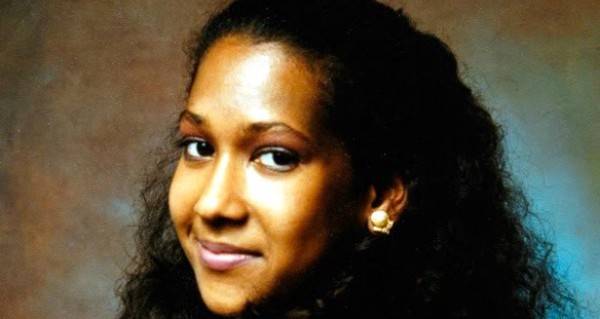
The story of Joyce Carol Vincent is a poignant reminder of the isolating nature of modern life, even in bustling urban environments. Vincent, a 38-year-old woman living alone in London, died in December of 2003, her passing going unnoticed for over two years. It wasn’t until January 5th, 2006, when officials arrived to repossess her apartment due to unpaid rent, that her body was discovered. This stark revelation sparked a wave of public curiosity and prompted an investigation into the circumstances surrounding Joyce Vincent death.
Vincent’s life, as pieced together by filmmaker Carol Morley in her documentary “Dreams of a Life,” paints a picture of a woman navigating a complex web of relationships and personal struggles. Interviews with former colleagues and boyfriends revealed a woman who had worked for Ernst & Young but abruptly left her position in 2001 without explanation. She also sought refuge in a domestic violence shelter prior to her death, hinting at a life marked by hardship and perhaps underlying trauma.
While the exact cause of Vincent’s death remains undetermined, police suspect it may have been an asthma attack. Regardless of the precise circumstances, her story serves as a chilling example of how individuals can slip through the cracks of our supposedly interconnected society.
A Solitary Life Unnoticed
Vincent’s solitary existence was a crucial factor in the delayed discovery of her death. She lived alone in a London apartment, and despite being surrounded by neighbors, she maintained a profound sense of isolation. Her limited social interactions meant that there were few people who would notice her absence or raise concerns when rent payments stopped arriving. This stark reality highlights how easy it can be for individuals to disappear into the anonymity of urban life, even in close proximity to others.
The lack of outward signs of distress further compounded the issue. Vincent did not have a family living nearby, and her few friends were likely unaware of her struggles. She had seemingly kept her personal challenges private, making it difficult for anyone to intervene or offer support. This tragically underscores how important it is to cultivate meaningful connections and maintain open communication, as even seemingly small gestures can make a world of difference in someone’s life.
Despite living in a densely populated city, Vincent’s Joyce Vincent death remained undetected for an agonizingly long time, a chilling testament to the profound loneliness that can pervade modern society.
The Discovery Of Joyce Vincent’s Remains
The discovery of Joyce Vincent’s remains was a stark and unsettling event that shocked the nation. It occurred in January 2006 when officials arrived at her London apartment to repossess it due to unpaid rent. They entered the apartment and were met with a horrifying scene: Vincent’s body had been decomposing on her sofa for over two years, unnoticed by anyone. The reality of her long-forgotten existence struck a chord with the public, raising profound questions about social isolation and the failures of our systems to recognize those in need.
The stark contrast between Vincent’s quiet demise and the bustling city outside her apartment door served as a poignant reminder of the unseen struggles that can exist within seemingly vibrant communities. The news sparked widespread media coverage, with reporters delving into Vincent’s life and attempting to understand how such a tragedy could occur. The case became a focal point for discussions about social responsibility, the importance of community support, and the need for greater awareness of those living on the fringes of society.
The discovery of Vincent’s remains served as a wake-up call, forcing a national conversation about the societal factors that can contribute to isolation and neglect.
 Juana Maria Cause of Death: Unveiling the Islanders Fate
Investigating Dreams of a Life
In the wake of this tragic discovery, filmmaker Carol Morley set out to piece together the puzzle of Joyce Vincent’s life through her documentary “Dreams of a Life.” Morley meticulously interviewed former friends, colleagues, and even Vincent’s estranged family members, seeking to understand the woman behind the headlines. Their accounts painted a complex picture of a person who had experienced both joy and hardship, love and loss, and ultimately, profound loneliness.
Through these intimate interviews, Morley sought not only to shed light on Vincent’s past but also to explore the broader societal issues that may have contributed to her tragic fate. She delved into Vincent’s employment history at Ernst & Young, where she had seemingly excelled before abruptly leaving in 2001 without explanation. She also uncovered details about Vincent’s time spent in a domestic violence shelter, hinting at a past marked by personal turmoil and perhaps seeking refuge from difficult circumstances.
Through “Dreams of a Life,” Morley aimed to create a nuanced portrait of Joyce Vincent death, not simply as a case of isolated tragedy but as a reflection of the complexities of human experience and the societal forces that can shape our lives.
The Shadow of Isolation
The story of Joyce Vincent casts a long shadow over the issue of social isolation in contemporary society. While she lived in a bustling city teeming with people, her life ultimately became defined by solitude. Vincent’s case serves as a stark reminder that physical proximity doesn’t necessarily equate to genuine connection. In an era dominated by digital communication and fragmented social structures, it is easier than ever for individuals to feel disconnected from others, even amidst constant stimulation and noise.
The circumstances surrounding Joyce Vincent death highlight the vulnerability of those who live on the fringes of society, often without strong support systems or readily available resources. Her story compels us to re-examine our own social interactions and consider how we can foster greater empathy and connection within our communities. It serves as a powerful call to action, urging us to reach out to those who may be struggling, to break down barriers of isolation, and to create a more inclusive and supportive society for all.
Vincent’s tragic fate underscores the importance of recognizing the signs of social withdrawal and offering a helping hand to those in need. It reminds us that true connection is essential for human well-being, and that even in the midst of a crowded world, loneliness can be a pervasive and devastating experience.
Connection in a Digital Age
The story of Joyce Vincent raises profound questions about connection in our increasingly digital age. While technology offers unprecedented opportunities for communication and social interaction, it can also create a sense of detachment and superficiality. We may find ourselves surrounded by online connections yet still feel deeply isolated in our offline lives. The paradox is that while we have more ways to connect than ever before, the quality of these interactions often falls short, lacking the depth and authenticity that truly nourish our well-being.
Vincent’s life exemplifies this challenge. Although she lived in a world saturated with communication channels, her own experiences suggest that genuine human connection can be elusive. Her story serves as a cautionary tale, reminding us that technology alone cannot bridge the gap between individuals. We must actively cultivate meaningful relationships, prioritize face-to-face interactions, and make a conscious effort to build communities based on empathy and support.
In an era where digital connections often dominate our social landscapes, it is crucial to remember that true Joyce Vincent death occurs not only through physical absence but also through emotional disconnection. We must strive to create a world where technology enhances human connection rather than replacing it, fostering genuine relationships that provide solace, support, and a sense of belonging.