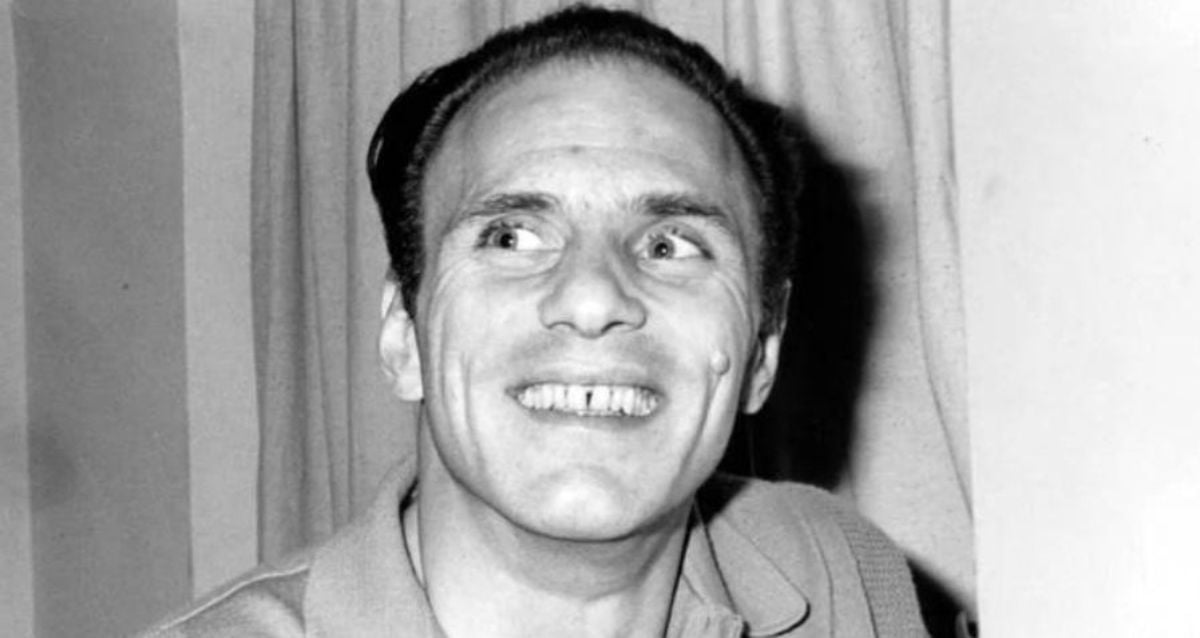
Joe Gallo, a name whispered in hushed tones throughout the underworld, was more than just a gangster. He was a force of nature, a whirlwind of violence and unpredictable behavior that left an indelible mark on organized crime history. Nicknamed “Crazy Joe,” he carved his path through the ranks with ruthless efficiency, leaving behind a trail of shattered lives and unsolved mysteries. His story is one of ambition, betrayal, and a tragic end that continues to fascinate even today.
Gallo’s life was a tapestry woven from the threads of crime, power struggles, and a constant battle for survival within the brutal world of organized crime. He rose from petty theft to become a prominent figure in New York City’s underworld, embroiled in a series of violent conflicts that shook the foundations of the city’s criminal hierarchy. But his path was paved with bloodshed, and his actions ultimately led him down a dark and dangerous road.
The question on everyone’s lips, though, remains: how did Crazy Joe Gallo die? The answer lies within the labyrinthine corridors of organized crime, where loyalty is fleeting, and betrayal can be deadly. Gallo’s story is a cautionary tale about the allure of power and the devastating consequences that come with it. It’s a reminder that even in the darkest corners of society, there are stories worth telling, lessons to be learned, and truths waiting to be uncovered.
The Early Years: From Jukeboxes to Murder
Joe Gallo’s criminal career began humbly enough, with small-time hustles and schemes that tested the limits of legality. He was known to steal jukeboxes, a seemingly innocuous act that quickly escalated into more serious ventures like extortion. This early period saw him hone his skills as a manipulator, learning how to use fear and intimidation to get what he wanted. These formative years laid the groundwork for the ruthless gangster he would become.
It wasn’t long before Gallo crossed paths with the notorious Profaci crime family, one of New York City’s most powerful Mafia clans. He quickly rose through their ranks, proving himself to be a loyal and capable enforcer. His reputation for violence preceded him, and his ruthlessness became legendary within the underworld. Gallo was involved in some of the family’s most shocking acts, including the cold-blooded murder of boss Albert Anastasia, solidifying his place as a serious player in the city’s criminal underworld.
This period saw Gallo transform from a petty thief to a key figure in organized crime, paving the way for the violent power struggles and bloody turf wars that would define his later years. He was no longer just stealing jukeboxes; he was playing a dangerous game with stakes far higher than anyone could have imagined.
Rise and Fall within the Profaci Family
Gallo’s ambition knew no bounds. He quickly rose through the ranks of the Profaci family, proving himself to be a ruthless and cunning operator. But his relentless drive for power ultimately led to a bitter conflict within the family. Gallo saw an opportunity to seize control of the Profaci rackets, believing he could run things more efficiently and profitably. This ambition sparked a violent war that consumed the underworld and left countless innocent lives shattered in its wake.
The ensuing turf war was brutal and bloody, marked by kidnappings, murders, and betrayals that shook the city’s criminal core to its foundations. Both sides unleashed their full arsenal of violence, leaving a trail of chaos and destruction in their wake. The Profaci family, weakened by internal strife, found itself on shaky ground as Gallo’s men clashed with loyalists, vying for control of lucrative rackets and territories.
In the end, how did Joe Gallo die? He was gunned down in a hail of bullets while dining at a restaurant in Little Italy by an associate of Joseph Colombo, the head of the rival Colombo family. This assassination silenced one of organized crime’s most notorious figures and brought a swift and tragic end to his reign of terror. Despite his violent demise, Gallo’s legacy continues to resonate within the annals of criminal history.
 What Happens When You Get Your Fingerprints Scanned
Imprisonment, Transformation, and New Allegiances
Facing a lengthy prison sentence for conspiracy and extortion charges, Joe Gallo found himself in a world drastically different from the one he was accustomed to. Confined within the cold steel bars of a correctional facility, he sought solace and purpose amidst the chaos of prison life. To his surprise, he discovered an unexpected outlet: art.
Gallo immersed himself in drawing and painting, transforming his raw emotions and experiences into striking canvases that reflected the complexities of his inner world. He also delved into philosophy, seeking intellectual stimulation and a deeper understanding of his place within the grand tapestry of human existence. Interestingly, during this time, he formed strong bonds with Black inmates, forging connections that would prove invaluable upon his release. These unlikely friendships offered him a different perspective on life, challenging his preconceived notions and enriching his soul.
His time behind bars was not just a period of confinement but also a time of introspection and transformation. Gallo emerged from prison a changed man, albeit one who still carried the scars of his past. He had found new meaning in art and philosophy, and he now possessed a unique understanding of the world gained through his interactions with fellow inmates. This newfound perspective would shape his actions upon his release, setting him on a path that would ultimately lead to another violent conflict within the underworld.
The War with the Colombo Family
Upon his release from prison, Joe Gallo sought to reestablish himself within the criminal underworld. However, the landscape had shifted considerably in his absence. The Colombo family, under the leadership of Joseph Colombo, had risen to prominence, challenging the existing power structures and claiming control over lucrative rackets. This clash between two formidable forces ignited a bloody war that would grip the city with fear.
Gallo, fueled by ambition and a thirst for revenge, saw an opportunity to reclaim his lost position and carve out a new empire. He orchestrated attacks on Colombo associates, sending a clear message of defiance and setting the stage for all-out war. The streets became battlegrounds as shootings, bombings, and violent confrontations erupted with terrifying regularity. Both sides unleashed their full arsenal, employing ruthless tactics and leaving a trail of devastation in their wake. The city held its breath, caught in the crossfire of this brutal conflict.
This was no mere turf war; it was a clash of titans, two ruthless gangsters vying for ultimate control. The fate of the underworld hung in the balance as bullets flew and loyalties were tested. Ultimately, how did Joe Gallo die? The answer lay within the heart of this chaotic war, a tragic end that solidified his legacy as a dangerous figure who lived fast and died young.
A Chaotic Legacy in Organized Crime
Joe Gallo’s life and death serve as a stark reminder of the allure and danger inherent in organized crime. He was a complex figure, a mix of charisma, violence, and calculated ambition. He managed to cultivate a folk hero image in certain circles, admired for his defiance of authority and willingness to fight for what he believed in. Yet, beneath this veneer of rebellion lay a ruthless killer who left a trail of destruction in his wake.
The legacy of Joe Gallo is a tangled web of violence and tragedy. His actions triggered a series of bloody conflicts that reshaped the criminal landscape of New York City. He became a symbol of both chaos and defiance, a figure who embodied the dark underbelly of American society. His story continues to fascinate and horrify in equal measure, serving as a cautionary tale about the seductive power of crime and the devastating consequences it can unleash.
Despite his violent demise, Gallo’s name lives on, whispered in hushed tones within the annals of organized crime history. He remains an enigma, a complex character whose story continues to be debated and dissected by historians and those fascinated by the world of gangsters. His life and death offer a glimpse into a dark and dangerous world, one where loyalty is fleeting, power is absolute, and violence reigns supreme.