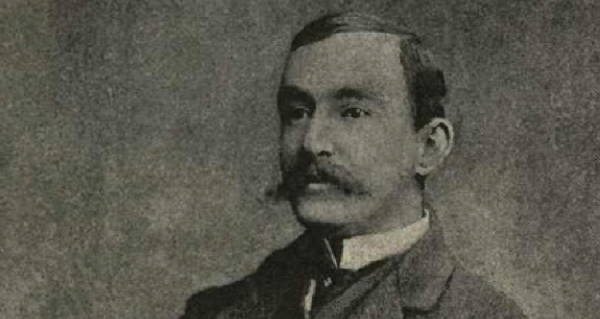
The year is 1888. Africa, a continent shrouded in mystery and adventure for the European world, beckons explorers with promises of untouched wilderness and untold riches. But beneath the veneer of discovery lay a darker side, a reality often ignored or hushed up. It was during this era that James S. Jameson, heir to the vast Jameson Irish Whiskey fortune, crossed a line few could fathom, leaving behind a stain on history that would forever tarnish the allure of colonial expeditions.
Jameson’s thirst for adventure led him to join the Emin Pasha Relief Expedition, a perilous journey into the heart of central Africa. While many sought scientific knowledge or to alleviate suffering, Jameson’s motivations were far more sinister. He became entangled with Tippu Tip, a notorious slave trader, and in a chilling act of depravity, paid for a young girl to be sacrificed and consumed by cannibals in Ribakiba. This wasn’t merely a case of ignorance or cultural misunderstanding; evidence suggests Jameson willingly participated, even sketching the horrifying scene in his diary.
The story of Jameson cannibalism became a scandal that shook the public conscience. Imagine the outcry – a wealthy heir, seemingly driven by morbid curiosity, taking part in such a barbaric act. It served as a stark reminder that behind the romantic notions of exploration often lay a brutal reality, exposing the dark underbelly of colonialism and its devastating impact on innocent lives.
The Emin Pasha Relief Expedition
The Emin Pasha Relief Expedition was a dangerous and ambitious undertaking. Set in the 1880s, it aimed to rescue renowned German explorer Charles George Gordon from his post as governor of Equatoria, now part of South Sudan. Gordon found himself trapped amidst conflict and rebellion, facing overwhelming odds against Sudanese forces loyal to Mahdi. The expedition was a joint effort between Britain and several European nations, driven by the desire to save Gordon and retrieve valuable scientific data about the region.
However, the journey itself proved incredibly challenging. Explorers faced treacherous terrain, scorching heat, disease, and clashes with local tribes. Supplies were scarce, communication was difficult, and the sheer vastness of the African landscape posed constant threats. Despite these hardships, the expedition managed to reach Equatoria, but tragically found Gordon had already been killed in battle. While their primary objective failed, they did manage to collect valuable botanical and anthropological data, documenting previously unknown species and cultural practices.
The Emin Pasha Relief Expedition, though ultimately unsuccessful in its main goal, became a significant historical event. It highlighted the dangers and complexities of exploration in Africa, revealing both the allure and the brutality of this vast and enigmatic continent. It was against this backdrop of danger and uncertainty that James S. Jameson found himself entangled in his own dark chapter, forever linked to the expedition’s legacy.
Jameson’s Atrocity in Ribakiba
Ribakiba, a remote trading post nestled deep within the African wilderness, held a dark reputation even amongst seasoned explorers. Known for its practice of cannibalism, it was a place where fear and superstition intertwined. It was here that James S. Jameson’s chilling act unfolded. Driven by an insatiable curiosity, or perhaps a darker impulse, he chose to participate in this horrific ritual himself.
According to accounts from Assad Farran, a Sudanese translator accompanying the expedition, Jameson procured a young girl, no older than ten years old, from Tippu Tip, a notorious slave trader. He paid six handkerchiefs – a considerable sum at the time – for the child’s life. Farran described how the girl was brought to Ribakiba and subjected to a gruesome fate. She was stabbed, dismembered, and consumed by the villagers, with Jameson watching as the horrifying scene played out before him.
Jameson’s own diary entries, now considered damning evidence of his involvement, contained detailed sketches of the ritual. He even attempted to justify his actions later, claiming he believed it was all a joke, but the chilling detail in his writings and the payment for the girl suggest otherwise. This wasn’t a case of innocent ignorance; it was a deliberate act fueled by morbid curiosity and a complete disregard for human life, forever etching Jameson cannibalism into the annals of history as a horrifying reminder of the dark side of human nature.
 What Happens When You Get Your Fingerprints Scanned
Evidence of Cannibalism and Cover-Up
The evidence surrounding Jameson’s involvement in the cannibalistic ritual was both chilling and damning. While many expedition members were initially reluctant to speak out, fearing reprisal or simply struggling to comprehend the gravity of what they had witnessed, the accounts provided by Assad Farran, the Sudanese translator, proved crucial. His testimony described Jameson’s active participation in the gruesome act, his payment for the girl, and his detailed sketches of the horrifying scene captured in his diary.
These firsthand accounts, coupled with the disturbing nature of Jameson’s diary entries, painted a clear picture of his involvement. The sketches themselves were considered particularly compelling evidence, as they depicted the ritual with chilling accuracy, leaving little room for doubt about Jameson’s intent and participation. However, even with such damning evidence, attempts were made to downplay the incident and protect Jameson’s reputation.
He claimed it was all a joke, a fabrication meant to shock or amuse his fellow explorers. Some believed him, citing his wealth and status as justification for disbelief. But the weight of Farran’s testimony and the undeniable detail in Jameson’s sketches ultimately proved too much to ignore. The scandal surrounding Jameson cannibalism quickly spread, exposing the dark underbelly of colonial exploration and raising serious questions about morality and accountability within high society.
Public Outcry and Lasting Impact
News of Jameson’s involvement in the cannibalistic ritual sent shockwaves through Victorian society. The public was outraged by his actions, stunned that a wealthy heir could be capable of such barbarity. Newspapers ran sensationalized accounts of the story, fueling public anger and demanding justice for the young girl who had been sacrificed. The scandal became a national talking point, raising uncomfortable questions about colonialism, morality, and the hypocrisy of high society.
The outcry against Jameson was swift and unrelenting. He faced condemnation from religious leaders, scientists, and everyday citizens alike. His name became synonymous with greed, depravity, and the dark side of colonial expansion. While he never faced trial for his actions, as he died shortly after from a fever, the public’s reaction served as a powerful reminder that even those in positions of privilege were not above scrutiny or accountability.
The Jameson cannibalism incident ultimately had a lasting impact on attitudes towards African exploration. It sparked a debate about the ethical implications of colonialism and the dangers of unbridled curiosity. Public opinion shifted, leading to increased scrutiny and restrictions on non-scientific civilian expeditions into Africa. While exploration continued, it was no longer driven solely by the pursuit of adventure or personal gain but tempered with a greater awareness of cultural sensitivities and the need for respect for indigenous populations.
Africa’s Dark Past Exposed
The Jameson scandal wasn’t just a story about one man’s horrifying actions; it served as a stark reminder of Africa’s complex and often brutal history. For centuries, the continent had been portrayed through a lens of exoticism and adventure, but beneath this romanticized facade lay a darker reality. Colonial powers exploited resources, subjugated populations, and engaged in practices that caused immense suffering.
Jameson’s actions exposed this dark underbelly, revealing the true cost of colonialism and the dehumanization it often brought about. It highlighted the dangers of unchecked power and the moral compromises some individuals made in pursuit of personal gain or thrills. The incident forced Europeans to confront their own complicity in Africa’s suffering, challenging long-held assumptions about civilization and progress.
While Jameson’s story remains a chilling reminder of the past, it also serves as a call for greater awareness and understanding. We must acknowledge the atrocities committed against African people throughout history and work towards dismantling the systems of oppression that continue to perpetuate inequality. Only by confronting our collective history can we strive towards a future where such horrors are never repeated.