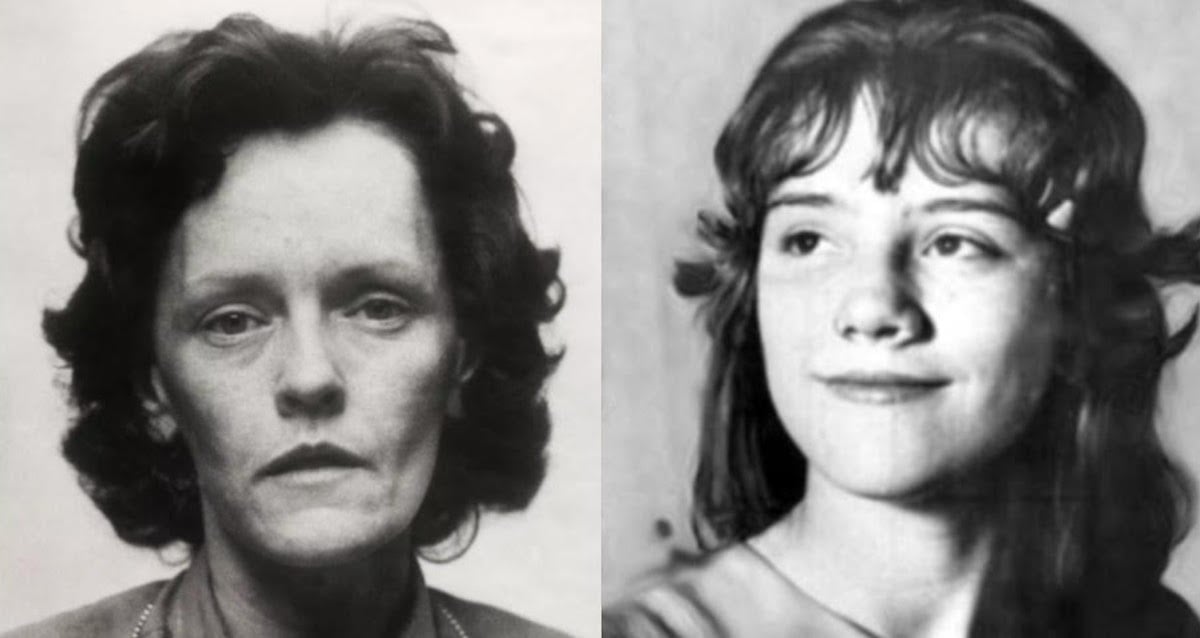
The case of Gertrude Baniszewski is a chilling example of how ordinary circumstances can spiral into horrific acts of violence. Baniszewski, a financially struggling single mother in Indianapolis, opened her home to two teenage girls, Sylvia and Jenny Likens, offering them boarding services for a fee. What began as a seemingly straightforward arrangement quickly transformed into a nightmare of unimaginable cruelty.
As the payments from the girls’ parents became irregular, Baniszewski’s resentment grew, fueling a campaign of abuse that would ultimately lead to tragedy. She subjected Sylvia to months of physical torture, including beatings, cigarette burns, and mutilation. This was not a solitary act of violence; she actively encouraged her own children and neighborhood kids to participate in the abuse, often for mere sums of money.
The case captured national attention, sparking outrage and disbelief at the level of cruelty inflicted upon Sylvia Likens. Is Gertrude Baniszewski still alive? No, she died in 1990 at age 67 from lung cancer, having served 20 years of her sentence for first-degree murder. While the case remains a harrowing reminder of the darkness that can reside within human nature, it also highlights the importance of recognizing and addressing signs of abuse before they escalate into unimaginable horrors.
The Likens Family Tragedy
The Likens family tragedy is a heartbreaking tale of innocence lost and the devastating consequences of neglect. Sylvia and Jenny Likens were placed in Gertrude Baniszewski’s care as a last resort by their parents who struggled to provide for them. They desperately hoped that boarding with another family would offer stability and a better life for their daughters. Unfortunately, what awaited them was not compassion but unimaginable cruelty.
The young girls quickly became victims of Baniszewski’s twisted desires for power and control. Sylvia, in particular, bore the brunt of her abuse, enduring months of physical torture that left her deeply scarred both physically and emotionally. Jenny, while also subjected to mistreatment, managed to witness some of the horrors inflicted upon her sister and eventually confided in authorities, revealing the full extent of the depravity taking place within Baniszewski’s home. This revelation brought an end to the nightmare but could never truly erase the pain and suffering endured by the Likens sisters.
The tragedy highlights the vulnerability of children who are placed in care outside their immediate families. It underscores the urgent need for comprehensive safeguards and support systems to protect them from abuse and exploitation, ensuring that every child has the opportunity to grow up in a safe and nurturing environment.
Gertrude Baniszewski’s Abuse
Gertrude Baniszewski’s abuse of Sylvia Likens went far beyond typical disciplinary measures; it was a calculated campaign of cruelty that spanned months and involved both physical and psychological torment. Baniszewski’s actions were driven by a disturbing mix of resentment towards the girls’ parents for irregular payments, a desire for control over her victims, and a seemingly insatiable appetite for inflicting pain.
Sylvia endured beatings with paddles and belts, leaving welts and bruises across her body. She was burned with cigarettes, forced to ingest hot dogs until she vomited, and subjected to horrific mutilation of her genitals. Baniszewski’s cruelty extended beyond physical assault; she psychologically tormented Sylvia by degrading her, belittling her, and isolating her from the outside world. The abuse escalated gradually, starting with seemingly minor punishments that eventually transformed into acts of unimaginable brutality.
This systematic campaign of terror was not a solitary act by Baniszewski; she actively encouraged her own children and neighborhood kids to participate in the abuse, often offering small sums of money as an incentive. This chilling aspect of the case highlights how readily individuals can become complicit in such horrific acts when presented with opportunities for personal gain or social acceptance.
 Glasgow Smile Scars: Real History and Modern Violence
A Community Complicit in Cruelty
The tragedy surrounding Sylvia Likens wasn’t confined to Gertrude Baniszewski alone; it exposed a disturbing level of apathy and complicity within the broader community. While many individuals were shocked and horrified by the revelations of abuse, others seemed remarkably indifferent or even dismissive of the suffering taking place next door.
Neighbors reported hearing Sylvia cry out in pain but chose to ignore these pleas for help, rationalizing their inaction as a matter of not wanting to get involved in other people’s affairs. Some even actively participated in the abuse, lured by small sums of money offered by Baniszewski or driven by a perverse sense of curiosity. This collective failure to intervene speaks volumes about the societal norms and values that allowed such atrocities to flourish unchecked.
The case serves as a stark reminder that silence can be just as damaging as active participation in wrongdoing. It underscores the importance of fostering a culture of empathy, responsibility, and vigilance within our communities, where individuals feel empowered to speak out against injustice and intervene when they witness suffering.
Justice and Aftermath
The arrest and subsequent trial of Gertrude Baniszewski and several accomplices brought a sense of justice to a horrific ordeal that had gripped the nation. While no verdict could truly heal the wounds inflicted on Sylvia Likens or her family, it served as a crucial step in holding those responsible accountable for their actions.
Paula Baniszewski, Gertrude’s daughter, initially pleaded guilty to second-degree murder but later changed her plea to voluntary manslaughter. She received a lighter sentence than her mother, who was convicted of first-degree murder twice and ultimately served 20 years before being paroled in 1985. Gertrude Baniszewski died of lung cancer in 1990 at age 67, leaving behind a legacy that continues to serve as a chilling reminder of the depths of human depravity.
For Jenny Likens, Sylvia’s sister, the experience left lasting trauma and emotional scars. She dedicated her life to speaking out about child abuse and advocating for greater awareness and prevention efforts. The case remains a focal point in discussions surrounding criminal justice, child protection systems, and the complex societal factors that can contribute to such tragedies.
A Legacy of Darkness
The story of Gertrude Baniszewski and Sylvia Likens continues to cast a long shadow over the collective memory, serving as a chilling reminder of the darkness that can reside within human hearts. While justice was ultimately served in a legal sense, the profound trauma inflicted on Jenny Likens and the enduring impact on her family highlight the lasting consequences of such horrific abuse.
The case sparked national outrage and fueled public discourse surrounding child protection, societal responsibility, and the complex interplay between individual depravity and systemic failures. It prompted reforms in child welfare systems and raised awareness about the warning signs of abuse, encouraging greater vigilance and intervention efforts. Yet, despite these advancements, Is Gertrude Baniszewski still alive? No, she died in 1990. But her legacy serves as a constant reminder that vigilance against cruelty and injustice must remain unwavering, for darkness can always reemerge if left unchecked.
The story of Sylvia Likens stands as a testament to the fragility of innocence and the urgent need to create a world where every child feels safe, protected, and empowered to thrive. It compels us to confront the shadows within ourselves and society, striving to cultivate empathy, compassion, and a collective commitment to safeguarding vulnerable individuals from harm.