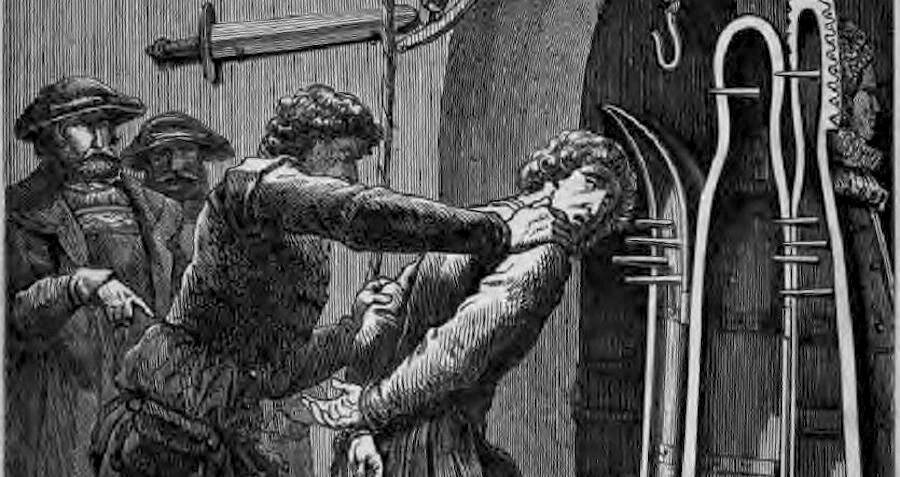
The image of medieval torture is often filled with gruesome and elaborate devices, particularly the infamous Iron Maiden. This iconic contraption, with its spiked interior and seemingly inescapable design, has captured imaginations for centuries. However, when we delve into historical reality, we find a surprising twist. Contrary to popular belief, the iron maiden trap was not a tool used during the Middle Ages at all.
The first written records of the Iron Maiden actually date back to the late 1700s, well after the medieval period had concluded. This means that the device we picture when we hear “medieval torture” is a relatively recent invention, likely emerging as a product of romanticized or demonized portrayals of history by writers in the 18th and 19th centuries. These authors often sought to contrast their own time with the perceived barbarity of the Middle Ages, leading to exaggerated accounts and fictional creations like the iron maiden historical.
While the Iron Maiden itself is a fabrication, it highlights a persistent fascination with sensationalizing medieval history. This enduring image in popular culture speaks to our enduring curiosity about the past and its darker aspects. Despite the myth surrounding it, the true story of medieval torture reveals simpler methods often involving binding and restraints rather than elaborate devices like the actual iron maiden device.
Debunking The Medieval Myth
The romanticized and often exaggerated portrayal of medieval torture has led to misconceptions about the practices of the time. Many “classic” devices, like the Brazen Bull or the Pear of Anguish, are not actually from the Middle Ages but emerged much later. This myth-making was likely fueled by 18th and 19th-century writers who used these exaggerated tales to contrast their own era with the perceived barbarity of the past.
In reality, medieval torture methods were often less elaborate than popular imagination suggests. While punishment certainly existed, it typically involved simpler techniques like beatings, imprisonment, or public humiliation rather than complex contraptions. The use of medieval torture devices was primarily reserved for obtaining confessions or deterring crime, not necessarily inflicting prolonged suffering.
The allure of gruesome stories persists, and the fascination with medieval torture has fueled countless books, films, and even tourist attractions. However, it’s crucial to remember that history often gets distorted by myth and legend. When we delve deeper into the actual practices of the past, we find a more nuanced and complex picture than the sensationalized images often portray.
The Real History of Torture Devices
While the Iron Maiden is a captivating myth, it’s important to remember that medieval torture was a real practice with a complex history. Torture methods varied across regions and time periods, reflecting the legal and social norms of the era. In some cases, devices were used for extracting confessions or punishing individuals accused of serious crimes.
One common tool was the rack, which involved stretching a person’s limbs to excruciating lengths. Another device, known as the Pear of Anguish, was a metal instrument shaped like a pear that was inserted into the rectum, causing intense pain. These devices were often employed within a broader context of legal proceedings, with torture used to coerce confessions or gather information.
However, it’s crucial to understand that medieval society wasn’t solely defined by violence and brutality. While torture existed, it wasn’t as pervasive or commonplace as popular culture sometimes suggests. Historians continue to debate the frequency and purpose of medieval torture devices, recognizing the need for nuance and a balanced understanding of this complex aspect of history.
The Iron Maiden: A Fabricated Terror
The enduring image of the Iron Maiden, with its menacing spikes and seemingly inescapable design, has captivated the public imagination for centuries. This iconic torture device, often depicted in art and popular culture, is firmly embedded in our collective understanding of medieval history. However, the truth about the Iron Maiden is far less gruesome than its reputation suggests.
Despite its notoriety as a medieval torture tool, there’s no historical evidence to support its use during that period. The earliest written accounts of the Iron Maiden date back to the late 1700s, long after the Middle Ages had ended. It appears that this chilling invention was born much later, likely emerging as a product of sensationalized portrayals of history or perhaps even deliberate fabrication.
There are several theories about the origins of the Iron Maiden myth. Some historians believe it emerged from exaggerated accounts by writers who sought to contrast their own time with the perceived barbarity of the past. Others suggest that it may have been a more recent invention, created as a tourist attraction or to capitalize on public fascination with medieval horror. Regardless of its true origins, the Iron Maiden serves as a potent reminder of how easily myths can take root and persist even in the face of historical evidence.
Exaggerations and Romanticism
The popular image of the Middle Ages as a period of constant brutality and torture is largely a product of romantic exaggeration and historical revisionism. While punishment certainly existed during this era, it was often less elaborate and widespread than depicted in popular culture. Much of this exaggerated perception stems from 18th and 19th-century writers who sought to contrast their own time with the perceived barbarity of the past.
These authors often romanticized or demonized the Middle Ages for dramatic effect, creating sensationalized accounts that fueled public fascination with gruesome torture devices like the Iron Maiden, despite its non-existence during that period. This trend toward exaggerations and romanticism contributed to the enduring myth of medieval brutality, shaping our understanding of history for generations.
The desire to create a captivating narrative often overshadows historical accuracy, leading to the perpetuation of myths about the past. It’s important to approach these narratives with a critical eye and seek out reliable sources that provide a more nuanced and balanced perspective on history.
The Enduring Power of Medieval Sensationalism
The enduring fascination with medieval history, particularly its darker aspects, speaks to a deep-seated human curiosity about the past. Our desire to explore both the noble and the gruesome elements of bygone eras continues to drive popular culture and historical research alike. The mythologized image of medieval torture, perpetuated by sensationalized accounts and captivating depictions in art and literature, has become ingrained in our collective consciousness.
This sensationalism surrounding the Middle Ages often overshadows a more nuanced understanding of the period. While violence certainly existed, it wasn’t as pervasive or commonplace as popular culture often suggests. The fascination with medieval horror persists because it taps into primal fears and anxieties, providing a thrilling glimpse into a world seemingly both distant and familiar.
Ultimately, the enduring power of medieval sensationalism lies in its ability to capture our imaginations and spark a sense of wonder about the past. While it’s important to approach these narratives critically and seek out accurate historical information, there’s no denying the captivating allure of exploring the darker corners of history.