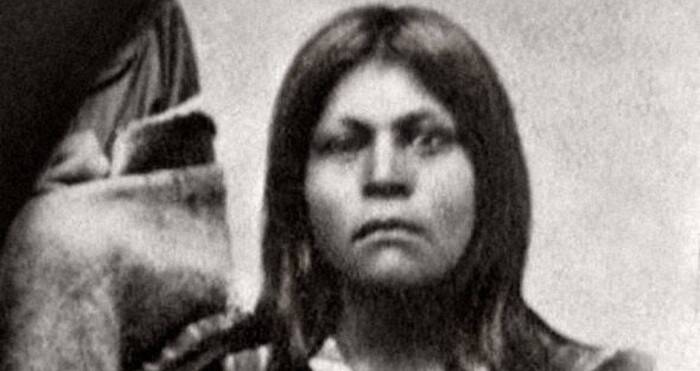
Juana Maria’s story is a captivating glimpse into the resilience and isolation of human existence. Imagine being completely alone for eighteen years, separated from your tribe and all familiar comforts. This was the reality for Juana Maria, a Nicoleño woman who chose to remain on San Nicolas Island long after her people migrated to the mainland in 1835. Her reasons for staying are shrouded in mystery, adding another layer of intrigue to her already fascinating tale.
It wasn’t until 1853 that Juan Maria’s world expanded again when Captain George Nidever and his crew stumbled upon her during a hunting expedition. Their encounter was a remarkable moment – communication through song bridged the gap between cultures, leading to an invitation for Juana Maria to join them back to Santa Barbara. This marked the beginning of a new chapter in her life, one that sadly proved to be brief.
Juana Maria’s arrival in Santa Barbara marked a significant turning point in her life, but it was also the start of her tragic end. Despite being welcomed into Captain Nidever’s family and experiencing a semblance of normalcy again, she succumbed to dysentery just seven weeks later. This untimely demise, likely caused by exposure to unfamiliar diseases, serves as a poignant reminder of the fragility of human life, particularly when uprooted from familiar surroundings. The circumstances surrounding how did Juana Maria die remain a source of reflection on the challenges faced by individuals like her who were caught between two worlds – past and present.
Life in Isolation
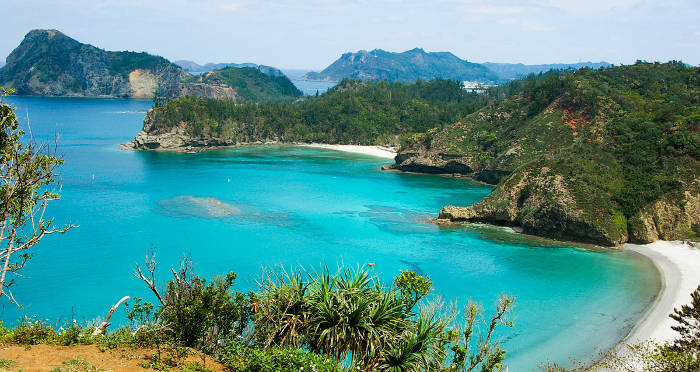
Living on San Nicolas Island for 18 years demanded immense strength and resourcefulness. Juana Maria had to learn to survive in a harsh environment, relying on her knowledge of the land and its bounty. She likely hunted small animals, gathered edible plants, and sought shelter from the elements. Imagine the solitude she must have experienced – the constant sound of waves crashing against the shore, the cries of seabirds overhead, and the quiet rustle of wind through the sparse vegetation. Her world was incredibly limited, yet somehow, she thrived.
What fueled her spirit during those long years of isolation? We can only speculate, but it’s likely that a deep connection to her ancestral land sustained her. Perhaps she found solace in rituals passed down through generations, or in singing songs that echoed the stories of her people. She might have even crafted tools and shelters from natural materials, finding creative ways to adapt to her surroundings.
It’s important to remember that Juana Maria wasn’t simply surviving; she was living a full life within the confines of her reality. She endured hardship with remarkable resilience. This period of juana maria cause of death shaped her into a symbol of human adaptability and the enduring power of the human spirit.
Encounter With Captain Nidever
In 1853, the tranquility of Juana Maria’s solitary existence on San Nicolas Island was shattered by an unexpected encounter. Captain George Nidever and his crew stumbled upon her during a hunting expedition. Imagine the surprise – two worlds colliding in this remote corner of California! This chance meeting marked a turning point in both their lives.
Nidever’s men initially approached cautiously, unsure how Juana Maria would react. But she didn’t shy away. She communicated with them through song, her voice carrying across the wind. It was a language they couldn’t understand, yet it conveyed her warmth and willingness to connect. Nidever described her offering wild onions – a gesture of hospitality that bridged the cultural divide. This moment of shared understanding set the stage for an extraordinary bond to form between them.
The crew invited her to join them as they returned to Santa Barbara, and Juana Maria agreed. Leaving behind the only home she had known for so long must have been a difficult decision, but perhaps she sensed an opportunity for connection and a new chapter in her life. Little did she know that this journey would ultimately lead her to a tragic end.
 What Happens When You Get Your Fingerprints Scanned
Return To Santa Barbara
Santa Barbara, with its bustling harbor and Spanish colonial architecture, must have seemed like a completely different world to Juana Maria. After 18 years on the isolated San Nicolas Island, she was now surrounded by people, noise, and unfamiliar sights and smells. The transition wouldn’t have been easy. Imagine stepping out of your solitary life into a vibrant community full of activity. It’s likely she felt overwhelmed at times, struggling to adapt to this new reality.
Captain Nidever, recognizing her vulnerability, welcomed Juana Maria into his family home. She was given food, shelter, and clothing – basic necessities that she had likely taken for granted on the island. It’s heartwarming to think of her being embraced by a kind family who wanted to help her acclimate to this new environment.
However, despite the kindness shown to her, Juana Maria’s time in Santa Barbara was tragically short-lived. Just seven weeks after arriving, she succumbed to dysentery – a disease that ravaged susceptible populations during that era. Though her stay was brief, it marked a poignant moment in her life story. This final chapter underscores the vulnerability of individuals caught between worlds and the fragility of life itself.
Death and Legacy
Juana Maria’s death in Santa Barbara at such a young age was a tragedy. Though she had found some comfort and connection with the Nidever family, her weakened body succumbed to an illness that ran rampant during those times. Her final days likely brought both sadness and relief as she transitioned from the unfamiliar world of Santa Barbara back to the silent embrace of eternity. It’s hard not to feel a sense of loss for this remarkable woman whose life was marked by both resilience and sorrow.
Despite her short lifespan, Juana Maria’s story continues to resonate deeply with people around the world. Her legacy lies in reminding us of the human spirit’s ability to endure hardship and adapt to extraordinary circumstances. She serves as a symbol of cultural preservation, representing the last known speaker of the Nicoleño language, a testament to the richness and fragility of Indigenous cultures.
Juana Maria’s tale has inspired countless works of art, literature, and film, most notably Scott O’Dell’s novel “Island of the Blue Dolphins,” which brought her story to life for generations of readers. Her impact on popular culture is undeniable, ensuring that her memory lives on as a beacon of human connection and resilience in the face of adversity.
Unveiling the Past
Today, archaeologists and anthropologists continue to piece together the story of Juana Maria’s life. They excavate sites on San Nicolas Island, searching for artifacts that shed light on her daily existence and the traditions of the Nicoleño people. Each discovery – a tool, a fragment of pottery, or even traces of ancient plant remains – offers a glimpse into a vanished world, helping us understand the challenges and triumphs she faced during her 18 years in isolation.
Beyond physical artifacts, researchers also delve into historical documents, oral histories passed down through generations, and linguistic analyses to gain a deeper understanding of Juana Maria’s culture and language. Her story serves as a powerful reminder of the importance of preserving Indigenous heritage and honoring the voices of those who have often been overlooked in the annals of history.
Through these ongoing efforts to unveil the past, we strive to create a more complete picture of Juana Maria – not just as a figure of historical intrigue, but as a complex individual whose life offers valuable lessons about resilience, adaptation, and the enduring power of human connection.