
Let’s talk about one of the most enduring and chilling fairy tales ever told: Hansel and Gretel. You’ve probably heard the story before – two young children lost in the woods, a gingerbread house that’s more trap than treat, and a wicked stepmother who wants them gone for good. But did you know that this tale has roots in something far darker?
It’s true! The story of Hansel and Gretel, while popular across generations, wasn’t originally spun from whimsy and make-believe. It draws inspiration from the very real horrors of the Great Famine of 1314-1322. Imagine a Europe ravaged by crop failures, where families struggled to survive, let alone feed their children. During those desperate times, stories say that some parents resorted to unthinkable measures, abandoning or even resorting to cannibalism to cope with the relentless hunger.
These tragic events sadly became part of folklore and passed down through generations. It’s believed that these real-life Hansel and Gretel experiences formed the basis for the story we know today. The tale serves as a chilling reminder of the lengths people will go to in times of extreme hardship, and the power of storytelling to capture both the innocence and the darkness of human nature.
The Great Famine and Its Horrific Legacy
The Great Famine of 1314-1322 was a period of immense suffering that swept across Europe, leaving a devastating legacy on countless lives. Think about it: for several years, crops failed repeatedly, leading to widespread food shortages and starvation. Prices skyrocketed, making basic necessities unaffordable for most people. Villages were depopulated as families migrated in search of food, often resorting to desperate measures just to survive.
Imagine the terror and desperation that gripped communities during those years. People faced unimaginable choices – selling their possessions, begging on the streets, or even turning to cannibalism to feed themselves and their families. The famine claimed millions of lives, leaving a deep scar on European history. This period of hardship wasn’t just about hunger; it was a time of social upheaval, economic collapse, and widespread despair. It’s hard to comprehend the scale of suffering that took place, but understanding it helps us grasp the real-life context behind the Great Famine and its impact on stories like Hansel and Gretel.
This wasn’t just a distant historical event; it was a catalyst for change, shaping societal norms, religious beliefs, and even the way people told stories. The famine cast a long shadow over Europe, serving as a stark reminder of human vulnerability in the face of natural disasters and economic instability.
Origins of the Hansel and Gretel Tale
Now, let’s delve into how this terrifying historical context shaped the story we know as Hansel and Gretel. It’s believed that the tale originated from various oral traditions passed down through generations in early Germany. These stories likely emerged from the collective experience of surviving the Great Famine and other hardships faced by rural communities.
Imagine these tales being shared around hearths, whispered under starlight, serving as warnings about the dangers lurking beyond familiar fields, and cautionary reminders about the potential for cruelty even within families. The story likely evolved over time, incorporating elements from broader folklore and mythology surrounding children lost in the woods, wicked witches, and magical creatures. It’s fascinating to think that the Hansel and Gretel tale we know today is a distillation of centuries-old fears and anxieties, shaped by real historical events and cultural beliefs.
The Brothers Grimm, those famous collectors of fairy tales, played a crucial role in solidifying the story as we know it. Their versions, published in the early 19th century, captured the public’s imagination with their dark imagery and unsettling themes. Their work helped to immortalize Hansel and Gretel, ensuring that the tale would continue to be told and retold for generations to come.
The Brothers Grimm’s Influence and Evolution
The Brothers Grimm, Jacob and Wilhelm, were like literary detectives who unearthed these hidden gems of folklore and gave them a new life on the page. They travelled throughout Germany collecting and documenting traditional tales, often passed down orally through generations. They meticulously recorded these stories, paying attention to details and variations, and then published their collections, which became instant successes.
Think about it: before the Brothers Grimm, most fairy tales existed only as fleeting whispers in villages and around campfires. They brought these stories into the light, making them accessible to a wider audience. Their versions of Hansel and Gretel, though captivating, were initially quite dark and graphic, reflecting the harsher realities of the time. Over time, their work evolved, becoming more palatable for children through softened portrayals and toned-down violence. They essentially helped shape the fairy tale genre as we know it today.
Their impact on literature is undeniable. They took these raw, often unsettling stories and gave them a structure and polish that made them both enduring and universally appealing. And while their early versions of Hansel and Gretel might be considered quite chilling by modern standards, they paved the way for countless adaptations and interpretations that continue to fascinate and enthrall readers of all ages.
Modern Interpretations: From Sanitized to Sinister
Fast forward to today, and Hansel and Gretel continues to captivate audiences in fresh and exciting ways. We’ve moved beyond the simple fairy tale format, with modern interpretations exploring different facets of the story. There are sanitized versions for younger readers, emphasizing themes of courage and resilience while toning down the darker elements.
But there are also much darker, more complex adaptations that delve deeper into the psychological depths of the characters and their experiences. These versions often reimagine the story as a commentary on societal issues like abuse, trauma, and the dangers of unchecked power. They remind us that even seemingly simple fairy tales can offer profound insights into the human condition.
Some modern interpretations even blur the lines between fantasy and reality, drawing inspiration from real-life Hansel and Gretel cases or exploring historical events that might have inspired the original tale. These adaptations show us that the story continues to resonate with audiences because it taps into universal fears and anxieties about childhood vulnerability, societal darkness, and the struggle for survival against all odds.
Survival in Times of Hardship
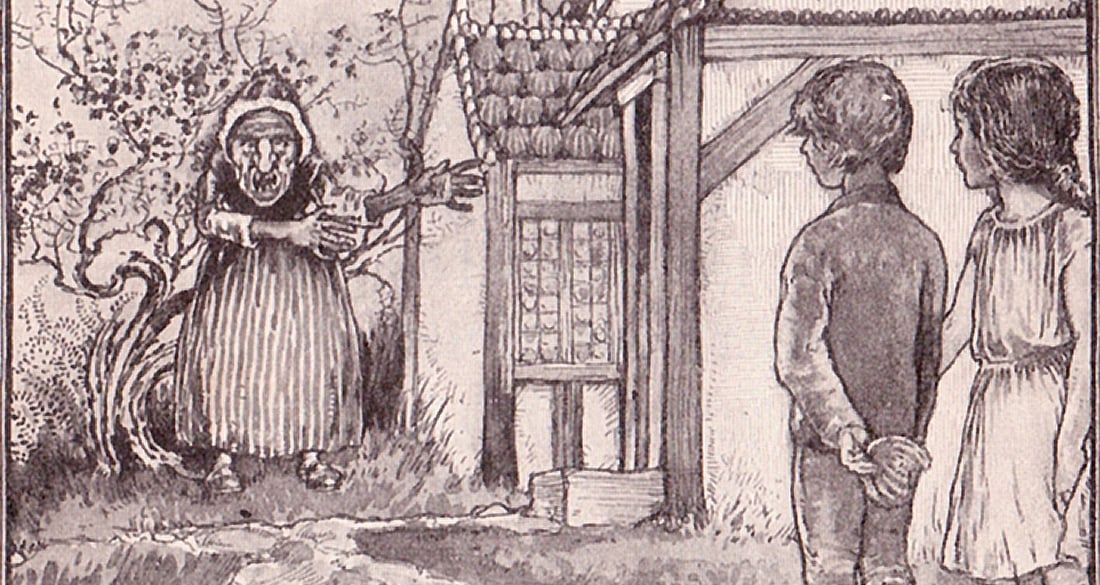
At its heart, the story of Hansel and Gretel is about survival in times of unimaginable hardship. The children are abandoned by their own parents, forced to navigate a dangerous forest, and ultimately face off against a terrifying witch who wants to make them her meal. They have to rely on their wits, courage, and resourcefulness just to stay alive.
It’s easy to dismiss the story as a simple fairy tale, but it speaks to a deeper human experience: our instinct to persevere even in the face of overwhelming odds. Hansel and Gretel remind us that sometimes survival requires making difficult choices, trusting our instincts, and finding strength within ourselves when all seems lost.
Their journey is a testament to the resilience of the human spirit, showing us that even in the darkest moments, hope can endure. The story’s enduring popularity might be because it taps into that universal longing for survival, offering a glimpse of triumph over adversity that resonates with readers across generations.