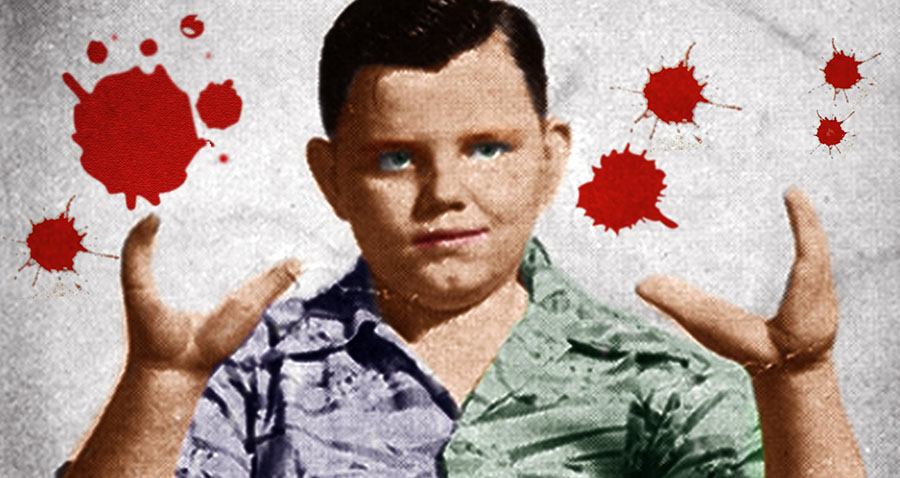
Grady Stiles Jr., better known as Lobster Boy, was a man who lived a life both extraordinary and tragic. Born with ectrodactyly, a rare condition that gave his hands and feet the appearance of lobster claws, Stiles’ physical uniqueness thrust him into the spotlight from a young age. He joined his family’s circus, The Lobster Family, where he performed alongside relatives who shared his unusual trait, captivating audiences with their uncanny resemblance to crustaceans.
However, despite early success in the world of entertainment, Stiles’ life took a dark turn. He struggled with alcoholism and was known for bouts of violence and abuse towards his wives and children. His troubled personal life became intertwined with his public persona, casting a shadow over his once-celebrated act. This duality – the allure of the freak show juxtaposed against the harsh realities of Stiles’ personal demons – is what makes his story so compelling and ultimately tragic.
Stiles’ life ended in 1998 when he was murdered by an individual hired by his wife, Maria Teresa. The circumstances surrounding his death revealed a complex web of family dysfunction, resentment, and desperation. The case sent shockwaves through the community and brought to light the dark underbelly of fame, even within the seemingly fantastical world of the circus.
Lobster Boy: A Life in the Circus
Life as Lobster Boy wasn’t all glitz and glamour. While performing in The Lobster Family circus offered him a platform for fame and recognition, it also came with its own set of challenges. Traveling from town to town, living out of trunks, and constantly being on display took its toll on Stiles. Despite the novelty of his act, audiences often gawked and pointed, forcing him to confront stares that could be both curious and cruel. The constant pressure to entertain and live up to expectations likely added to his internal struggles.
Yet, there were moments of joy and camaraderie within the circus world. Stiles shared a unique bond with his family members who also had ectrodactyly. They understood each other’s challenges and celebrated their individuality together. Stories tell of how they supported each other through thick and thin, forming a tight-knit community amidst the chaos of the traveling life. It’s within those shared experiences that we glimpse a side of Stiles that was more than just a spectacle – a man who found solace and kinship in his unusual family.
His early years performing might have given him a sense of belonging and purpose, but as he grew older, the confines of the circus act seemed to increasingly restrict him, contributing to his growing discontentment with life.
From Stage to Violence: The Dark Side of Grady Stiles Jr
While the circus world initially offered Stiles a sense of acceptance and belonging, his personal life spiraled into darkness. Alcoholism became a constant companion, fueling his anger and aggression. His relationships were marked by violence and abuse, particularly towards his wives and children. He was known to lash out unpredictably, leaving a trail of broken hearts and shattered lives in his wake. This pattern of destructive behavior painted a stark contrast to the public persona he carefully crafted as Lobster Boy.
The darker side of Stiles’ personality seeped into every aspect of his life. His temper flared easily, and he struggled to control his impulses. He often resorted to physical violence to resolve conflicts, leaving those around him fearful and vulnerable. This escalating pattern of abuse culminated in a tragic incident where Stiles murdered his daughter’s fiancé after disapproving of the relationship. Despite being convicted of manslaughter, he served only probation due to legal loopholes that acknowledged his disability as mitigating factor.
This act of violence highlighted a dangerous reality: Stiles’ physical condition not only defined his public image but also seemed to shape his perception of himself and the world around him. It was a tragic reminder that beneath the surface of the spectacle lay a deeply troubled individual struggling with inner demons he was unable to control.
 What Happens When You Get Your Fingerprints Scanned
A Twisted Family Legacy
The story of Grady Stiles Jr. is inextricably linked to his family, the Lobster Family. They shared a unique genetic condition that brought them together on stage but also cast an enduring shadow over their lives. While they presented a united front to the world, beneath the surface lay complex relationships fueled by jealousy, resentment, and the constant pressure of living in the public eye. The circus became both a sanctuary and a crucible for them, forging a bond that was as strong as it was complicated.
Maria Teresa, Stiles’ wife, played a pivotal role in this tragic narrative. Driven by her own grievances and frustrations, she orchestrated Stiles’ assassination in 1998, enlisting the help of Chris Wyant, a hitman. Her actions exposed a dark undercurrent within the family: a simmering cauldron of secrets, betrayals, and unaddressed pain that ultimately boiled over. Maria Teresa’s son, Glenn, was also implicated in the plot, revealing a disturbing truth about the lengths to which these individuals would go to protect their own interests.
The case shattered the illusion of unity presented by the Lobster Family, exposing the complex web of relationships and motivations that lay beneath the surface. The tragedy serves as a stark reminder that even within families united by shared experiences, darkness can fester and ultimately consume them.
Murder Most Foul: The Death of Grady Stiles Jr
On the night of March 14th, 1998, Grady Stiles Jr.’s life was brutally cut short. Chris Wyant, a hired assassin, entered Stiles’ home and shot him multiple times. The motive behind the murder lay in a tangled web of family dysfunction and resentment. Maria Teresa, Stiles’ wife, had orchestrated the assassination out of anger and frustration stemming from years of abuse and a tumultuous relationship. Her son Glenn was also involved in the plot, adding another layer of complexity to this already tragic tale.
The execution of the plan was chillingly efficient, leaving no room for Stiles to defend himself or plead for mercy. This brutal act ended the life of a man who had always lived under the scrutiny of the public eye, but it also plunged his family into a vortex of legal repercussions and emotional turmoil. Maria Teresa’s conviction for first-degree murder and Glenn’s sentence of life imprisonment highlighted the devastating consequences of their actions and served as a stark reminder that even within families, darkness can prevail.
The death of Grady Stiles Jr. marked a tragic end to a life marked by both spectacle and pain. His story serves as a cautionary tale about the dangers of unchecked anger, the destructive nature of abuse, and the devastating impact that unresolved family issues can have on individuals and their loved ones.
Justice Served, But at What Cost?
The trial of Maria Teresa and Glenn Stiles brought a sense of closure to the tragic events surrounding Grady’s death. Maria Teresa was sentenced to 12 years for first-degree murder, while Glenn received life in prison for his role in the plot. Chris Wyant, the hired assassin, received a 27-year sentence for second-degree murder. While justice was seemingly served, the real question remains: at what cost?
The legal proceedings exposed the dark underbelly of a family torn apart by secrets, lies, and violence. It brought to light the deep psychological wounds that had festered within their relationships for years, leaving behind a trail of shattered lives and broken trust. Even though those responsible were held accountable for their actions, it could not erase the pain and suffering inflicted upon Grady Stiles Jr. and his loved ones.
The case serves as a haunting reminder that justice, while essential, cannot always fully heal the wounds left by tragedy. The scars of this family’s story will likely linger long after the legal battles have ended, reminding us that sometimes, even when wrongdoers are punished, the true cost of their actions extends far beyond the courtroom.