
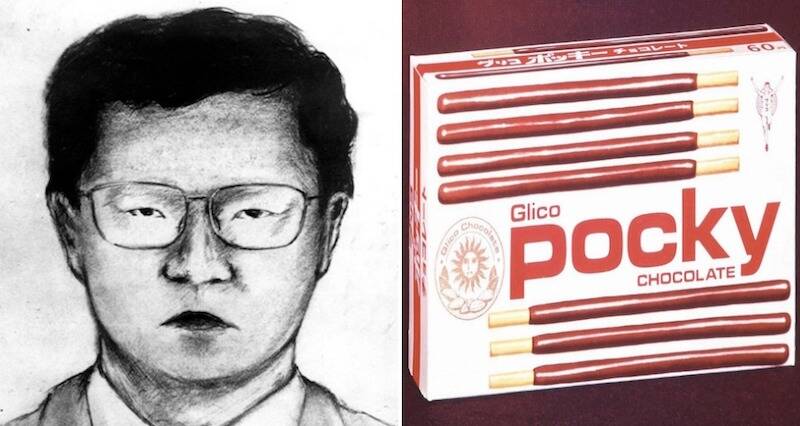
The 1980s in Japan were a time of economic prosperity and cultural innovation. However, this seemingly idyllic era was punctuated by a chilling mystery that gripped the nation: the Glico Morinaga case. This bizarre saga involved a shadowy group calling themselves “The Monster With 21 Faces“, who terrorized two of Japan’s most beloved candy companies – Ezaki Glico and Morinaga. Their actions, ranging from kidnappings to bomb threats, sent shockwaves through Japanese society and left investigators baffled for years.
This case remains one of Japan’s most intriguing cold cases, a chilling reminder that even in the heart of progress, darkness can lurk. The group’s audacious tactics, cryptic messages, and eventual disappearance continue to fuel speculation and debate. What motivated these individuals? Who were they, and what became of them after their sudden silence? Exploring this complex case allows us to delve into the psychology of fear, the intricacies of criminal investigation, and the enduring power of unsolved mysteries.
The Monster With 21 Faces: A Japanese Terror
The name “Monster With 21 Faces” strikes fear into the hearts of many who remember this period in Japanese history. This chilling moniker reflected the group’s unsettling anonymity and their seemingly boundless ability to operate with impunity. Their letters to both Glico and Morinaga were filled with taunts, threats, and bizarre demands – a mix of arrogance and psychological manipulation that added fuel to the growing panic. The public was left on edge, questioning who could be behind such brazen acts of terror.
Beyond their cryptic communications, the group’s actions were designed to inflict maximum damage. Kidnappings of key executives from both companies became their calling card, with ransom demands adding a layer of financial extortion to their campaign. They even claimed to have laced candy with cyanide, prompting mass recalls and a wave of fear among consumers. The image of children enjoying seemingly harmless treats, now tainted by the potential for deadly consequences, was a potent psychological weapon wielded by this elusive force.
Kidnappings, Ransom Demands, and Cyanide Threats
The kidnappings orchestrated by The Monster With 21 Faces were chillingly calculated. They targeted high-ranking executives from both Glico and Morinaga, holding them captive in undisclosed locations and demanding exorbitant ransoms for their release. Each kidnapping sent shockwaves through the victim’s family, friends, and colleagues, highlighting the group’s willingness to exploit personal connections for their own twisted gain. The fear generated by these acts of violence cast a long shadow over the Japanese candy industry, leaving a sense of vulnerability in its wake.
Adding another layer of terror to their campaign were the cyanide threats. The group claimed to have laced popular candies with this deadly poison, prompting widespread panic among consumers and forcing both Glico and Morinaga to recall millions of products. This chilling tactic sowed doubt and mistrust, turning a beloved treat into a potential source of danger. The public was left grappling with the unsettling reality that something so seemingly innocent could be weaponized against them.
Glico’s Battle Against the Unknown
For Ezaki Glico, the leader in Japan’s confectionery market, this crisis presented an unprecedented challenge. Facing not only the direct threats from The Monster With 21 Faces, but also a public losing trust in their products, Glico had to act swiftly and decisively. They implemented stringent safety measures, recalled all affected candies, and worked tirelessly to rebuild consumer confidence. This battle was fought on multiple fronts – legal, public relations, and logistical – requiring every ounce of ingenuity and resilience the company possessed.
Glico’s response demonstrated a commitment to transparency and accountability. They communicated openly with consumers, offering full refunds and assurances that they were doing everything possible to ensure their safety. The company also collaborated closely with law enforcement, providing any information that could aid in identifying and apprehending the perpetrators. This crisis tested Glico’s core values and forced them to adapt swiftly to an evolving situation, ultimately shaping their future approach to crisis management.
Investigating a Phantom: Police Efforts and Dead Ends
The Japanese police launched a massive investigation into the Glico Morinaga case, pouring resources and manpower into tracking down The Monster With 21 Faces. They analyzed countless leads, scrutinized every communication from the group, and followed every possible trail. Investigators even released audio recordings of the group’s ransom demands in an attempt to jog public memory and elicit further information. The sheer audacity of these crimes presented a unique challenge for law enforcement, who were accustomed to dealing with more conventional criminal activity.
 What Happens When You Get Your Fingerprints Scanned
Despite their best efforts, the investigation hit numerous dead ends. The group seemed to operate with meticulous planning and precision, leaving behind few traces or clues that could lead to their identities. They used burner phones, avoided electronic communication, and carefully crafted their messages to mislead investigators. The lack of concrete evidence frustrated the police and fueled public speculation about the group’s motives and connections. Was there an internal conspiracy at play within the candy industry? Were these crimes driven by political motivations or a desire for sheer chaos?
The Case Remains Unsolved
As August 1985 arrived, the group’s activities abruptly ceased. The kidnappings stopped, the threats quieted, and the cryptic messages vanished into thin air. The public was left with a mixture of relief and bewilderment – had they simply disappeared or were they biding their time? Despite the sudden silence, the case remained unsolved. No arrests were ever made, no concrete leads materialized, and the true identities of The Monster With 21 Faces remain shrouded in mystery to this day.
The Glico Morinaga case became a chilling reminder that even in a technologically advanced nation like Japan, some crimes can evade capture. It left behind a legacy of unanswered questions, fueling speculation and intrigue for generations to come. Some believe the group disbanded, their members fading back into anonymity. Others theorize they were simply too clever for law enforcement, leaving behind a masterpiece of deception that will forever remain unsolved. The case continues to be studied by criminologists and amateur sleuths alike, a testament to its enduring power as one of Japan’s most perplexing cold cases.