
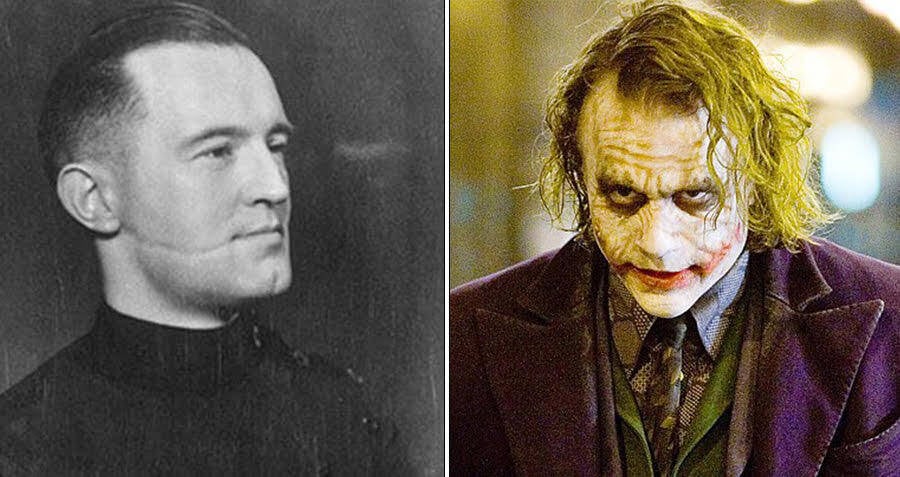
The term “Glasgow smile” evokes a chilling image: a grotesque carving across the face, stretching from one corner of the mouth to the ear. This horrific practice, while often associated with the infamous razor gangs of 20th-century Glasgow, has a disturbing history that stretches beyond its Scottish roots. From ancient tribal rituals to modern acts of violence, the desire to inflict pain and terror through facial mutilation has unfortunately persisted throughout human history.
The Glasgow smile scars are a stark reminder of the dark underbelly of society, where violence serves as a means of control, dominance, and retribution. While the practice originated in Glasgow’s turbulent underworld, its impact extends far beyond the city limits. Politicians, serial killers, even victims caught in the crossfire of gang warfare – all have been subjected to this brutal symbol of fear.
Understanding the history of the Glasgow smile real requires delving into the complex social and historical contexts that gave rise to it. We’ll explore the roots of these practices in Glasgow’s 20th-century gangs, examine how they spread through different cultures and time periods, and analyze the psychological impact of such violence on both victims and perpetrators. It’s a journey into the darkest corners of human behavior, a exploration that demands both sensitivity and critical analysis.
Razor Gangs and Victorian Violence
The rise of the razor gangs in Glasgow during the early 20th century can be traced back to a confluence of factors: poverty, rapid urbanization, and social unrest. These groups, often operating under religious or political affiliations, sought control over the city’s slums, engaging in turf wars fueled by violence and intimidation. The Glasgow smile, with its deliberately grotesque appearance, became their signature mark, instilling terror among rivals and civilians alike.
Life in Glasgow at this time was harsh and unforgiving. Poverty was widespread, unemployment rampant, and social services inadequate. This created a breeding ground for resentment and gang violence. The razor gangs exploited these conditions, preying on the vulnerable and enforcing their own brutal code of conduct. Their use of razors – readily available and capable of inflicting deep, disfiguring wounds – added another layer to their reign of terror.
The Glasgow smile wasn’t just about inflicting pain; it was a statement. It served as a chilling warning to potential rivals and a mark of dominance over the city’s underworld. This practice became deeply ingrained in Glasgow’s criminal culture, shaping its image and fueling a cycle of violence that would continue for decades to come.
The Glasgow Smile as a Mark of Terror
Beyond its physical brutality, the Glasgow smile carried a profound psychological weight. It wasn’t just an injury; it was a deliberate act designed to instill terror and break the spirit of the victim. The very nature of the wound – grotesquely distorting the face, often leaving permanent scars – served as a constant reminder of the violence inflicted.
The impact extended far beyond the immediate victim. News of these brutal attacks spread fear throughout communities, creating an atmosphere of anxiety and mistrust. People lived in constant apprehension, knowing that they could become targets at any moment. The Glasgow smile became a symbol of powerlessness and vulnerability, highlighting the fragility of safety and security in the face of unchecked violence.
The glasgow smile scars, visible reminders of this terror, often served as social stigmas, isolating victims from their communities and leaving lasting psychological scars. This practice demonstrated the deliberate use of violence not just for physical harm but also for psychological manipulation and control. It was a chilling testament to the depths of human cruelty and its enduring impact on individuals and societies alike.
Beyond Criminal Circles: Notable Victims
While most commonly associated with Glasgow’s underworld, the practice of inflicting the Glasgow smile extended beyond criminal circles. Even those outside the realm of organized crime found themselves targets of this horrific act. Notably, William Joyce, known as Lord Haw-Haw for his pro-Nazi broadcasts during World War II, received the Glasgow smile after an attack while working as security for Conservative Party officials. This illustrates how the brutal practice could be wielded against anyone perceived as a threat or enemy, regardless of their social standing.
The infamous Black Dahlia murder case in Los Angeles also featured this gruesome mutilation. While the perpetrator was never identified, the discovery of Elizabeth Short’s body, her mouth carved into a horrifying smile, sent shockwaves through the nation. This high-profile case brought the Glasgow smile to international attention, showcasing its ability to transcend geographical boundaries and cultural norms.
Even serial killers like Albert Fish incorporated this practice into their gruesome repertoire. His crimes, marked by extreme violence and sadism, included branding a young boy with the Glasgow smile. These cases demonstrate how individuals driven by dark impulses could utilize this particular method of torture as a means to express their depravity and inflict unimaginable suffering on their victims.
Modern Echoes of a Gruesome Tradition
Despite its historical roots in Glasgow’s past, the practice of inflicting the glasgow smile hasn’t disappeared entirely. Although less prevalent than in the 20th century, it continues to surface in modern times, albeit often within different contexts. Groups like the Chelsea Headhunters, known for their violent clashes at soccer matches, adopted the Glasgow smile as their trademark, co-opting it into a symbol of their own brand of aggression. This demonstrates how cultural trends and subcultures can perpetuate violent practices from the past, adapting them to their own narratives and ideologies.
The grim reality is that instances of the Glasgow smile continue to occur in present-day Glasgow, with an estimated victim being subjected to this horrific injury every six hours. This statistic highlights the enduring legacy of violence within certain communities and the complex social factors that contribute to its perpetuation. While efforts are made to combat these practices through law enforcement, social programs, and community initiatives, the Glasgow smile remains a chilling reminder of the cyclical nature of violence and the challenges in breaking free from its grip.
Despite its horrific nature, understanding the history of the Glasgow smile offers valuable insights into the dark side of human behavior and the complex interplay between societal forces, individual motivations, and cultural legacies. It serves as a stark warning about the enduring consequences of unchecked violence and the importance of addressing root causes to prevent such tragedies from recurring.
Scars in the City
The scars left by the Glasgow smile run deep, not just on the physical bodies of its victims but also on the very fabric of the city. Glasgow’s history is interwoven with tales of violence and retribution, shaping its identity and leaving an indelible mark on its people. While the city has undergone significant transformation in recent decades, striving to shed its image as a hotbed of crime and brutality, the legacy of the glasgow smile serves as a constant reminder of its past struggles.
Walking through Glasgow’s streets today, one can sense a palpable tension, a weight carried by generations who have witnessed firsthand the consequences of unchecked violence. The city grapples with its history, striving to reconcile its dark past with its present aspirations for peace and progress. This struggle is evident in the numerous community initiatives aimed at addressing social inequalities, promoting reconciliation, and fostering a culture of non-violence.
Despite these efforts, the scars remain, etched into the collective memory of Glasgow’s people. They serve as a potent reminder of the human cost of violence and the enduring need for compassion, understanding, and a steadfast commitment to building a more just and peaceful society. The city continues to navigate its complex past, striving to heal from its wounds while recognizing the importance of learning from its history to create a brighter future.