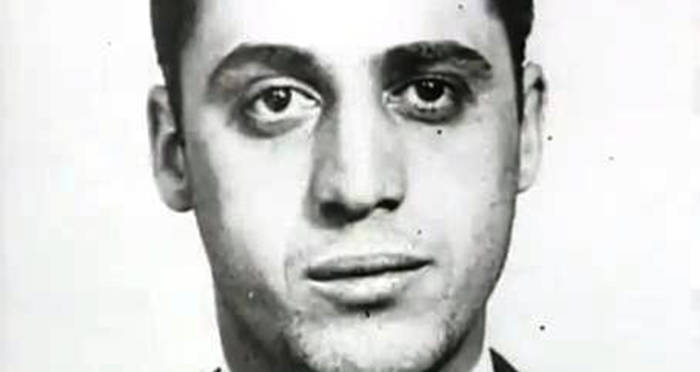
The name “Capone” evokes images of a bygone era, a time when Chicago was ruled by gangsters and the roar of speakeasies could be heard on every corner. Frank Capone, brother to the notorious Al Capone, was one such figure who carved his own path in that underworld, albeit not as grandly as his sibling. He lived a life steeped in violence and power plays, mirroring the chaotic energy of Prohibition-era Chicago.
While Al Capone became synonymous with ruthlessness through calculated control and manipulation, Frank’s methods were allegedly more direct – favoring brute force over cunning. Think of it like this: Al was the chess player, carefully strategizing every move; Frank, on the other hand, was a poker player, betting big and relying on his instincts. This difference in approach is perhaps reflected in their respective legacies – Al became a symbol of organized crime’s sophistication, while Frank’s story remains a cautionary tale of ambition gone awry.
Sadly, Frank Capone died at the young age of 28, his life cut short by a bullet fired by Chicago police during a confrontation. This violent end marked the tragic conclusion to a life lived on the edge, leaving behind a legacy that was both fascinating and ultimately tragic.
Frank Capone’s Rise in Chicago
Frank Capone’s journey to power mirrored the tumultuous rise of organized crime in Chicago during Prohibition. Just like his brother Al, he followed Johnny Torrio’s lead, migrating from New York to Chicago and finding a foothold within the South Side Gang. The allure of easy money was undeniable – bootlegging alcohol became a lucrative business, and the Capones quickly learned how to exploit the chaos and demand created by Prohibition.
Picture Chicago in the 1920s – speakeasies bustling with thirsty patrons, police turning a blind eye for a cut of the profits, and rival gangs vying for control. It was a powder keg waiting to explode, and Frank Capone was eager to seize his share. He wasn’t content with just participating in the system; he craved power and recognition. His ambition led him down a dangerous path, one paved with violence and manipulation.
His attempt to take over Cicero, a suburb of Chicago, in 1924 was a pivotal moment. He orchestrated voter intimidation and ballot stuffing, aiming to install his own puppets in government positions. This audacious move backfired spectacularly when he was fatally shot by Chicago police while confronting them during the chaos. His death at the age of 28 shocked the criminal underworld, how did Frank Capone die becoming a legend whispered in hushed tones throughout its ranks.
Comparing Methods: Violence vs Manipulation
The Capone brothers, despite sharing a last name and a life immersed in Chicago’s underworld, took distinct approaches to power. While Al Capone crafted his empire through calculated control and manipulation, Frank was known for a more direct approach—violence being his preferred tool. It’s like comparing two sides of the same coin: one smooth and polished, the other rough and jagged.
Al was a master strategist, weaving intricate webs of influence and alliances. He understood the power of negotiation, intimidation, and playing rivals against each other. Think of him as a chess player, always several moves ahead, anticipating his opponent’s every move. Frank, on the other hand, favored brute force. He didn’t hesitate to use violence to silence dissent or eliminate threats. His methods were less about intricacy and more about raw power, making a statement with every bullet fired.
This difference in tactics shaped their legacies. Al became a symbol of organized crime’s sophistication, his name synonymous with cunning and strategic brilliance. Frank’s story, however, is a cautionary tale—a reminder that unchecked ambition and reliance on violence can lead to a brutal end. The tragic irony is that how did Frank Capone die by the very weapon he wielded so readily.
 Frank Gotti Death: Cause, Disappearance & Unsolved Mystery
The Cicero Election and Its Violent Aftermath
The Cicero election of 1924 stands as a pivotal moment in Frank Capone’s life, revealing his ambition and the lengths he was willing to go to achieve power. Cicero, a suburb just outside Chicago, became the target of his sights. He envisioned himself controlling the town, manipulating its government to serve his own interests. It wasn’t enough for him to simply prosper within the existing criminal network; he wanted control— absolute and unquestioned.
Frank orchestrated a plan of voter intimidation and ballot stuffing, aiming to install his own puppets in key positions. The election itself became a chaotic battleground, with violence erupting on both sides. Imagine the streets of Cicero during that time – fear gripping residents as armed thugs roamed, casting ballots under threat or forcing their way into polling stations. This blatant disregard for democratic processes ultimately backfired spectacularly.
Frank’s recklessness caught up to him when he was fatally shot by Chicago police while confronting them during a confrontation. He died at the age of 28, leaving behind a legacy forever stained by that violent election. How did Frank Capone die? By an act directly linked to his own ambition and ruthless methods. The Cicero election served as a stark reminder that power gained through violence can be just as easily lost in bloodshed.
Frank Capone’s Fatal Encounter with Police
The tragic climax of Frank Capone’s life unfolded on a fateful afternoon in 1924, during a tense confrontation with Chicago police. Imagine the scene: sirens wailing, bullets flying, and chaos engulfing the streets of Cicero. This wasn’t just another routine encounter; it was a culmination of months of escalating violence surrounding the botched election that Frank had orchestrated.
He found himself cornered by police officers who had been investigating his activities in Cicero. The situation quickly escalated, with both sides accusing the other of aggression. Accounts differ on exactly what transpired, but one thing remains clear: Frank chose to face the authorities head-on, perhaps believing he could still intimidate them or escape justice. In a split second, a single bullet pierced through him, ending his life at the age of 28.
How did Frank Capone die? By a bullet fired by Chicago police while confronting them during that chaotic afternoon. His death sent shockwaves through the criminal underworld, marking the end of a violent chapter in Chicago’s history and raising questions about the blurred lines between law enforcement and organized crime.
Legacy of a Shadowed Figure
Frank Capone’s legacy remains a complex and intriguing one, forever shrouded in the shadow of his more famous brother, Al. While he never achieved the same level of notoriety, his story offers a glimpse into a darker side of Chicago’s underworld—a world built on violence, ambition, and ruthless pursuit of power.
Despite his relatively short life, Frank left an undeniable mark on the criminal landscape. His attempts to control Cicero and his willingness to use violence to achieve his goals cemented his place as a feared figure within the organized crime circles of his time. But ultimately, his story serves as a cautionary tale—a reminder that unchecked ambition and reliance on brute force can lead to self-destruction. Though he died young, his life was a whirlwind of highs and lows, leaving behind a legacy that continues to fascinate and intrigue historians and true crime enthusiasts alike.
Though
Frank Capone died before Al rose to national prominence, his story serves as a reminder that the roots of organized crime run deep and often begin with individuals driven by ambition, power, and a willingness to operate outside the law. His name may be less widely known, but he remains a pivotal figure in understanding the complex history of Chicago’s underworld.