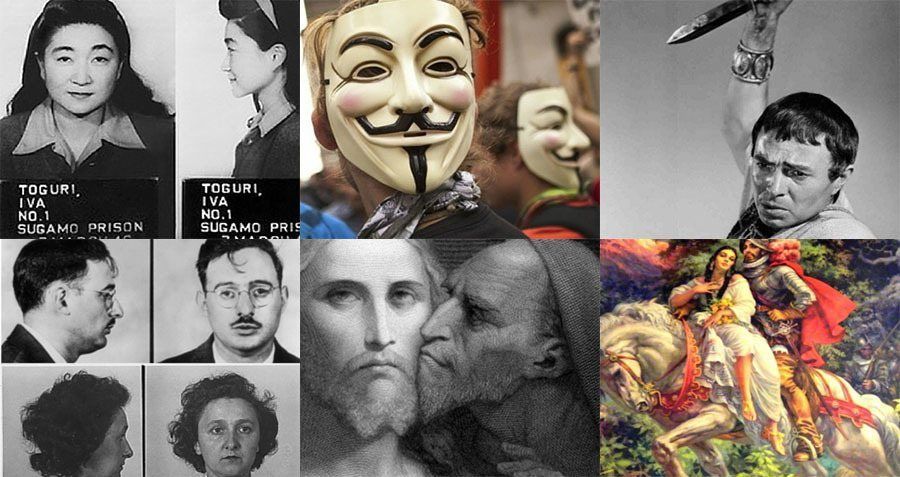
Betrayal is a complex and multifaceted concept that has fascinated humanity for centuries. It strikes at the heart of our relationships, shattering trust and leaving deep wounds. Throughout history, certain acts of betrayal have become etched in our collective memory, serving as cautionary tales about the fragility of loyalty and the devastating consequences of treachery.
This article delves into the fascinating world of famous betrayals, focusing on two iconic figures: Brutus and Judas Iscariot. Both men were known for their close ties to powerful individuals – Caesar and Jesus Christ respectively – but ultimately chose a path of betrayal that irrevocably changed the course of history. Their stories offer a glimpse into the motivations behind acts of treachery, highlighting the complexities of human nature and the enduring power of loyalty versus self-interest.
By examining these historical cases, we aim to understand the lasting impact of betrayal on individuals, societies, and even our own perceptions of trust. While the circumstances surrounding each betrayal are unique, exploring their common threads can offer valuable insights into the timeless struggle between honor and self-preservation, ultimately shedding light on what makes certain acts of treachery so enduringly infamous.
Brutus and the Fall of Caesar
Brutus, a Roman senator and close confidant of Julius Caesar, is perhaps one of the most infamous figures in history when it comes to betrayal. Their relationship was complex, marked by both genuine friendship and political maneuvering. Brutus admired Caesar’s military genius and charisma but grew increasingly concerned about his unchecked ambition. He believed that Caesar’s thirst for power threatened the very foundations of the Roman Republic.
Driven by a sense of duty to Rome and fueled by fears of tyranny, Brutus joined a group of senators plotting against Caesar. On the fateful day of March 15th, 44 BC (known as the Ides of March), Brutus and his co-conspirators assassinated Caesar in the Senate chamber. The act was swift and brutal, with Caesar stabbed to death by multiple daggers. Brutus, believing he was saving his beloved Rome, justified his actions by proclaiming that he had acted for the greater good.
However, history remembers Brutus as a tragic figure caught between loyalty and ambition. His decision to betray Caesar ultimately led to civil war and the demise of the Roman Republic, proving that even the noblest intentions can have devastating consequences. The tale of Brutus serves as a stark reminder that betrayal can be fueled by both genuine belief and personal gain.
Judas Iscariot: The Betrayal of Jesus Christ
Judas Iscariot stands as one of the most enigmatic figures in religious history. As one of Jesus Christ’s twelve apostles, Judas was entrusted with the group’s finances and enjoyed close proximity to the divine teacher. However, his story takes a dark turn when he betrayed Jesus to the religious authorities for thirty pieces of silver.
The betrayal unfolded in Gethsemane, a garden outside Jerusalem. Judas identified Jesus to the soldiers with a kiss, a gesture meant to signal him out from among his disciples. This act led directly to Jesus’ arrest, trial, and ultimately, crucifixion. The reasons behind Judas’ actions remain shrouded in mystery. Some accounts suggest he acted out of greed, motivated solely by the monetary reward. Others propose that he was consumed by despair or disillusionment with Jesus’ teachings.
The story of Judas has been debated and analyzed for centuries. Despite his infamous role as a famous backstabber, some interpretations offer glimpses of remorse and regret. His fate remains uncertain, with various accounts suggesting suicide or accidental death. Regardless of his motivations, Judas’ betrayal serves as a powerful reminder of the complexities of human nature and the profound consequences that can arise from seemingly small acts of treachery.
 Points Gangs: Violence & Poverty in Early NYC
Motivations for Treachery
Uncovering the motivations behind acts of treachery is a complex and often subjective endeavor. While greed and personal gain frequently come to mind, the tapestry of betrayal is woven with diverse threads – ambition, fear, resentment, misguided loyalty, and even ideological differences can all contribute to this act of profound violation.
Brutus’s decision to assassinate Caesar, for instance, stemmed from a belief that saving the Roman Republic outweighed his personal bond with Caesar. He saw himself as a patriot acting in the best interests of Rome, albeit through a ruthless and ultimately tragic means. On the other hand, Judas Iscariot’s motives remain shrouded in ambiguity. Was he driven by avarice, despair, or perhaps a twisted sense of religious fervor? Different interpretations offer varying perspectives on his actions, highlighting the difficulty in definitively attributing such complex acts to a single cause.
Ultimately, understanding motivations behind treachery requires careful consideration of individual circumstances and historical context. It’s a reminder that even seemingly straightforward acts often stem from a tangled web of emotions, beliefs, and personal experiences. The study of betrayal compels us to delve deeper into the human psyche and confront the complexities that can lead individuals down paths of both profound loyalty and devastating treachery.
The Legacy of Infamy
The stories of Brutus and Judas Iscariot have transcended time, etching themselves into the collective consciousness as cautionary tales about the perils of betrayal. Their names have become synonymous with treachery, forever linked to acts that shook the foundations of both ancient Rome and early Christianity.
Despite the vast gulf separating their historical contexts, both figures serve as enduring reminders of the profound impact that betrayal can have on individuals, societies, and even religious doctrines. Their legacies continue to be debated and analyzed, offering timeless insights into the complexities of human nature and the enduring power of these infamous acts. The weight of their infamy ensures that famous backstabbers like Brutus and Judas remain potent symbols in popular culture, literature, and art, serving as cautionary figures for generations to come.
Ultimately, their stories remind us that betrayal is not merely a personal transgression but an act with far-reaching consequences that can ripple through time, shaping our understanding of history, morality, and the enduring human struggle between loyalty and self-interest.
Echoes of Betrayal
The echoes of Brutus and Judas’s betrayals resonate throughout history, finding resonance in countless stories, both real and fictional. From Shakespearean tragedies to modern-day political scandals, the themes of treachery, trust, and the consequences of broken vows continue to captivate audiences.
Literature is replete with examples of betrayal, often serving as a powerful exploration of human nature’s darker side. Think of characters like Macbeth, driven by ambition, or Hester Prynn in “The Scarlet Letter,” whose sin of adultery leads to societal condemnation. These narratives remind us that the act of betrayal, though timeless, manifests in diverse forms, driven by a multitude of motivations and leaving indelible scars on individuals and communities.
Ultimately, the enduring fascination with tales of betrayal speaks to our innate human desire to understand the complexities of relationships, loyalty, and the fragility of trust. From ancient Rome to modern-day society, echoes of Brutus and Judas’s betrayals serve as a reminder that the consequences of broken bonds can reverberate throughout time, shaping individual lives and influencing the course of history.